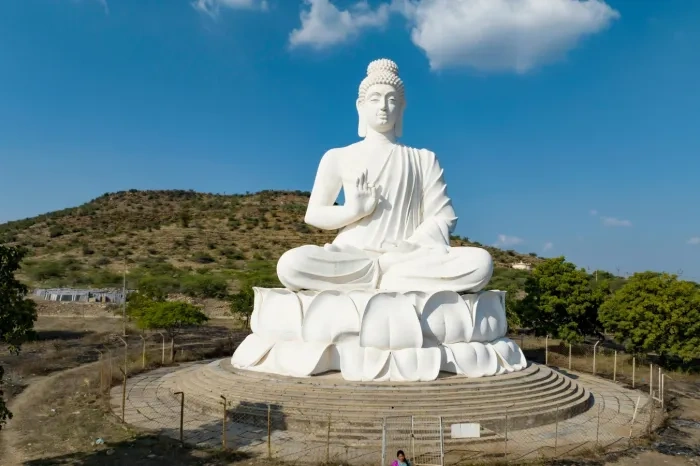
For travelers interested in spirituality, history, and culture, the Buddhist Circuit India French travelers itinerary offers one of the most meaningful journeys in the world. India is the birthplace of Buddhism and home to the sacred sites associated with the life of Siddhartha Gautama, who later became the Buddha.
Every year, pilgrims and cultural travelers from across the globe visit these sacred destinations to deepen their understanding of Buddhism and explore the places where some of the religion's most important events occurred. Whether you are a practicing Buddhist or simply interested in history and spirituality, the Buddhist Circuit provides an unforgettable experience.
What Is the Buddhist Circuit?
The Buddhist Circuit refers to a collection of important pilgrimage sites connected to the life and teachings of Buddha.
These destinations are spread across northern India and include places where Buddha attained enlightenment, delivered his first sermon, performed teachings, and spent his final days.
Many French travelers combine several of these destinations into a single spiritual and cultural journey.
Why Visit the Buddhist Circuit?
The Buddhist Circuit offers much more than religious significance. It provides an opportunity to discover ancient history, remarkable architecture, and living spiritual traditions.
Visitors often describe the journey as peaceful, educational, and deeply inspiring.
Spiritual Experience
Many pilgrims travel to these sacred sites to meditate, reflect, and connect with Buddhist teachings.
Historical Importance
The circuit includes some of the most important archaeological and historical sites in Asia.
Cultural Discovery
Travelers encounter monks, temples, monasteries, and traditions from Buddhist communities around the world.
Bodh Gaya: Where Buddha Attained Enlightenment
Bodh Gaya is the most important destination on the Buddhist Circuit. It was here that Siddhartha Gautama attained enlightenment beneath the Bodhi Tree.
Today, the city attracts pilgrims from every major Buddhist country.
Mahabodhi Temple
The Mahabodhi Temple is a UNESCO World Heritage Site and the spiritual center of Bodh Gaya. Its magnificent architecture and peaceful atmosphere make it one of India's most significant religious monuments.
The Bodhi Tree
The sacred Bodhi Tree symbolizes the place where Buddha achieved enlightenment and remains a focal point for meditation and prayer.
Sarnath: The First Sermon
Located near Varanasi, Sarnath is where Buddha delivered his first sermon after attaining enlightenment. This event marked the beginning of the spread of Buddhist teachings.
Dhamek Stupa
The Dhamek Stupa is one of Sarnath's most recognizable monuments and a major pilgrimage destination.
Sarnath Museum
The museum houses important Buddhist artifacts and sculptures that provide valuable insight into the history of Buddhism in India.
Rajgir: The Land of Buddhist Teachings
Rajgir was one of Buddha's favorite locations and served as an important center for his teachings. Surrounded by hills and natural beauty, the town continues to attract pilgrims and history enthusiasts.
Vulture Peak
This hilltop site is believed to be one of the locations where Buddha delivered many important teachings.
Japanese Peace Pagoda
The modern Peace Pagoda offers panoramic views and a tranquil atmosphere for reflection.
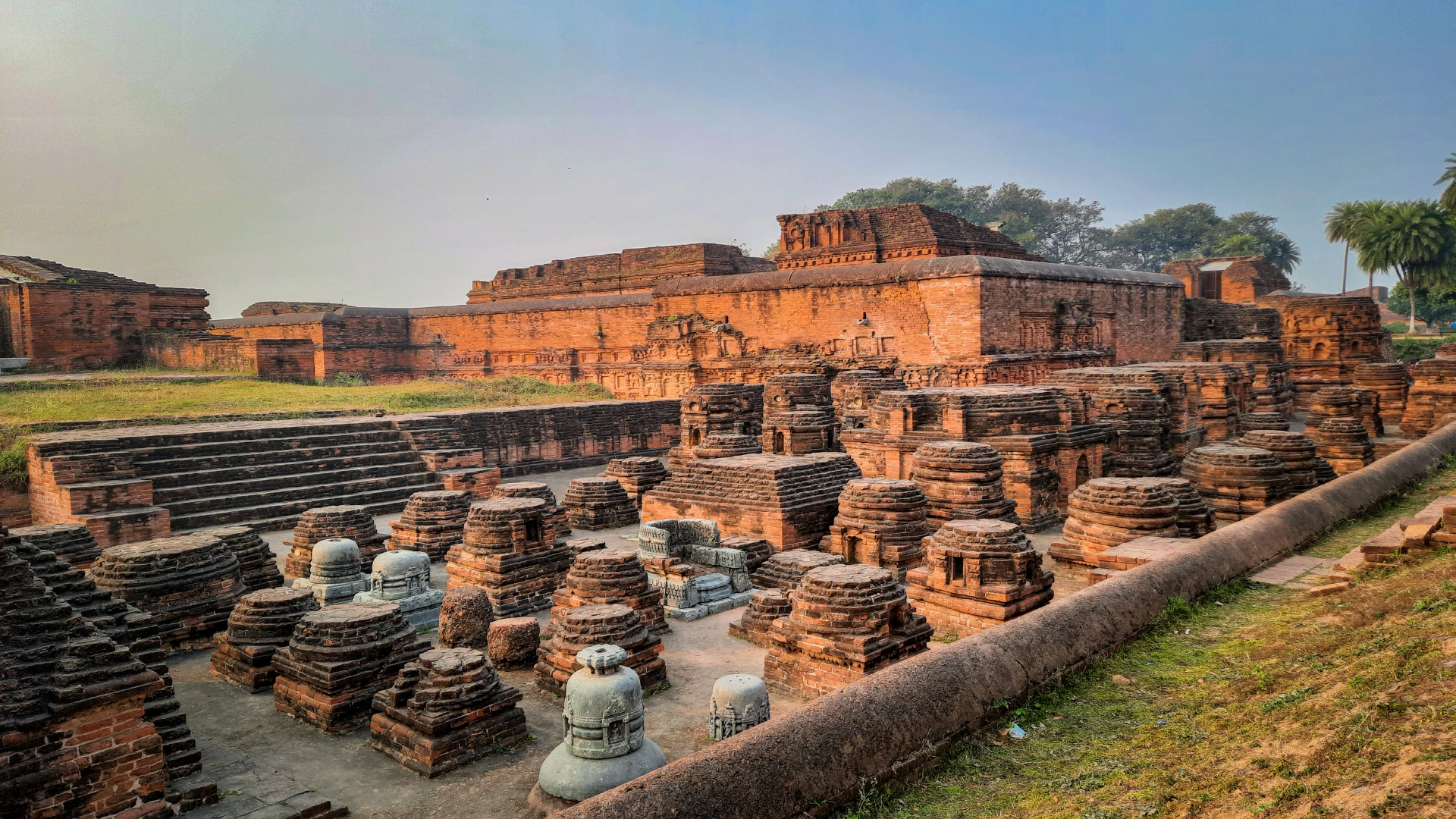
Nalanda: Ancient Center of Learning
Nalanda was home to one of the world's earliest residential universities and an important center of Buddhist scholarship. Students from across Asia once traveled here to study philosophy, medicine, and Buddhist teachings.
Nalanda University Ruins
The archaeological remains provide fascinating insight into the scale and sophistication of this ancient institution.
Nalanda Museum
The museum contains important sculptures, manuscripts, and artifacts discovered during excavations.
Kushinagar: Buddha's Final Journey
Kushinagar is the place where Buddha attained Mahaparinirvana, marking the end of his earthly life. For many pilgrims, this destination represents the final and most emotional stage of the Buddhist Circuit.
Mahaparinirvana Temple
The temple contains a famous reclining Buddha statue that commemorates his passing.
Ramabhar Stupa
This important monument is believed to mark the site of Buddha's cremation.
Best Time to Visit the Buddhist Circuit
The most comfortable period for visiting these destinations is between October and March. Pleasant temperatures make sightseeing, meditation, and travel more enjoyable.
Winter Season
Cool weather and clear skies provide excellent conditions for exploring the pilgrimage sites.
Buddhist Festivals
Visiting during major Buddhist celebrations can provide a deeper cultural and spiritual experience.
Suggested 7-Day Buddhist Circuit Itinerary
A week-long itinerary allows travelers to experience the circuit's most important destinations.
Day 1
- Arrival in Bodh Gaya
- Visit Mahabodhi Temple
- Meditation beneath the Bodhi Tree
Day 2
- Explore Bodh Gaya monasteries
- Cultural visits
- Evening prayer ceremonies
Day 3
- Rajgir excursion
- Vulture Peak
- Peace Pagoda
Day 4
- Nalanda University ruins
- Museum visit
Day 5
- Travel to Varanasi
- Evening exploration
Day 6
- Sarnath visit
- Dhamek Stupa
- Museum tour
Day 7
- Kushinagar
- Mahaparinirvana Temple
- Departure
Why French Travelers Choose the Buddhist Circuit
Many travelers searching for pèlerinage bouddhiste en Inde seek a journey that combines spirituality, history, and cultural immersion.
The Buddhist Circuit offers all three while allowing visitors to explore some of India's most important religious and historical destinations.
Unlike conventional sightseeing tours, this journey provides opportunities for reflection, learning, and personal growth.
Conclusion
This Buddhist Circuit India French travelers guide highlights why the pilgrimage route remains one of the most meaningful travel experiences in India. From Bodh Gaya and Sarnath to Nalanda and Kushinagar, each destination reveals an important chapter in the life and teachings of Buddha.
Whether you are traveling for religious reasons or cultural discovery, the Buddhist Circuit offers a journey filled with history, spirituality, and inspiration.
At Tour En Inde, we create personalized Buddhist pilgrimage tours for French travelers seeking authentic spiritual experiences across India's most sacred Buddhist sites. Contact our team to start planning your pilgrimage.
Frequently Asked Questions
How many days are needed for the Buddhist Circuit?
Most travelers should plan at least seven days to comfortably visit the major pilgrimage sites.
Is Bodh Gaya the most important Buddhist site in India?
Yes. Bodh Gaya is widely regarded as the most sacred Buddhist pilgrimage destination because it is where Buddha attained enlightenment.
Can I combine Varanasi with the Buddhist Circuit?
Absolutely. Many travelers combine Varanasi and Sarnath with Bodh Gaya and other Buddhist destinations during the same journey.