Essence of South India — 13 Days / 12 Nights

Temples, Nature, Serenity — Dravidian temple towns, Kerala's backwaters and spice hills, and Karnataka's royal palaces.

⏱ 13 Days / 12 Nights 📅 All Months 📍 Chennai · Tamil Nadu · Kerala · Karnataka
Why This Journey

Three States, One Unbroken Thread of Devotion

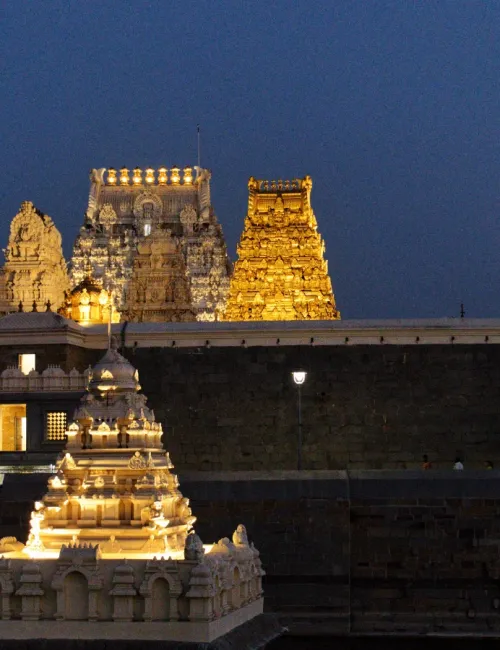
South India moves at a different rhythm than the north — its history written not in Mughal marble but in soaring Dravidian gopurams, Chola bronze-casting workshops, and temple towns that have functioned continuously for over a thousand years. This 13-day route traces that thread from Tamil Nadu's great temple cities through Kerala's spice hills and palm-fringed backwaters to Karnataka's Hoysala and Wodeyar heritage — a complete portrait of a region shaped as much by the Arabian Sea's spice trade as by its extraordinary religious architecture.

Day-by-Day Itinerary

1Day

Chennai — Arrival

Arrive at Chennai International Airport (Tamil Nadu) late at night and transfer directly to your hotel. Overnight stay in Chennai.

Why Chennai matters: Founded by the British East India Company in 1639 around Fort St. George, Chennai (formerly Madras) grew into South India's principal gateway to the sea — a role it still plays today as the starting point for journeys into Tamil Nadu's temple country.
2Day

Chennai / Kanchipuram / Mahabalipuram

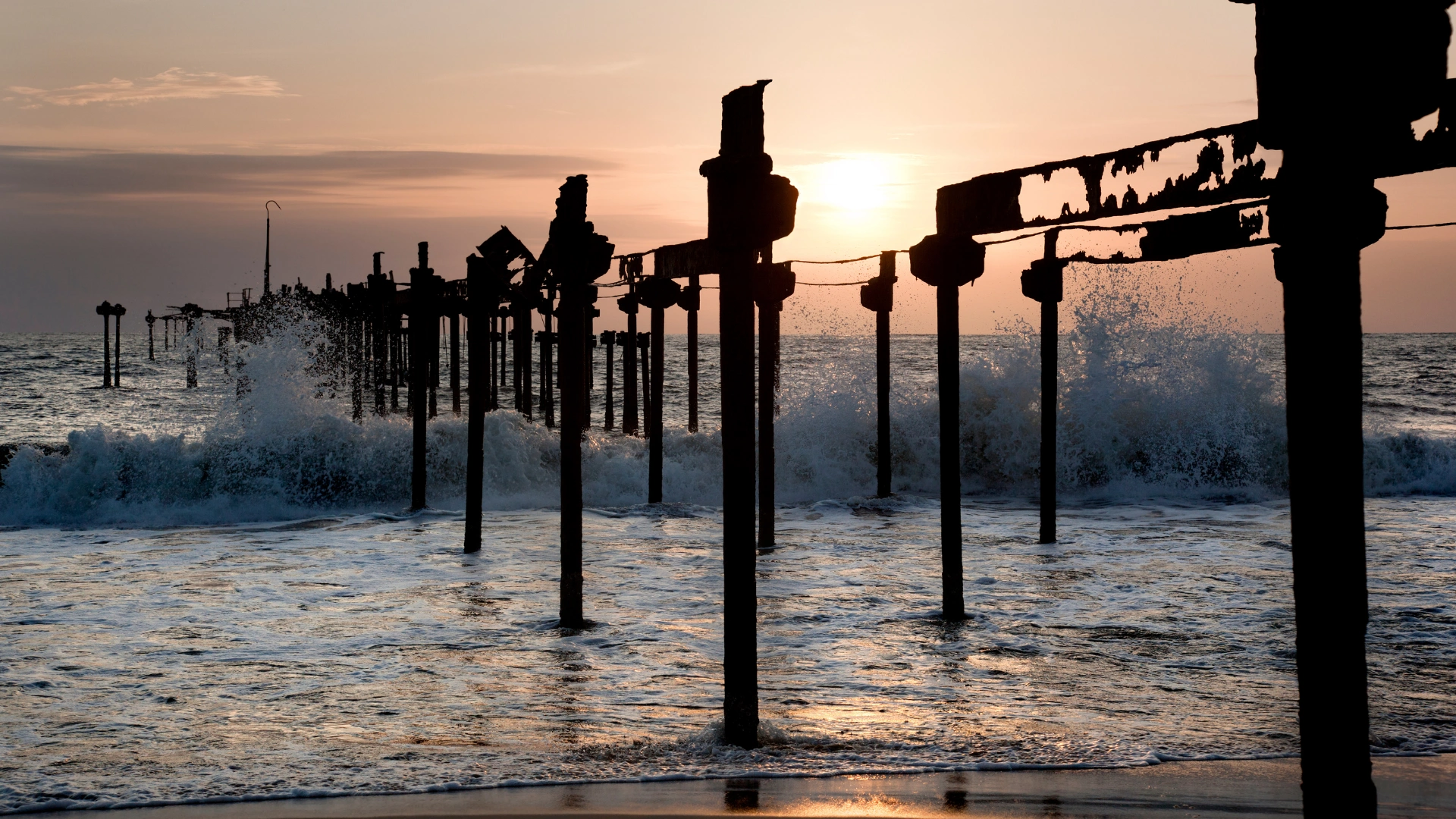
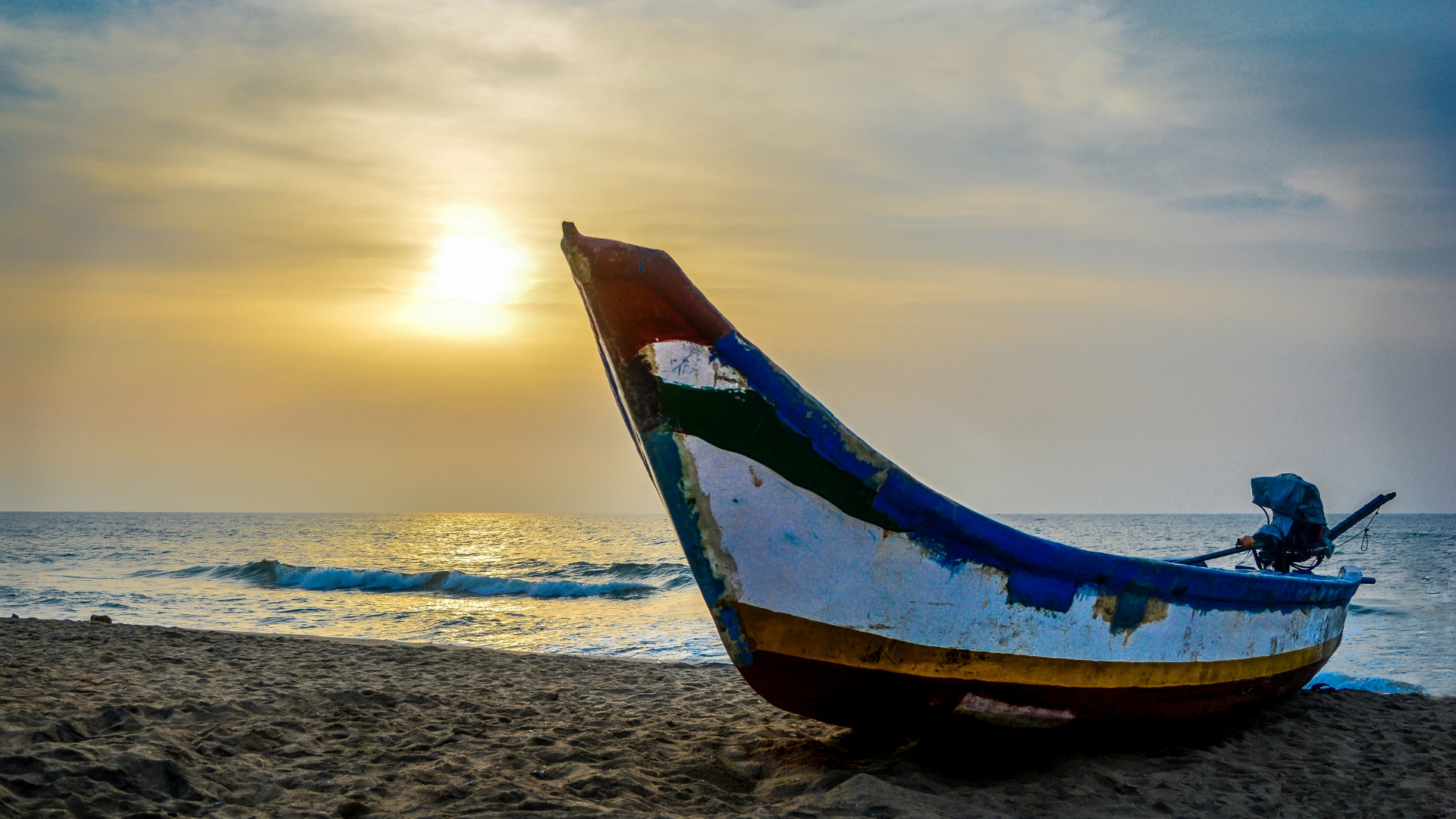
Begin your journey in Chennai, India's fourth-largest city and a major cultural hub. Visit St. Thomas Church and explore the lively fish market on Marina Beach, one of the world's longest beaches. In the afternoon, drive to Kanchipuram, once the Pallava capital, to visit the Kailashanatha and Ekambareshvara Temples—masterpieces of early Dravidian art. Continue to Mahabalipuram for an overnight stay by the sea.

Why Kanchipuram matters: Known as the "City of a Thousand Temples," Kanchipuram served as the capital of the Pallava dynasty and is considered one of Hinduism's seven sacred cities (Sapta Puri). It is equally famous today for its handwoven silk sarees, a tradition dating back centuries.
3Day

Mahabalipuram / Auroville / Pondicherry

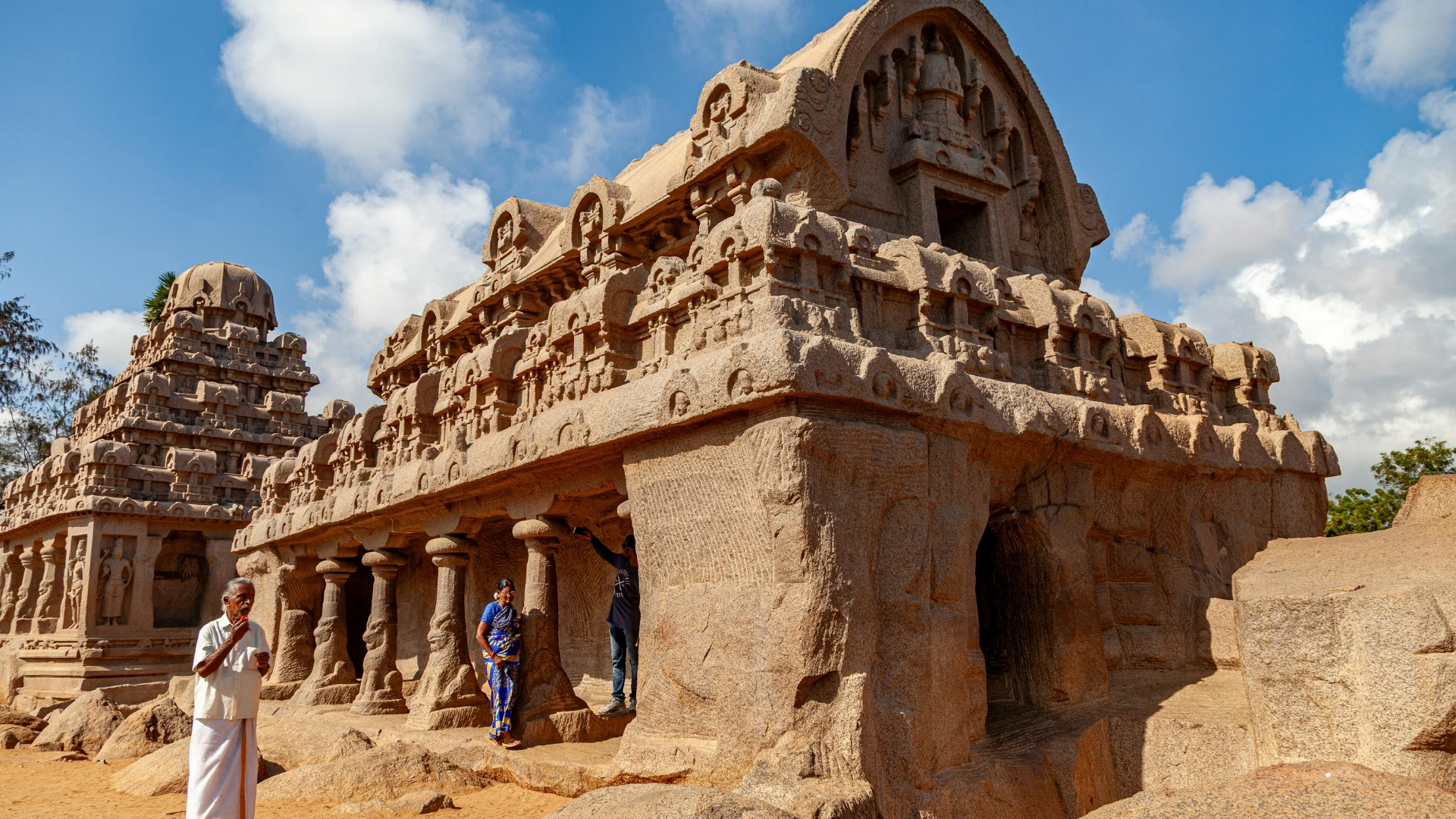
Visit Mahabalipuram's Shore Temple, the monumental bas-relief "Descent of the Ganges," and the Five Rathas. Continue to Auroville, the visionary "City of Human Unity" founded by Mira Alfassa ("The Mother"). Arrive in Pondicherry, where French heritage meets Indian charm. Visit Sri Aurobindo Ashram and a Ganesh temple where an elephant offers blessings. Enjoy a cyclo ride through the old French quarter. Overnight stay in Pondicherry.

Why Mahabalipuram matters: A UNESCO World Heritage Site, Mahabalipuram flourished as a major seaport of the Pallava dynasty in the 7th century. Its Shore Temple, one of the oldest structural stone temples in South India, has withstood over 1,300 years of sea erosion and remains a benchmark of early Dravidian architecture.
4Day

Pondicherry → Chidambaram → Kumbakonam → Tanjore

Depart for Tanjore with stops along the way. Visit Chidambaram Temple dedicated to Shiva Nataraja, the majestic Gangaikondacholapuram Temple, and the Darasuram Temple, both UNESCO-listed examples of Chola architecture. Meet villagers and discover traditional crafts before arriving in Tanjore in the evening. Overnight stay in Tanjore.

Why Chidambaram and the Chola temples matter: Chidambaram's temple is one of the few in India dedicated to Shiva Nataraja, the cosmic dancer, and is considered a key site in classical Bharatanatyam dance tradition. Gangaikondacholapuram, built by Rajendra Chola I in the 11th century to commemorate his campaign to the Ganges, forms part of the "Great Living Chola Temples" UNESCO World Heritage group.
5Day

Tanjore — Brihadishwara Temple → Trichy

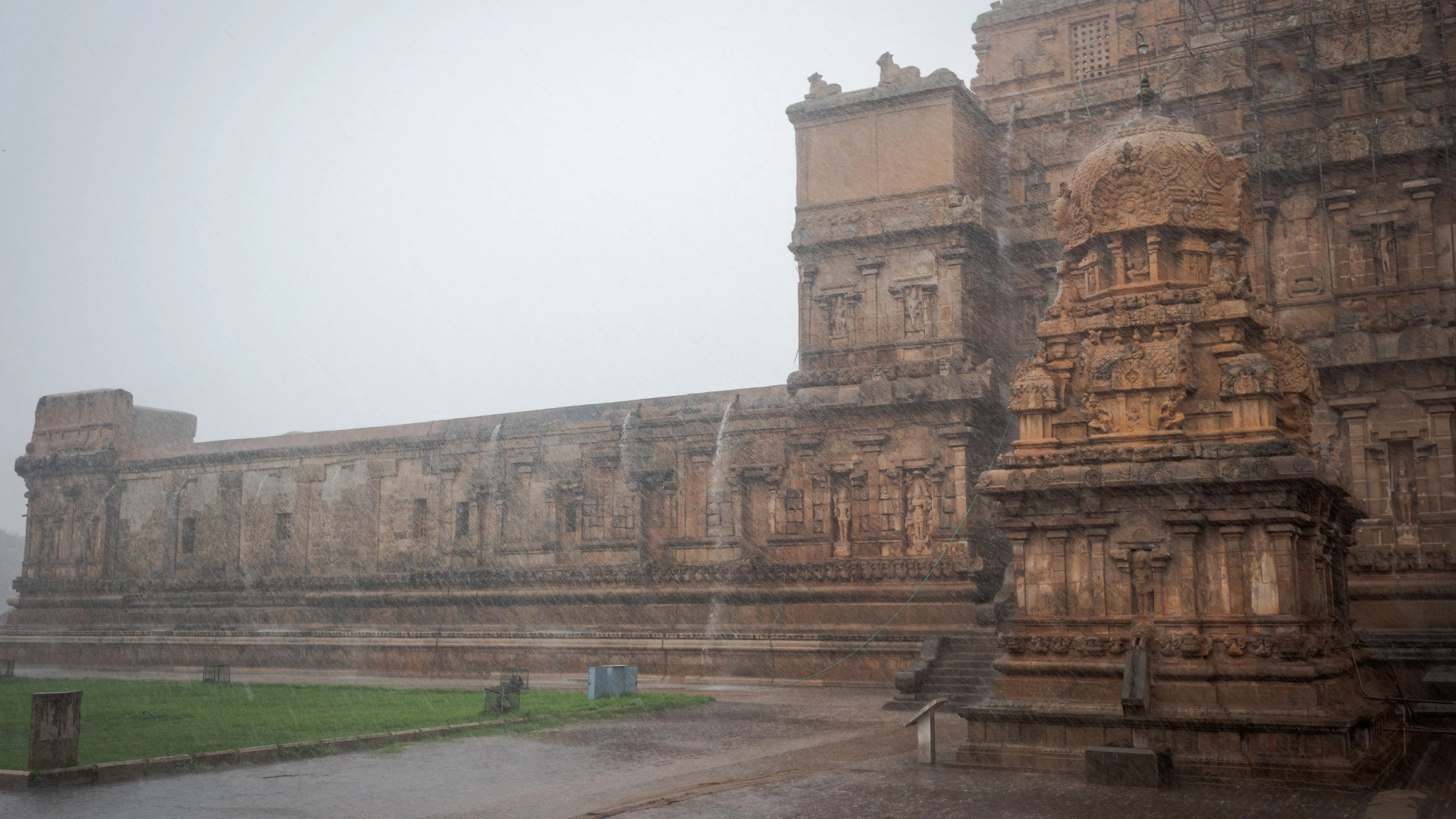
Morning visit to the magnificent Brihadishwara Temple (11th century), a Chola masterpiece, followed by the Maratha Palace Museum and a bronze workshop. Continue to Trichy (Tiruchirapalli), a city of layered dynastic history. Visit the vast Srirangam Temple complex, one of the largest in India, and explore the colorful local market. Overnight stay in Trichy.

Why Brihadishwara and Srirangam matter: The Brihadishwara Temple, built by Raja Raja Chola I and completed in 1010 CE, is topped by a 66-metre vimana tower capped with a single 80-tonne granite block — an engineering feat historians still debate the logistics of. Srirangam's temple complex spans 156 acres with seven concentric walls, making it one of the largest functioning Hindu temples in the world.
6Day

Trichy / Madurai

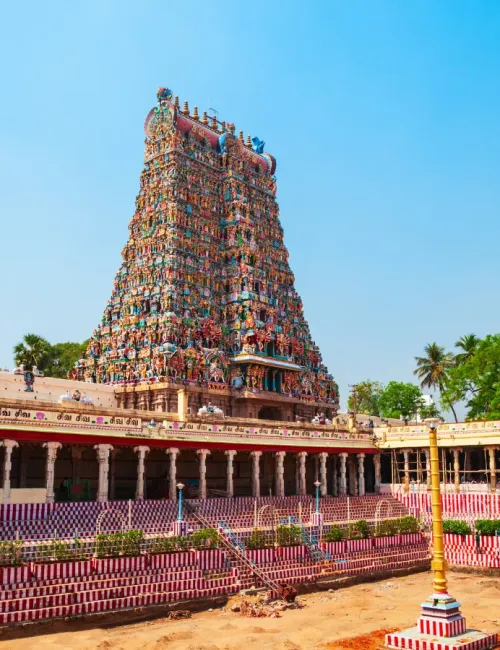
Drive to Madurai, Tamil Nadu's spiritual heart. Visit the bustling flower market, Thirumalai Nayak Palace (17th century), and the extraordinary Meenakshi Temple, with its towering gopurams and sacred rituals. In the evening, witness the temple's nightly procession dedicated to Lord Shiva. Overnight stay in Madurai.

Why Madurai matters: One of the oldest continuously inhabited cities in India, Madurai's Meenakshi Amman Temple features 14 gateway towers covered in over 33,000 painted sculptures. The temple's nightly ritual, in which the goddess Meenakshi is symbolically escorted to Shiva's chamber, has been performed for centuries and remains a living tradition rather than a historical reenactment.
7Day

Madurai / Periyar

Journey through the Western Ghats to Periyar, entering the lush landscapes of Kerala. Visit aromatic spice plantations of cardamom, pepper, and cloves. In the evening, attend a traditional Kalaripayattu martial arts show. Optional Ayurvedic massages are available. Overnight stay in Periyar.

Why Periyar and Kalaripayattu matter: The Periyar region's spice trade dates back over 2,000 years, drawing Roman, Arab and later European traders to Kerala's coast in search of black pepper, once so valuable it was called "black gold." Kalaripayattu, practiced here, is considered one of the oldest martial arts systems in the world, with roots traced to at least the 3rd century BCE.
8Day

Periyar / Alleppey (Backwaters)

Drive to Alleppey and board a traditional houseboat (kettuvallam) to cruise through Kerala's enchanting backwaters. Enjoy tranquil views of palm-lined canals, villages, and rice paddies. Meals and overnight stay on board the houseboat.

Why the backwaters matter: Kerala's kettuvallam houseboats were originally cargo barges used to transport rice and spices along a 900-km network of lakes, canals and rivers, before being repurposed for tourism in the 1990s. The backwaters remain a living agricultural landscape, with rice paddies farmed below sea level and protected by an intricate system of dykes.
9Day

Backwaters / Marari Beach / Cochin

Disembark and continue to Marari Beach for a relaxing break by the Arabian Sea. Visit a fishing village before proceeding to Cochin. In the evening, attend a captivating Kathakali dance performance, witnessing the elaborate makeup process and storytelling through expressive movements. Overnight stay in Cochin.

Why Kathakali matters: Kathakali developed in Kerala in the 17th century, combining dance, drama, music and elaborate face-painting to depict stories from the Hindu epics. Performers train for years to master its codified hand gestures (mudras) and facial expressions, and the pre-performance makeup ritual is itself considered part of the art form.
10Day

Cochin — Sightseeing

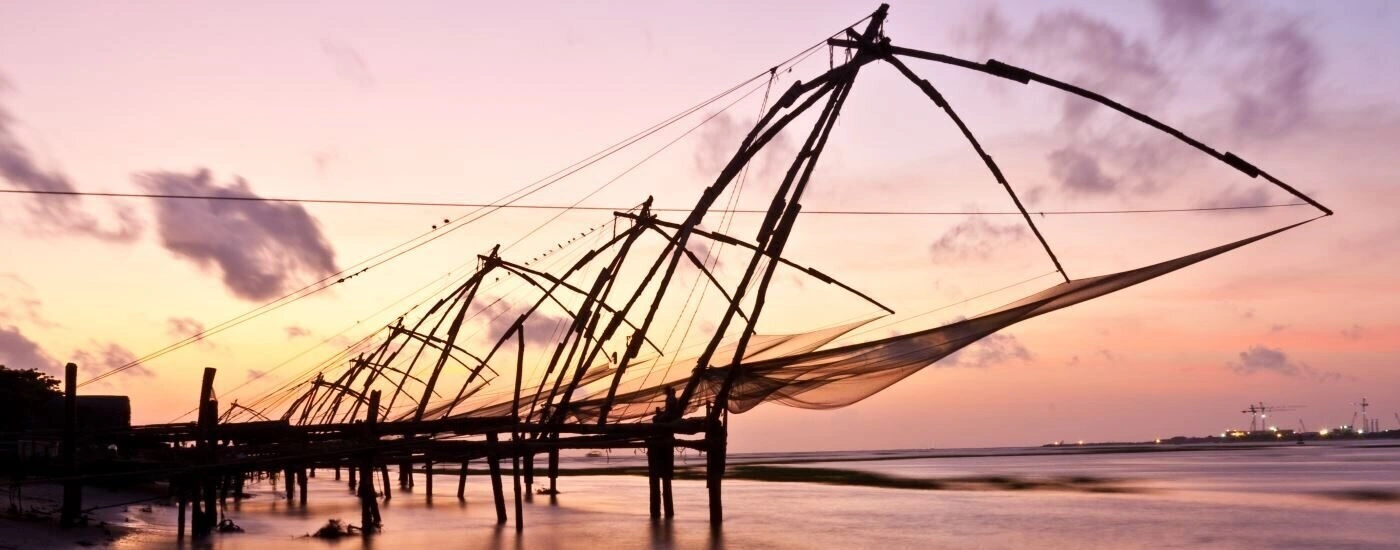
Explore the historic port city of Cochin: visit the traditional dhobi ghats, St. Francis Church, the Chinese fishing nets, the Dutch Palace, and the Paradesi Synagogue in the old Jewish quarter. Stroll through the vibrant spice markets and enjoy leisure time by the sea. Overnight stay in Cochin.

Why Cochin matters: Cochin's Chinese fishing nets are believed to have been introduced by traders from the court of Kublai Khan in the 14th century, while St. Francis Church, built in 1503, is the oldest European church in India — explorer Vasco da Gama was originally buried here before his remains were moved to Portugal.
11Day

Cochin / Bangalore / Mysore

Fly to Bangalore and drive to Mysore, Karnataka's cultural capital. Visit the magnificent Mysore Palace, renowned for its ornate interiors, stained glass domes, and royal history. Overnight stay in Mysore.

Why Mysore Palace matters: The current Mysore Palace was rebuilt between 1897 and 1912 for the Wodeyar dynasty after a fire destroyed the previous wooden structure. On festival nights it is illuminated with nearly 100,000 light bulbs, a tradition begun under the Wodeyar maharajas that continues today during Mysore's famous Dasara festivities.
12Day

Mysore / Hassan

Visit Chamundeshwari Temple atop Chamundi Hill and the colossal Nandi bull statue. Explore Devaraja Market, filled with flowers, fruits, and colorful spices. En route to Hassan, stop to observe local sugarcane processing. Overnight stay in Hassan.

Why Chamundeshwari matters: Perched atop Chamundi Hill at over 1,000 metres, the temple is dedicated to the Wodeyar dynasty's patron goddess Chamundeshwari, after whom Mysore's rulers took their family deity. The 4.9-metre Nandi bull statue en route, carved from a single block of black granite in 1659, remains one of the largest monolithic Nandi statues in South India.
13Day

Hassan / Halebid / Belur / Bangalore / France

Morning visit to the Hoysaleswara Temple in Halebid and the Chennakeshava Temple in Belur—two exquisite examples of Hoysala architecture. Continue to Bangalore, where rooms will be available for rest before your late-night flight back to France.

Why Belur and Halebid matter: Built by the Hoysala dynasty in the 12th century, these temples are renowned for soapstone carvings of such intricacy that friezes of dancers, musicians and mythological scenes wrap continuously around their entire outer walls — a craftsmanship so fine it is said the stone was carved on a lathe rather than by chisel alone.

Extra Services

  • Ayurvedic massage session
  • Kalaripayattu / Kathakali workshop
  • Spice plantation tasting tour
  • Coir-making / handicraft demonstration
  • Traditional Kerala sadya meal
  • Yoga class

What's Included

  • Hotel accommodation (double sharing)
  • AC vehicle for full tour
  • One night houseboat stay with meals
  • Domestic flight (Cochin–Bangalore)
  • All sightseeing as per program
  • Meals (breakfast)
  • Monument entry fees
  • Driver

What's Not Included

  • Personal expenses (laundry, calls, tips, etc.)
  • Extra sightseeing not mentioned
  • Camera fees
  • Natural disaster costs
  • Travel insurance
  • Visa
You May Also Like

More South India & Wellness Journeys

FAQs

Frequently Asked Questions

Which three states does this tour cover?

The itinerary spans Tamil Nadu, Kerala and Karnataka, connecting Dravidian temple architecture, Kerala's backwaters and spice country, and Karnataka's royal and Hoysala heritage in a single continuous route.

Is a houseboat cruise included?

Yes, the itinerary includes a cruise aboard a traditional Kerala houseboat (kettuvallam) through the Alleppey backwaters, with meals and an overnight stay on board.

What is the Meenakshi Temple in Madurai?

The Meenakshi Amman Temple is one of India's oldest continuously inhabited pilgrimage cities' central shrines, featuring 14 towering gopurams covered in over 33,000 painted sculptures, with a nightly ritual procession still performed today.

Will I see a traditional dance performance on this trip?

Yes, the itinerary includes a Kathakali performance in Cochin, showcasing Kerala's centuries-old dance-drama tradition with its distinctive face-paint and storytelling gestures.

How much does the 13-day Essence of South India tour cost?

Pricing is provided on request based on hotel category, group size and travel dates — our team responds with a tailored quote within 24 hours.