Fatehpur Sikri: Emperor Akbar's Deserted Red Sandstone Capital
Fatehpur Sikri, the "City of Victory," mesmerizes with its red sandstone grandeur, timeless Mughal art, and echoes of Emperor Akbar's golden vision.
Fatehpur Sikri, the "City of Victory," mesmerizes with its red sandstone grandeur, timeless Mughal art, and echoes of Emperor Akbar's golden vision.
Fatehpur Sikri, the "City of Victory," mesmerizes with its red sandstone grandeur, timeless Mughal art, and echoes of Emperor Akbar's golden vision.
Fatehpur Sikri, the "City of Victory," stands as a timeless symbol of Mughal grandeur and architectural brilliance. Located near Agra, this UNESCO World Heritage Site was once Emperor Akbar's imperial capital, blending Persian elegance with Indian craftsmanship. Today, Fatehpur Sikri remains a ghostly yet glorious city, where red sandstone palaces, mosques, and courtyards whisper tales of a bygone golden era. Walking through its regal corridors feels like stepping back into the heart of the Mughal Empire.
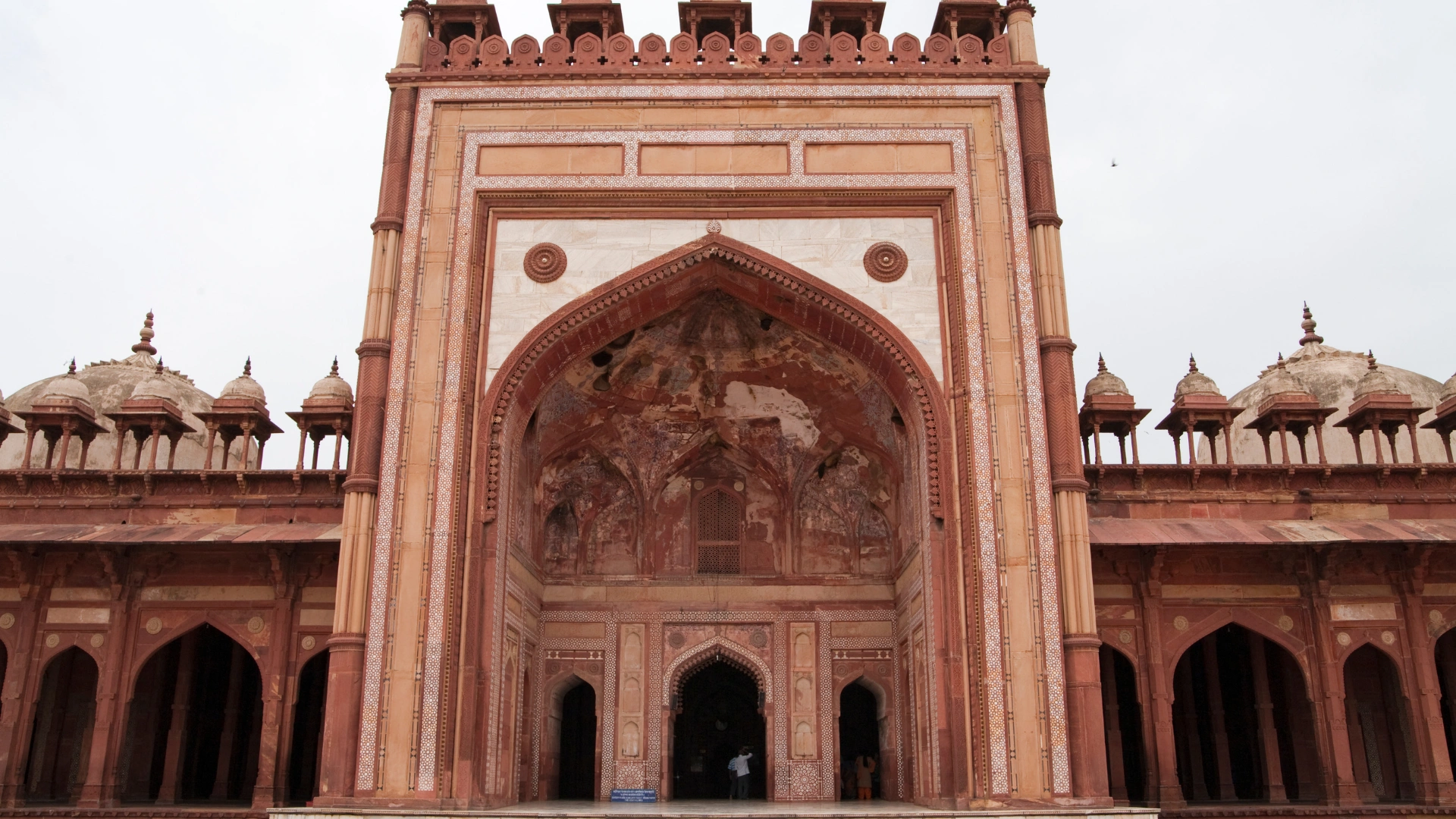
Fatehpur Sikri was built by Emperor Akbar between 1571 and 1585 to commemorate the birth of his son (later Emperor Jahangir), prophesied by the Sufi saint Sheikh Salim Chishti, and served as the Mughal Empire's capital for roughly 15 years before being abandoned due to water scarcity. Its architecture is a rare, deliberate fusion of Hindu, Persian, and Islamic styles, reflecting Akbar's philosophy of Din-i-Ilahi, a syncretic faith he founded to unite his diverse empire. The Buland Darwaza, the largest gateway in Asia, was erected to commemorate Akbar's victory in Gujarat, standing 54 meters tall. As a UNESCO World Heritage Site frozen in time, Fatehpur Sikri offers an unmatched, intact glimpse into a Mughal imperial capital exactly as it was left over four centuries ago.
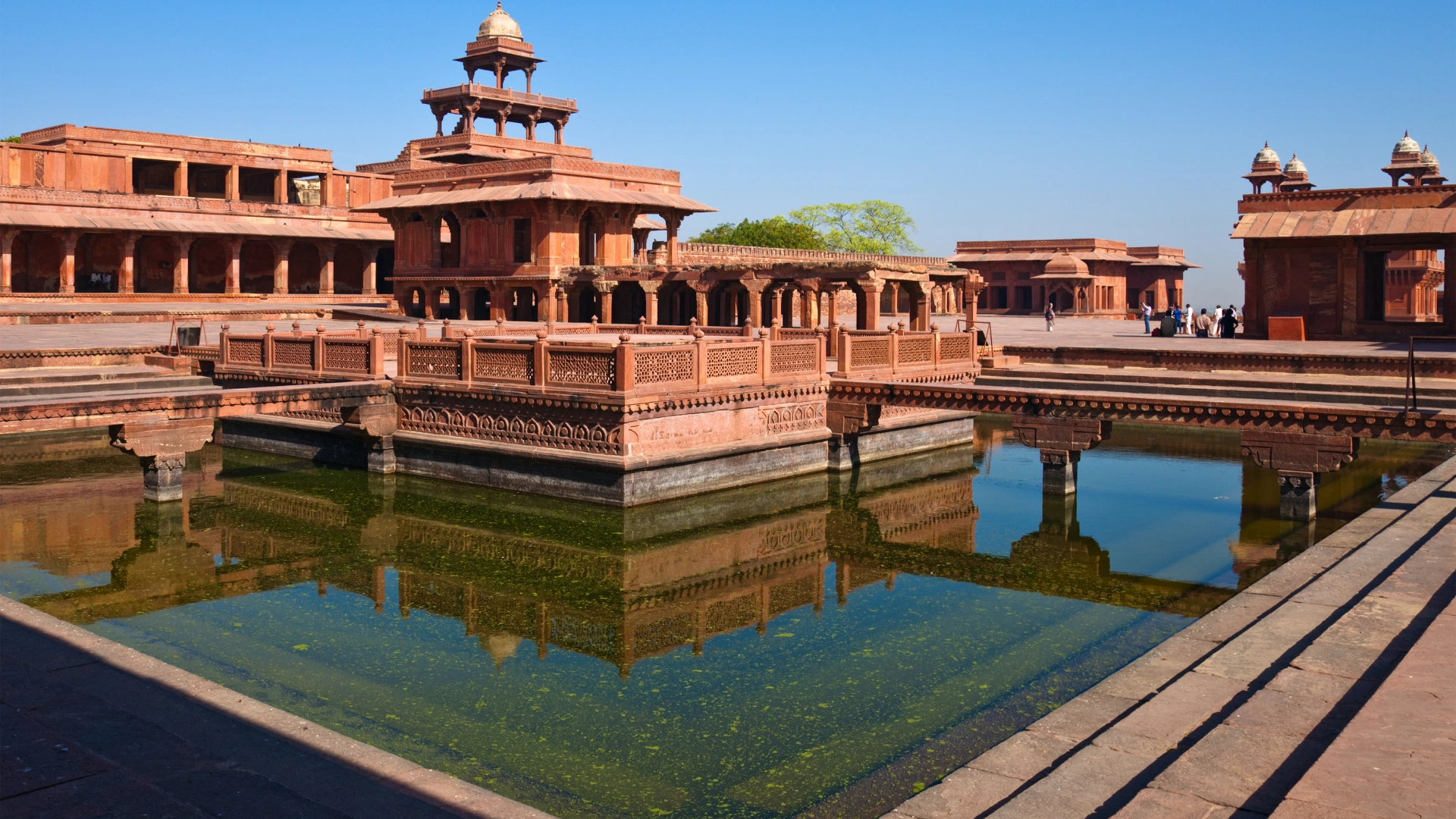
Fatehpur Sikri's layout reflects Akbar's vision of a utopian city. Begin your exploration at the Buland Darwaza, the grand gateway that symbolizes victory and faith. Visit the Jama Masjid, one of the largest mosques in India, and the white marble tomb of Sheikh Salim Chishti, revered for its intricate latticework and spiritual aura. Wander through Diwan-i-Khas, Diwan-i-Aam, Panch Mahal, and Jodha Bai's Palace — each structure revealing exquisite Mughal artistry and architectural harmony.
Fatehpur Sikri is not just a historical site but a living museum of Mughal culture and innovation. Built in the 16th century, it represents Akbar's vision of cultural unity and religious tolerance. The fusion of Hindu, Persian, and Islamic architectural styles is evident in every arch and pillar. Visitors can attend local storytelling sessions, explore heritage walks, or witness traditional music performances that bring the city's royal past to life. The spiritual energy around Sheikh Salim Chishti's dargah continues to draw devotees seeking blessings and inspiration.
The culinary flavors around Fatehpur Sikri reflect Mughal opulence and local traditions. Relish dishes like Mutton Korma, Biryani, Seekh Kebabs, and Shahi Tukda, reminiscent of the imperial kitchens of Akbar's court. Local eateries and dhabas serve authentic North Indian fare, while restaurants in nearby Agra offer a wider range of Mughlai and international cuisines. Sip on a cup of spiced chai as you admire the timeless architecture — a perfect blend of history and hospitality.
Start your visit at the Buland Darwaza, rising majestically against the sky, then explore the Jama Masjid and the dargah of Sheikh Salim Chishti. Marvel at the delicate carvings of Jodha Bai's Palace and the geometric beauty of Diwan-i-Khas. Photography enthusiasts will love capturing the intricate jalis and arches bathed in the golden glow of sunset. Take a guided tour to understand Akbar's vision behind this planned city and how its legacy shaped Indian architecture for centuries.
While Fatehpur Sikri itself offers limited accommodation, nearby Agra provides a range of luxurious and boutique stays. Choose from heritage hotels, Mughal-style resorts, or modern properties with views of the Taj Mahal. The Tour En Inde team selects premium stays that combine cultural elegance with modern comfort, ensuring travelers experience both royal history and contemporary luxury during their visit.
Fatehpur Sikri is located about 40 kilometers from Agra and is easily accessible by road and rail. Within the complex, walking is the best way to explore its architectural marvels. Battery-operated vehicles and guided tours are also available for convenience. The Tour En Inde team arranges private transfers, expert guides, and day excursions from Agra, ensuring a seamless and enriching exploration of this Mughal masterpiece.
Speak to our specialists about including Fatehpur Sikri in your itinerary.
Get A Quote Call +91 98710 96042Fatehpur Sikri is about 40 kilometers from Agra, roughly a 1-hour drive, and is often combined with a Taj Mahal and Agra Fort tour.
Akbar's capital was abandoned after about 15 years, largely due to an inadequate water supply that could not sustain the growing city.
The Buland Darwaza is a 54-meter gateway, the largest in Asia, built by Akbar to commemorate his victory in Gujarat.
Yes, it's commonly included in a Golden Triangle itinerary combining Delhi, Agra, and Jaipur, usually visited en route between Agra and Jaipur.
Yes, it offers a very different Mughal experience — an intact planned capital rather than a mausoleum — and pairs well with a Taj Mahal and Agra Fort visit.