Journey Through the Heart of India — 19 Days / 18 Nights
Cultural, Scenic, Spiritual — from the Arabian Sea to the timeless plains of Madhya Pradesh, through the rock-cut caves and temple towns of Maharashtra and Central India.
Cultural, Scenic, Spiritual — from the Arabian Sea to the timeless plains of Madhya Pradesh, through the rock-cut caves and temple towns of Maharashtra and Central India.
Maharashtra and Madhya Pradesh rarely feature on a first-time visitor's map, yet they hold some of India's greatest concentrations of rock-cut art, sacred rivers and forested hill stations. This 19-day itinerary is built for travelers who have already seen the obvious highlights and want the deeper layer beneath — the 2,000-year-old Buddhist caves of Ajanta and Ellora, the colonial seafront of Mumbai, the tribal-influenced towns of the Narmada valley, and the sculpted temple complexes of Khajuraho and Sanchi. It is a slow, immersive traverse of the authentic center of the country.
Arrival in Mumbai late at night. Meet and transfer to your hotel for rest. Overnight stay in Mumbai.
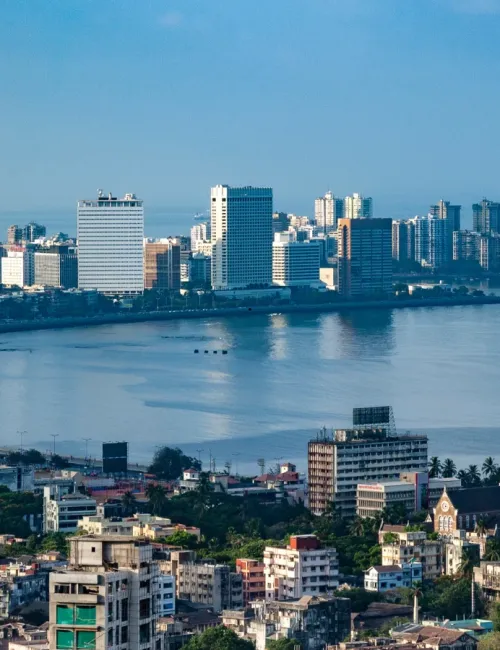
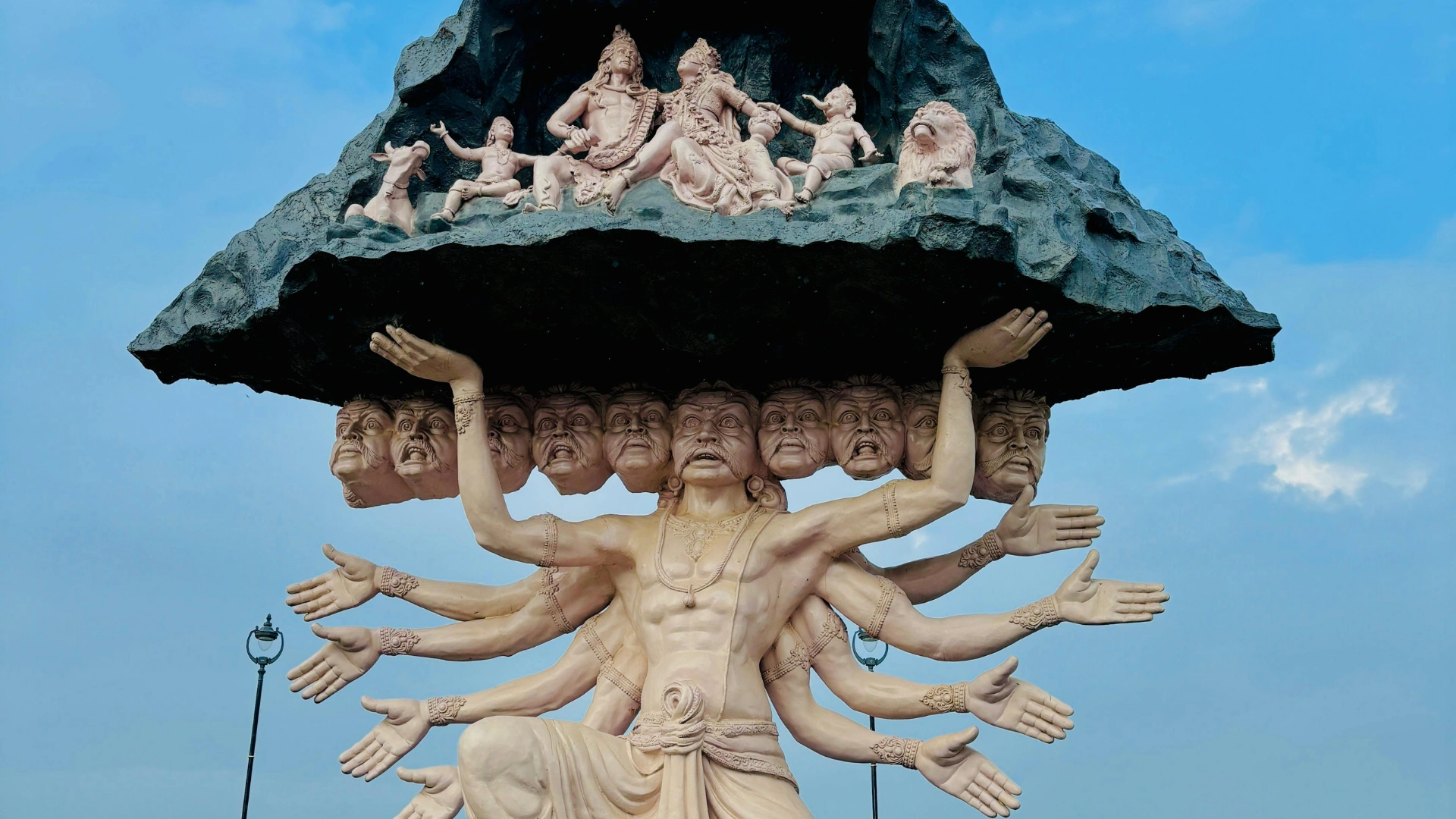
Morning excursion by boat (weather permitting) to Elephanta Island to visit the magnificent 7th–8th century rock-cut caves dedicated to Lord Shiva. In the afternoon, city tour of Mumbai: visit colonial landmarks such as Regal Cinema, St. Thomas Cathedral, Victoria Station, and Crawford Market. If time allows, explore the Prince of Wales Museum with its fine art and sculpture collections. Overnight stay in Mumbai.
Depart for Pune with a stop at Lonavla to visit the Bhaja, Bedsa, and Karla Caves, remarkable examples of ancient Buddhist architecture. Also visit nearby Hindu temples before continuing to Pune. Overnight stay in Pune.
Full-day excursion through the scenic landscapes of the Western Ghats. Visit Raigarh Fort, once the stronghold of Maratha king Shivaji, accessible by cable car. Continue through mountain roads to Mahabaleshwar, a picturesque hill station at 1,370 meters. Enjoy the sunset at Bombay Point. Overnight stay in Mahabaleshwar.
Visit the Krishna Temple and enjoy panoramic views from Arthur's Seat, Wilson's Point, and Elphinstone Point. Explore Chinaman, Dhobi, and Lingmala Falls, and visit Pratapgarh Fort. Later, stop at Wai, a small sacred town with beautiful ghats and temples dedicated to Lord Ganesh. Return to Pune in the evening. Overnight stay in Pune.
Explore Pune's main monuments including Shaniwar Wada, Vishram Bagh Wada Palace, the Aga Khan Palace (Gandhi Memorial), and the Pataleshwar Cave Temple. Drive to Nashik, a sacred city on the Godavari River. Overnight stay in Nashik.
Visit Nashik's Pandu Lena Caves with exquisite carvings and explore its temples and ghats along the river. Later, drive to Aurangabad. Overnight stay in Aurangabad.
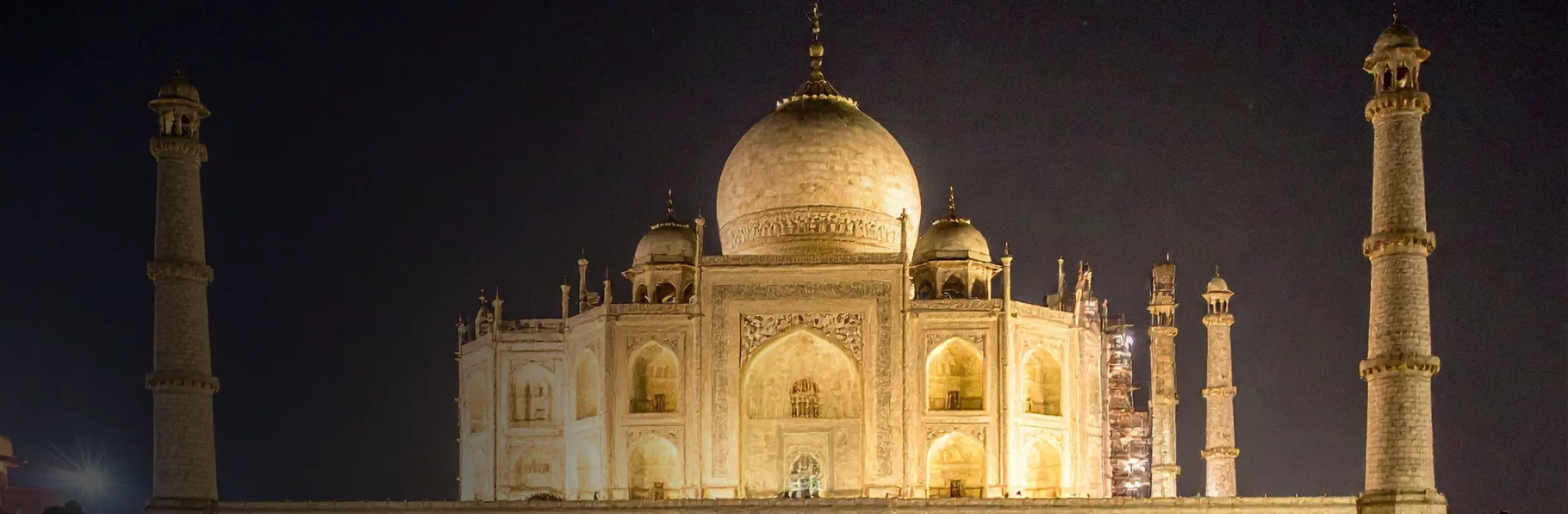
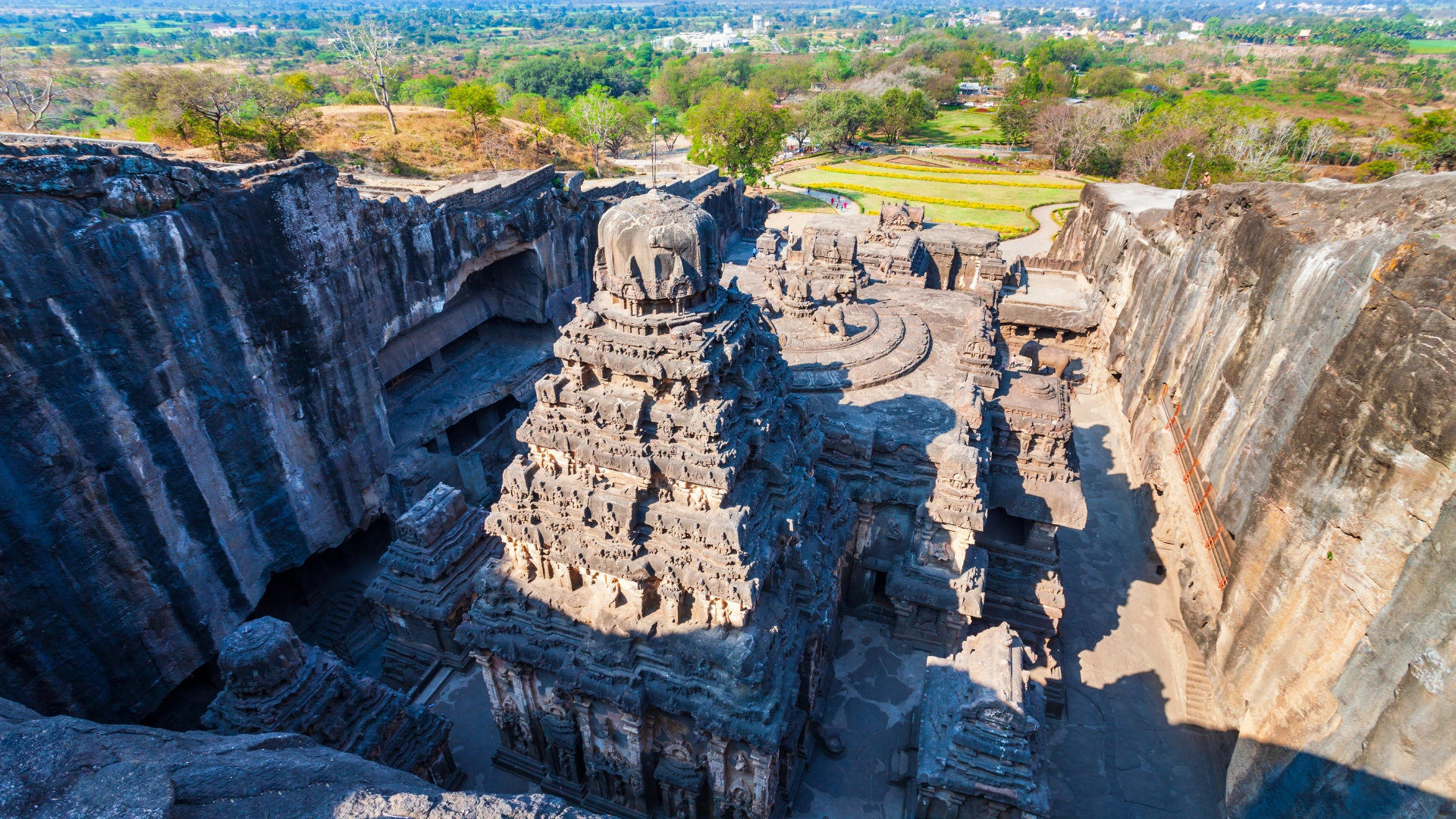
Excursion to the UNESCO-listed Ellora Caves, a magnificent complex of rock-cut temples representing Hindu, Jain, and Buddhist faiths. Visit the Daulatabad Fort and the monolithic Kailashnatha Temple, followed by the Bibi-ka-Maqbara, a mini replica of the Taj Mahal. Overnight stay in Aurangabad.
Drive to the Ajanta Caves, carved into the cliffs overlooking the Waghora River. Admire stunning frescoes and sculptures dating from the 2nd century BCE to the 6th century CE. Continue to Burhanpur, a historic Mughal city. Overnight stay in Burhanpur.
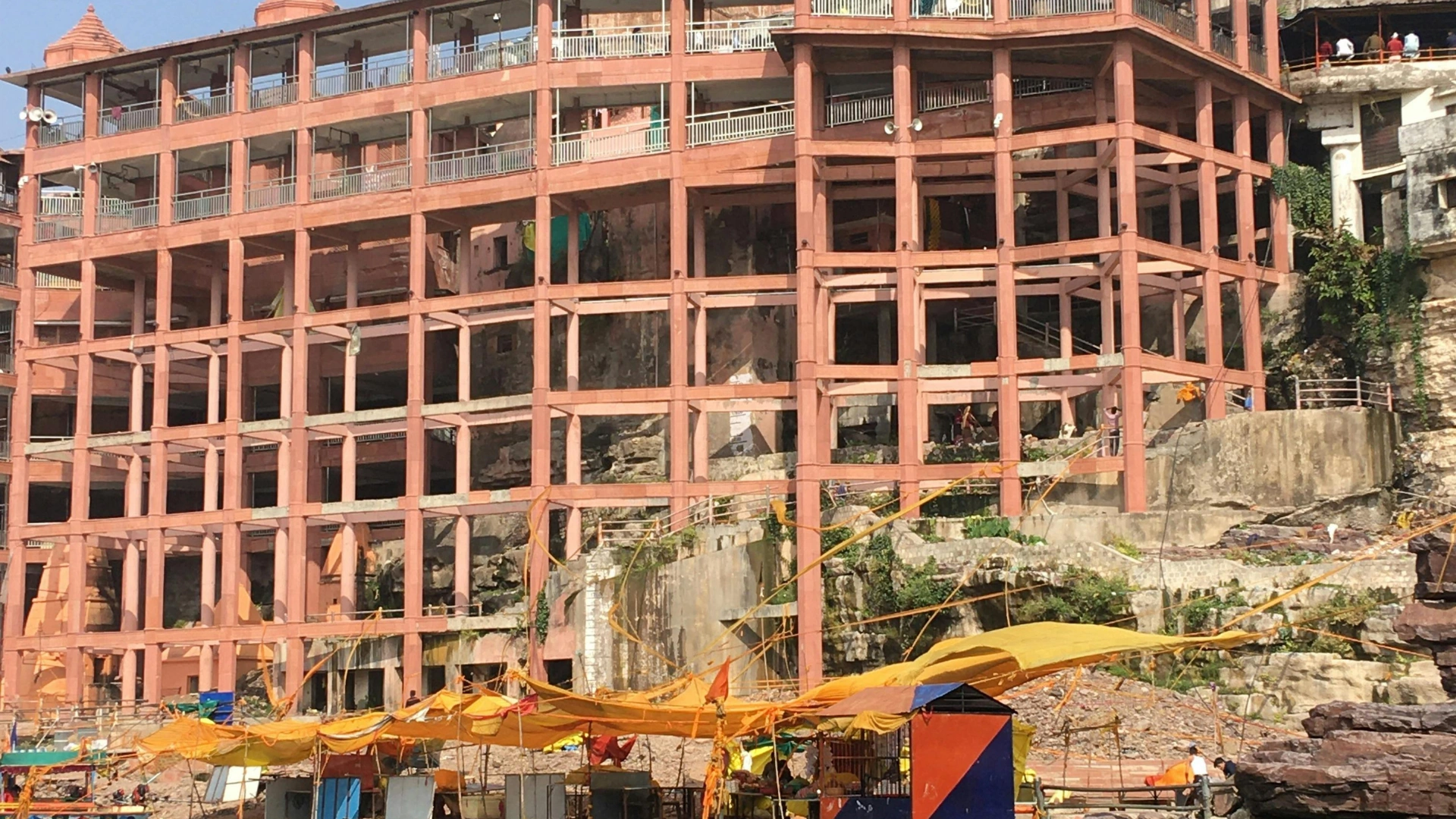
Visit the Gurudwara Badi Sangat, Jama Masjid, and Mughal palace in Burhanpur. Drive to Omkareshwar at the confluence of the Narmada and Kaveri Rivers for a scenic boat ride and temple visit. Continue to Maheshwar, a sacred town known for its temples and weaving tradition. Overnight stay in Maheshwar.
Explore Maheshwar's riverside temples and ghats, and visit workshops where beautiful Maheshwari saris are woven. Continue to Mandu, the romantic "city of joy," famous for its Afghan architecture and haunting ruins. Overnight stay in Mandu.
Visit Mandu's major monuments — Jama Masjid, Hoshang Shah's Tomb, Baz Bahadur's Palace, and Rupmati's Pavilion. Continue to Amla village, classified as a heritage village for its preserved architecture and traditions. Overnight stay in Amla.
Stroll through Amla's bazaar before driving to Ujjain, a revered Hindu city on the Shipra River. Visit the Mahakaleshwar Temple, one of India's twelve jyotirlingas, and the Jai Singh Observatory. Continue to Bhopal. Overnight stay in Bhopal.
Excursion to Bhojpur Temple, home to one of India's largest Shiva lingams. Visit Bhimbetka, a UNESCO World Heritage Site with prehistoric rock paintings from the Paleolithic and Mesolithic eras. Return to Bhopal. Overnight stay in Bhopal.
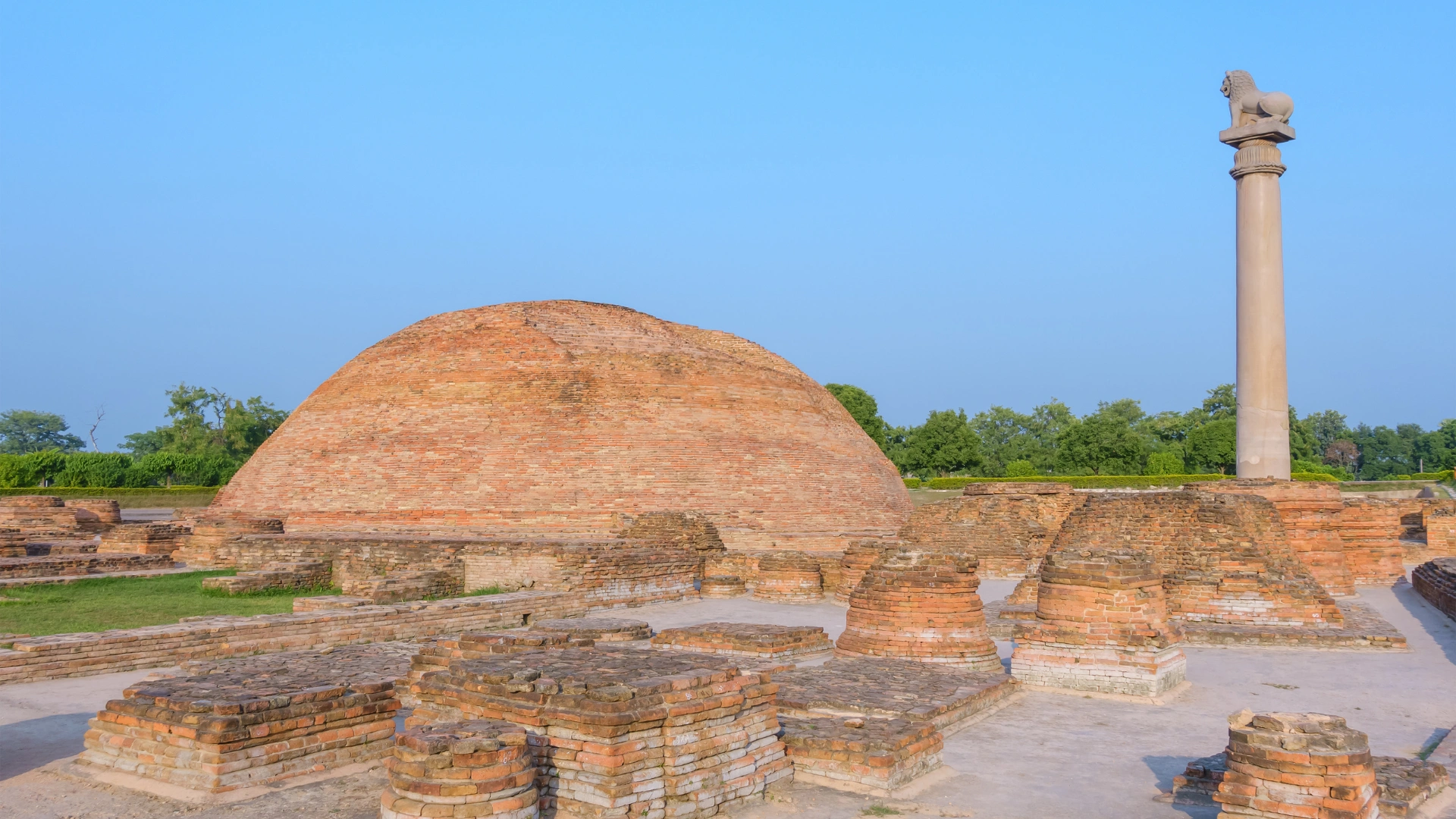
Visit the Buddhist site of Sanchi, a UNESCO World Heritage monument with beautiful stupas and sculptures depicting Buddha's life. Explore the archaeological museum and visit the Udayagiri rock caves dedicated to Hindu and Jain deities. Free time in Bhopal's bazaars. Overnight stay in Bhopal.
Drive to Khajuraho, stopping in Sagar to explore local sites. In the evening, attend a traditional dance performance or sound and light show. Overnight stay in Khajuraho.
Visit Khajuraho's famous UNESCO-listed temples, renowned for their intricate carvings and depictions of divine and earthly life. Afterward, drive to Orchha. Overnight stay in Orchha.
Explore Orchha, the former Rajput capital, known for Jehangir Mahal, Laxmi Narayan Temple, and the cenotaphs along the Betwa River. Continue to Jhansi and board the train to Delhi. Overnight journey or stay in Delhi.
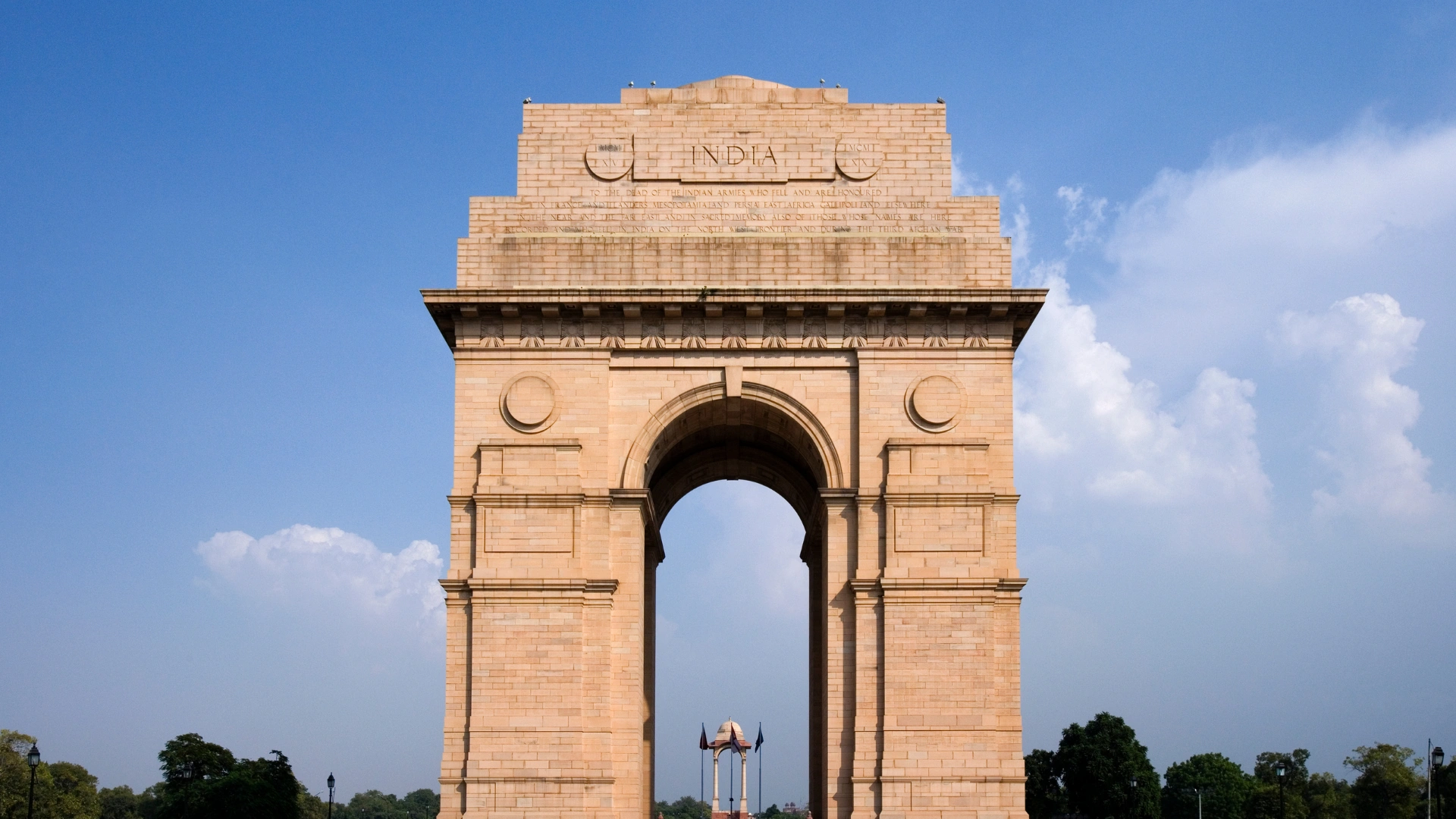
Morning tour of Delhi: visit Old Delhi's Jama Masjid and take a rickshaw through the lively bazaars. In New Delhi, see India Gate, Connaught Place, and the Qutub Minar. Rooms available for rest before your airport transfer and return flight to France.
Yes, this itinerary is specifically paced to cover Mumbai, the Western Ghats, Ellora, Ajanta, Ujjain, Bhopal, Sanchi, Khajuraho and Orchha without rushing, while allowing rest days built into the drive schedule.
Ellora features rock-cut Hindu, Jain and Buddhist temples including the monolithic Kailasa Temple, while Ajanta's caves are older, famous chiefly for Buddhist mural paintings dating back to the 2nd century BCE — both are visited on this itinerary.
Yes, it is designed as a next step for returning visitors, focusing on Maharashtra and Madhya Pradesh's caves, temples and hill stations rather than Delhi-Agra-Jaipur.
Hotel accommodation on double sharing, a private air-conditioned vehicle for the full 19 days, daily breakfast, monument entry fees and a professional driver; personal expenses, extra sightseeing, insurance and visa are excluded.
Yes, as with all our journeys this route is fully tailor-made and can be shortened, extended, or combined with Rajasthan or South India according to your schedule.