Nalanda: The World's First Great University
Nalanda, Bihar's ancient seat of learning, echoes with the spirit of enlightenment — where knowledge, faith, and harmony once illuminated the world.
Nalanda, Bihar's ancient seat of learning, echoes with the spirit of enlightenment — where knowledge, faith, and harmony once illuminated the world.
Nalanda, Bihar's ancient seat of learning, echoes with the spirit of enlightenment — where knowledge, faith, and harmony once illuminated the world.
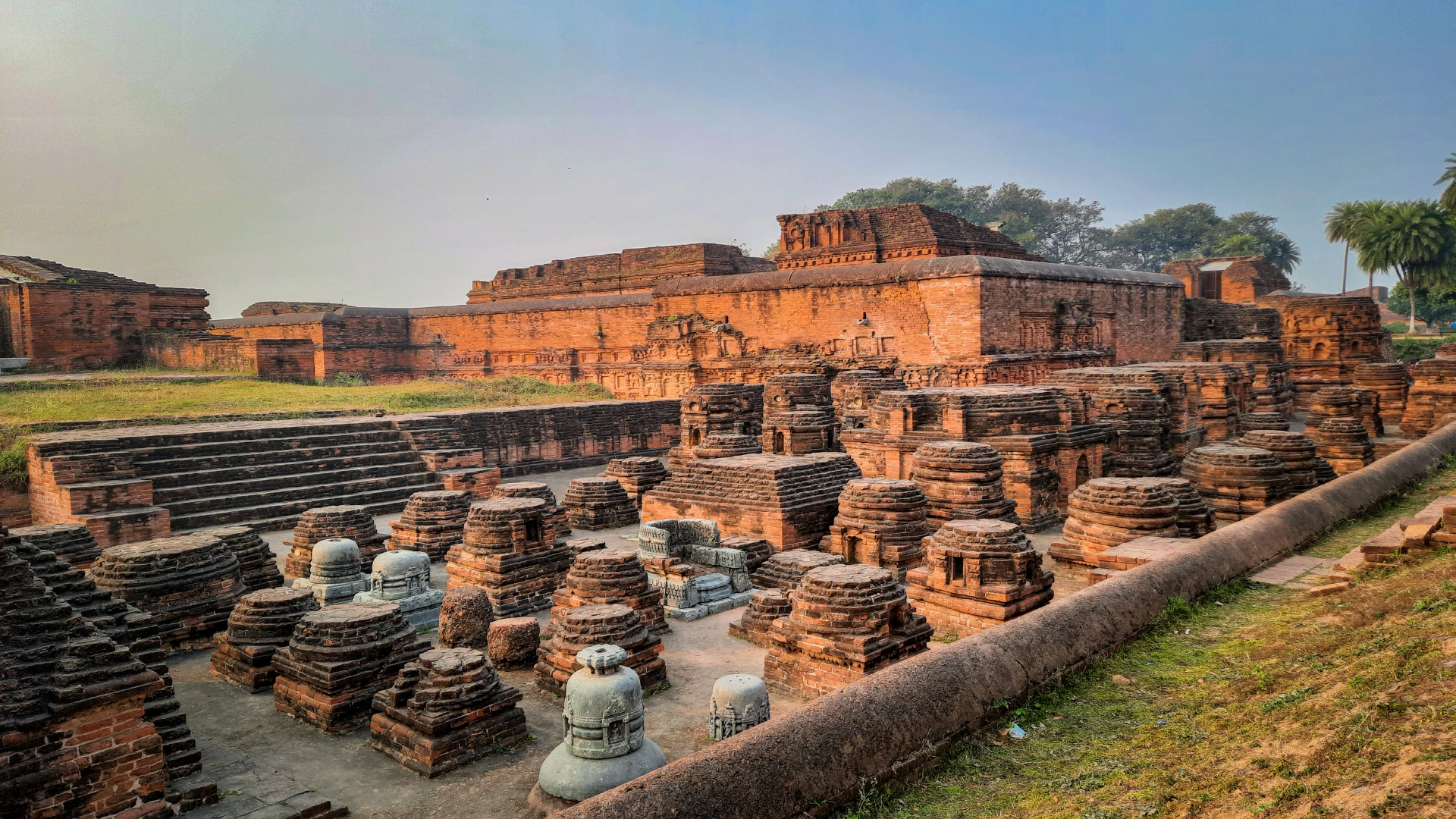
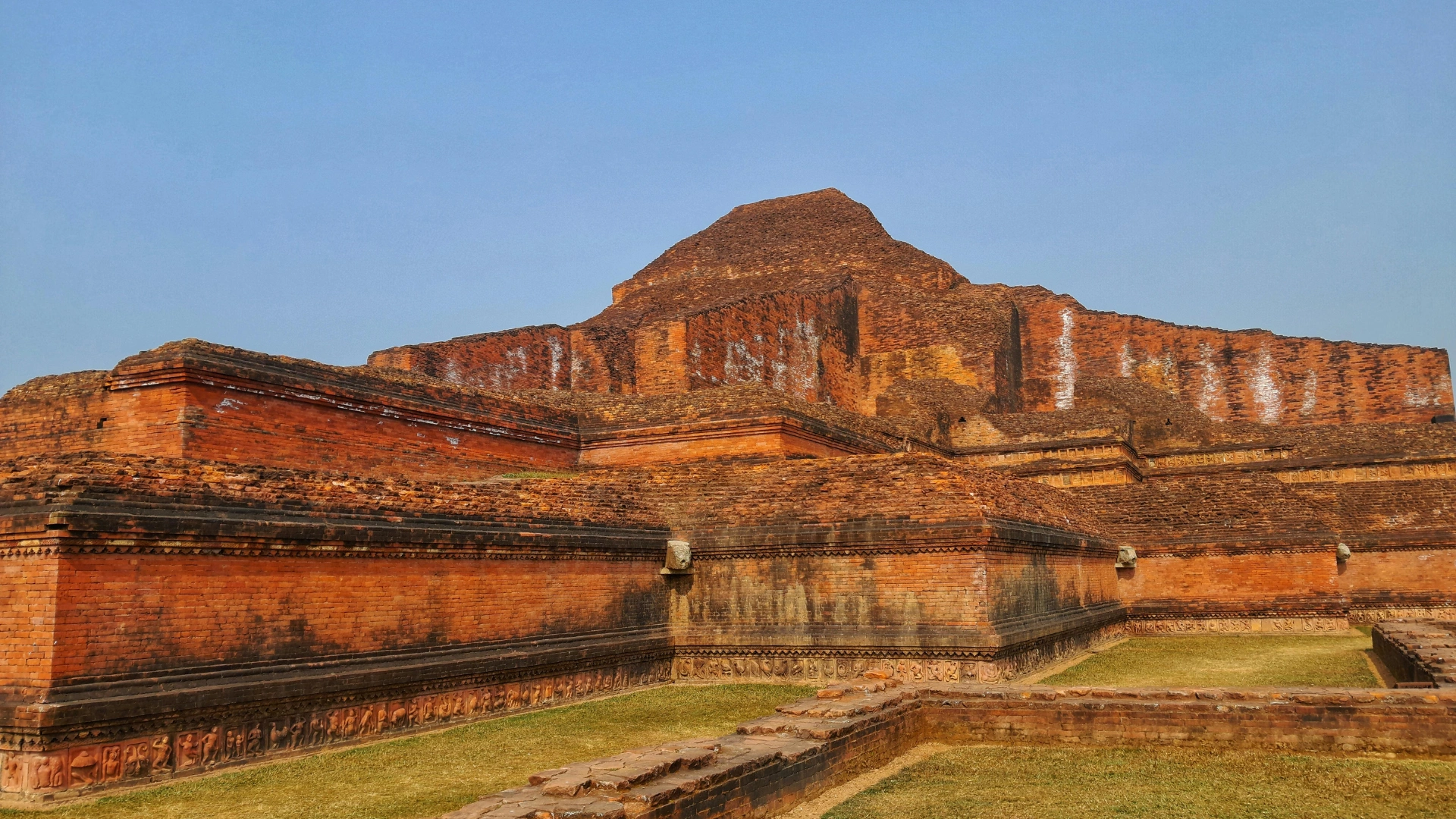
Nalanda, in Bihar, stands as one of the world's earliest and greatest centers of learning — a timeless symbol of India's intellectual and spiritual heritage. Established in the 5th century CE, the ancient Nalanda University attracted scholars from across Asia, including China, Tibet, and Korea. Its red-brick ruins, monasteries, and stupas whisper stories of enlightenment, scholarship, and devotion. Today, Nalanda remains a serene yet powerful reminder of India's golden age of wisdom and knowledge.
Nalanda was arguably the world's first great residential university, drawing an estimated 10,000 students and 2,000 teachers at its peak — centuries before Oxford or Bologna existed. Chinese pilgrim-scholars like Xuanzang and Yijing studied and translated texts here, carrying Nalanda's teachings on logic, medicine, and Buddhist philosophy back across Asia, which is why the site is inscribed as a UNESCO World Heritage property. Walking its excavated courtyards puts you in direct contact with a civilization that valued open inquiry across faiths and nations long before "global education" was a phrase. For anyone interested in Buddhism, ancient science, or the deep roots of Indian scholarship, Nalanda is an essential, humbling pilgrimage.
The ruins of Nalanda University are the main highlight, spread over 14 hectares of land that once housed thousands of monks and students. Walk through its courtyards, lecture halls, stupas, and monasteries that date back to the Gupta and Pala periods. The Great Stupa, built in layers and surrounded by smaller votive stupas, stands as a magnificent structure symbolizing Buddhist devotion. Nearby, the Nalanda Archaeological Museum preserves rare artifacts, sculptures, seals, and manuscripts that offer glimpses into the scholarly and spiritual life of ancient times. The nearby Xuanzang Memorial Hall, dedicated to the famous Chinese traveler and scholar who studied here, celebrates the cross-cultural exchange that Nalanda once inspired.
Nalanda was not just a university — it was a beacon of global learning and Buddhist philosophy. The site attracted students and teachers from distant lands, including the great scholars Aryabhata and Dharmapala. The teachings of Buddhism, logic, mathematics, astronomy, and medicine flourished within its walls. Recognized as a UNESCO World Heritage Site, Nalanda continues to inspire historians and pilgrims alike. Visitors can also explore nearby Rajgir, where many of Nalanda's scholars once meditated and studied in the peace of the hills. The modern Nalanda University, recently re-established, carries forward the ancient legacy of universal learning and harmony.
Nalanda offers simple yet delightful local fare reflective of Bihar's rural charm. Enjoy traditional dishes like Litti Chokha, Sattu Paratha, and Dal Pitha, served fresh in local eateries. Sweet treats like Khaja and Thekua are popular among travelers. Small restaurants and tea stalls near the archaeological site provide local snacks, refreshing tea, and authentic Bihari meals. For more dining options, Patna and Rajgir offer both traditional and modern cuisine.
Begin your visit at the Nalanda Archaeological Site, where ancient red-brick structures evoke the grandeur of a bygone era. Explore the Nalanda Archaeological Museum to admire relics and sculptures from the Mauryan and Pala periods. Visit the Xuanzang Memorial Hall to learn about the Chinese pilgrim's journey and his contributions to the spread of Buddhism. Don't miss the Nava Nalanda Mahavihara, a modern center dedicated to the study of Pali and Buddhist philosophy. For a peaceful moment, stroll through the serene gardens around the ruins and imagine the hum of scholarly debates that once filled the air.
Nalanda offers a few modest hotels and guesthouses near the archaeological site, ideal for short stays. For more comfort, nearby Rajgir and Gaya provide a wider range of accommodations, including heritage-style hotels and resorts. The Tour En Inde team curates stays that combine comfort, culture, and convenience — ensuring travelers experience Nalanda's quiet grace and historical ambiance with ease.
Nalanda is well connected by road to Patna (around 90 km) and Rajgir (12 km). The nearest railway station is Rajgir, while Gaya and Patna serve as the closest airports. Local transport includes taxis, auto-rickshaws, and private vehicles for sightseeing. The Tour En Inde team arranges guided heritage tours, transfers, and educational excursions, allowing visitors to explore the legacy of Nalanda's ancient wisdom in comfort and depth.
Speak to our specialists about including Nalanda in your itinerary.
Get A Quote Call +91 98710 96042Nalanda was founded in the 5th century CE, making it one of the world's earliest residential universities, centuries before institutions like Oxford or Bologna.
At its peak, Nalanda is estimated to have hosted around 10,000 students and 2,000 teachers, drawn from across Asia including China, Tibet, and Korea.
Xuanzang was a Chinese pilgrim-scholar who studied at Nalanda and translated its Buddhist texts, later carrying its teachings back across Asia; a memorial hall here honors him.
Nalanda is about 90 km from Bodh Gaya via Rajgir and Patna, making it a natural stop on a Bihar Buddhist circuit tour.
Gaya and Patna are the closest airports, with Rajgir, just 12 km away, serving as the nearest railway station.