15 days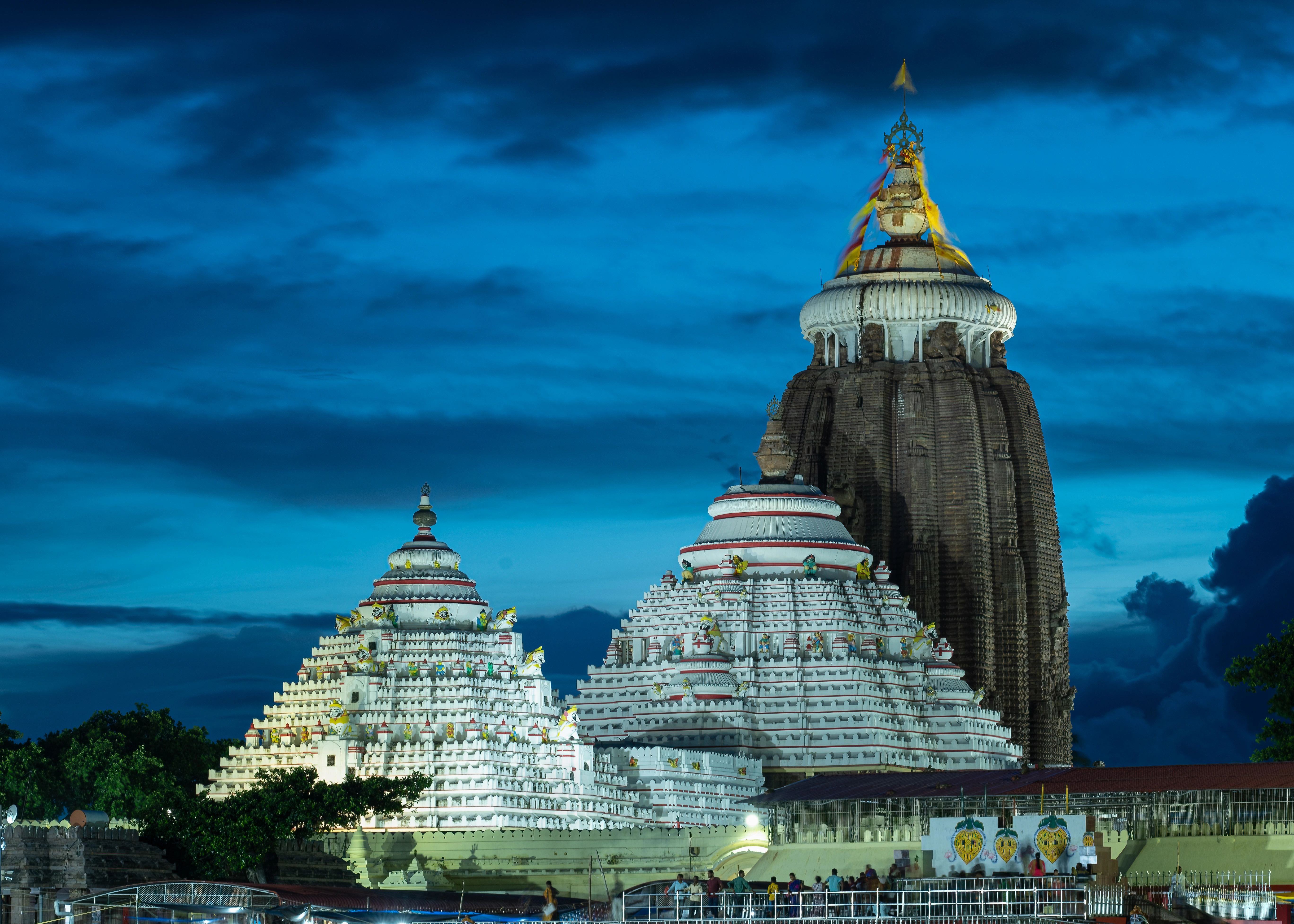
Temples · Tribes · Heritage
Odisha remains one of India's most overlooked regions, yet it holds an unbroken chain of temple architecture, Buddhist heritage and indigenous tribal culture found almost nowhere else on this scale. This 21-day expedition moves far beyond the coastal highlights of Bhubaneswar, Puri and Konark into the remote highlands of southern Odisha and northern Chhattisgarh, where weekly tribal markets still function as they have for generations. It is a journey for travelers who want to go well past the guidebook version of India and encounter a region that has preserved its temples, its rituals and its tribal identities with remarkable continuity.
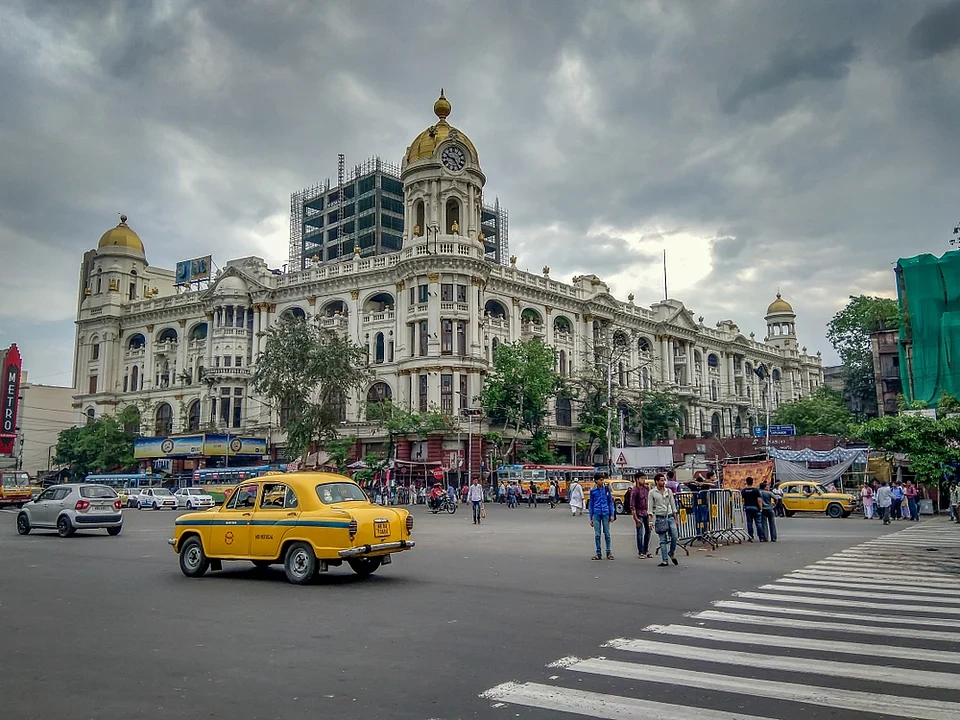
Arrive in Kolkata, the cultural capital of India. You'll be welcomed at the airport and transferred to your hotel (rooms available from noon). Begin your exploration with visits to the lush green Maidan, the grand Victoria Memorial (closed on Mondays), and the Gothic-style Saint Paul's Cathedral. Dinner and overnight stay in Kolkata.
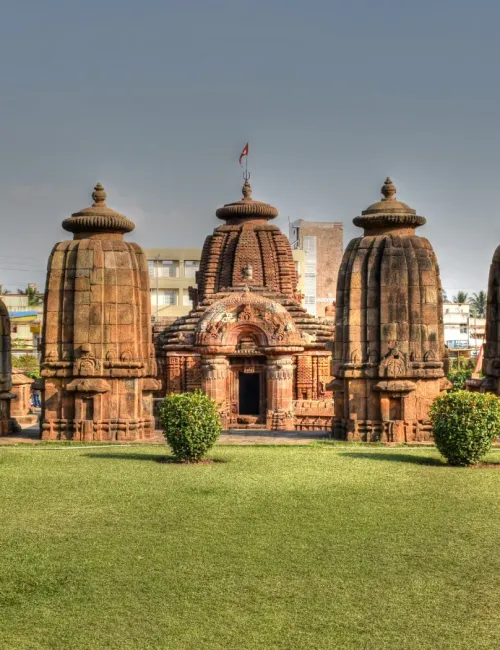
Fly to Bhubaneswar, the capital of Odisha and one of India's most fascinating temple cities. Once the capital of the ancient Kalinga kingdom, Bhubaneswar was said to have more than 7,000 temples built between the 8th and 13th centuries. Visit architectural masterpieces like Parasurameshwar and Mukteshwar temples, and admire the grand Lingaraja Temple from a viewing platform (non-Hindus are not allowed inside). Dinner and overnight stay at the hotel.
After breakfast, visit Nuapatna, a weaving village renowned for its traditional ikat handlooms. Continue to Joranda, a sacred center for the Mahima Dharma sect of Hinduism. Visit the Joranda Gadi Temple, built in the 20th century. Return to Bhubaneswar for dinner and overnight stay.
Explore the famous "Diamond Triangle" of Odisha — Ratnagiri, Udayagiri, and Lalitgiri — ancient Buddhist sites dating from the 2nd century BCE to the 11th century CE. Visit the stupas, monasteries, and sculptures that mark this once-flourishing Buddhist region. Explore the Ratnagiri Museum and admire beautiful Buddha statues and carvings. Return to Bhubaneswar for overnight stay.
After breakfast, visit Dhauli Hill, where Emperor Ashoka renounced war after the Kalinga battle. Continue to Heerapur to see the unique 9th-century Yogini Temple dedicated to the 64 forms of Goddess Durga. Stop at Pipli, famous for colorful appliqué handicrafts, and visit Niali's Sobhaneswar Shiva Temple. Proceed to Konark for overnight stay.
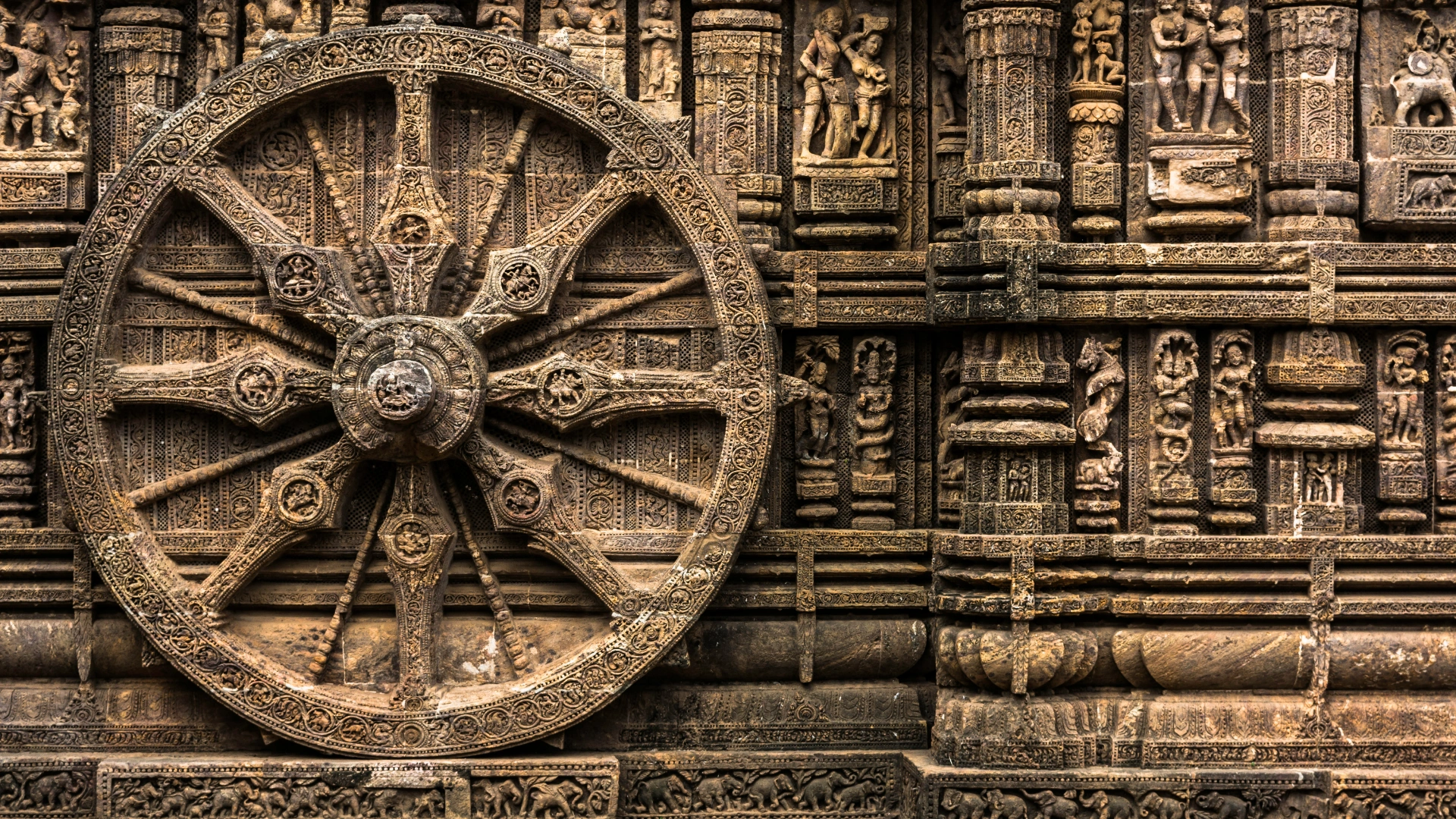
Visit the Sun Temple of Konark, a 13th-century architectural marvel and UNESCO World Heritage Site dedicated to the Sun God Surya. Admire its intricate sculptures and chariot-like structure. Walk along Chandrabhaga Beach and visit nearby fishing villages. Continue to Puri for overnight stay.
Visit the sacred Jagannath Temple, one of the four Char Dham pilgrimage sites of Hinduism. Spend the afternoon at leisure exploring the colorful streets and beaches of Puri. Dinner and overnight stay at the hotel.
Drive to Gopalpur with en route visits to Raghurajpur, a heritage village known for its wall murals and palm leaf engravings. Continue to Chilika Lake for a scenic boat ride among migratory birds. Arrive in Gopalpur, a peaceful coastal retreat. Dinner and overnight stay at the hotel.
Depart for Phulbani, surrounded by lush hills and waterfalls. The region is rich in biodiversity, offering a serene natural escape. Dinner and overnight stay at the hotel.
Drive through picturesque tribal regions en route to Rayagada. Stop in Baliguda to visit Kutia Kondh tribal villages, known for their traditional lifestyles and vibrant markets. Continue to Rayagada for dinner and overnight stay.
Spend the day visiting the Desia Kondh tribal market at Bisamkata, a colorful hub of trade and social life. On the return journey, stop at copper artisan villages. In the afternoon, visit Desia Kondh villages to learn about their unique culture. Dinner and overnight stay at the hotel.
Visit the weekly Chhatikona market, where the Dongria Kondh tribe gathers to trade forest products and handcrafts. Observe their colorful attire and ancient traditions (photography restricted). Return to Rayagada for dinner and overnight stay.
After breakfast, drive to Jeypore. En route, stop at tribal villages to meet artisans specializing in wood and bamboo crafts. Dinner and overnight stay in Jeypore.
Excursion to Onukudeli for the famous Thursday tribal market attended by the Bonda, Gadaba, and Didayee tribes. The Bonda women are easily recognized by their distinctive jewelry and colorful attire. Photography is not permitted. Visit nearby Gadaba hamlets before returning to Jeypore for overnight stay.
Visit the Friday tribal market at Kunduli, where Paroja tribes gather for trade and celebration. Explore nearby Sanaparoja villages before returning to Jeypore for overnight stay.
Visit the Gupteshwar Cave Temple, dedicated to Lord Shiva, then stop at Baligaon for the Dhuruba tribal market. Continue to the weaving village of Kotgarh before driving to Jagdalpur for overnight stay.
Day excursion to Kanger Valley National Park. Walk through teak forests and explore the Kutumsar Caves with their magnificent stalactites and stalagmites. Visit the spectacular Tirathgarh Waterfalls before returning to Jagdalpur. Dinner and overnight stay.
Visit the Chitrakoot Falls, known as the "Niagara of India," with its horseshoe shape. Continue to Kanker, stopping at Kondagaon village to meet metalworkers practicing the traditional lost-wax casting technique. Dinner and overnight stay in Kanker.
Explore Kanker's beautiful temples and surrounding tribal villages. Experience local life and customs in this serene, forested region. Dinner and overnight stay at the hotel.
Drive to Raipur to board your flight to Bhubaneswar or Kolkata. Dinner and overnight stay near the airport.
After breakfast, transfer to the airport for your return flight. End of your incredible journey through Odisha — a land of temples, tribes, and timeless traditions.
Both explore Odisha's temples and tribal south, but this 21-day version adds extra depth — Bhubaneswar's Diamond Triangle Buddhist sites, Nuapatna's weaving villages, Puri's Jagannath Temple, and multiple additional tribal market days in Rayagada and Jeypore.
This itinerary includes several distinct weekly tribal markets — Bisamkata, Chhatikona, Onukudeli (Thursday) and Kunduli (Friday) — each attended by different Adivasi communities such as the Dongria Kondh, Bonda and Paroja.
The Jagannath Temple is one of Hinduism's four Char Dham pilgrimage sites, and is famous for its annual Rath Yatra chariot festival, drawing pilgrims from across India.
Yes, for travelers with the time, this extended pace allows genuinely deep access to Odisha's temple architecture, Buddhist heritage and tribal culture that shorter tours can only sample.
Hotel accommodation on double sharing, private air-conditioned vehicle throughout, daily breakfast, monument entry fees and a professional driver; personal expenses, extra sightseeing, insurance and visa are not included.