Himalayan Serenity: From Darjeeling to Gangtok — 11 Days / 10 Nights
Mountains, Culture, Spirituality — from the colonial charm of Kolkata to the tea gardens of Darjeeling and the monastery-studded valleys of Sikkim.
Mountains, Culture, Spirituality — from the colonial charm of Kolkata to the tea gardens of Darjeeling and the monastery-studded valleys of Sikkim.
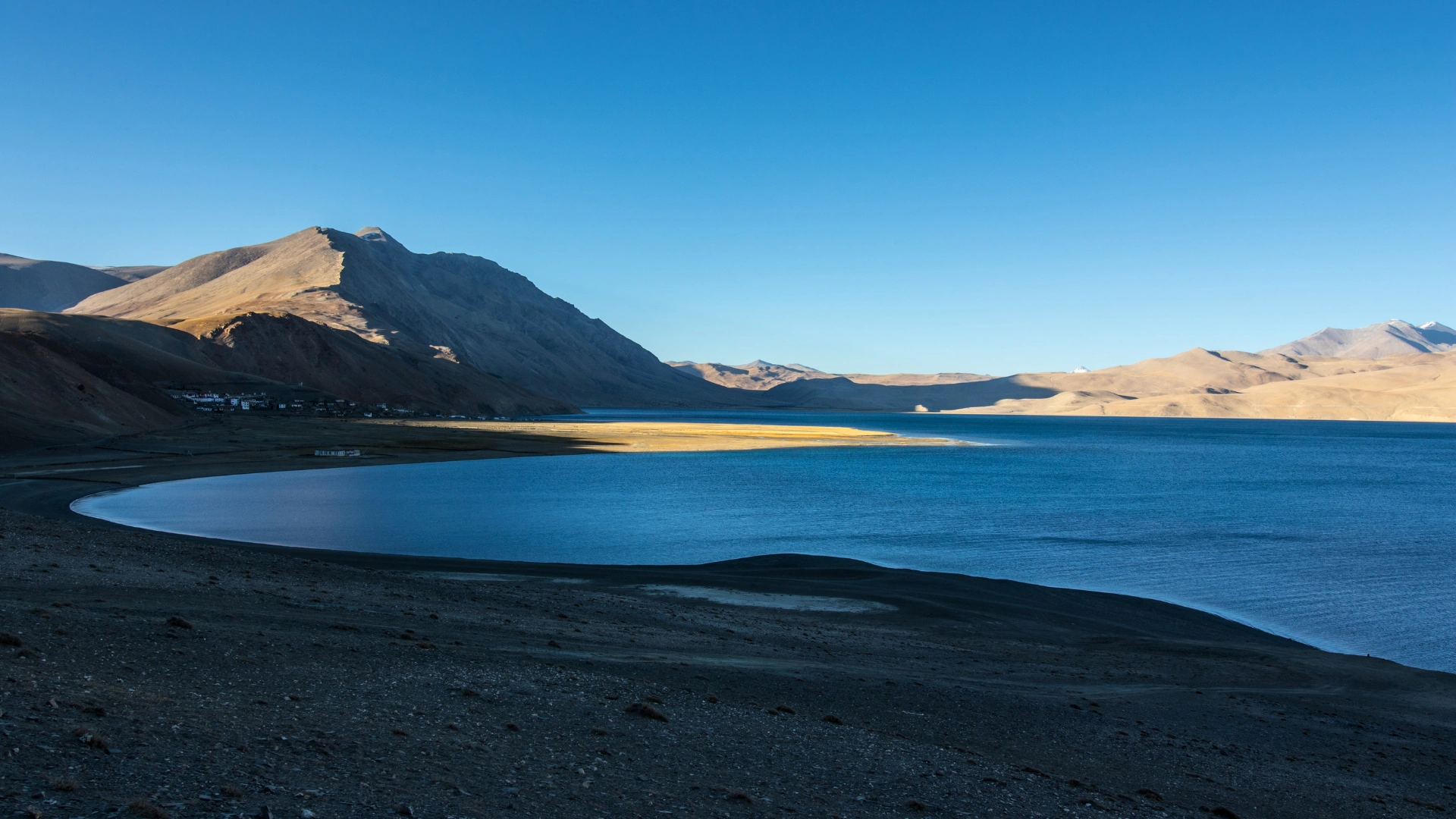
Few regions of India compress as much natural drama and living tradition into eleven days as India's northeast corner. This itinerary threads together the colonial elegance of Kolkata, the misty tea gardens and toy trains of Darjeeling, and the remote monastery villages of Sikkim — a former Buddhist kingdom that only joined the Indian Union in 1975. Along the way you will stand before Kanchenjunga, the world's third-highest peak, sleep in hill towns founded by Tibetan lamas, and walk through markets where Nepali, Lepcha and Bhutia cultures meet. It is one of the most rewarding routes in India for travelers seeking mountains, monasteries and a slower, more contemplative pace.
Arrive in Kolkata, the cultural capital of India. Meet and transfer to your hotel for rest. Overnight stay in Kolkata.
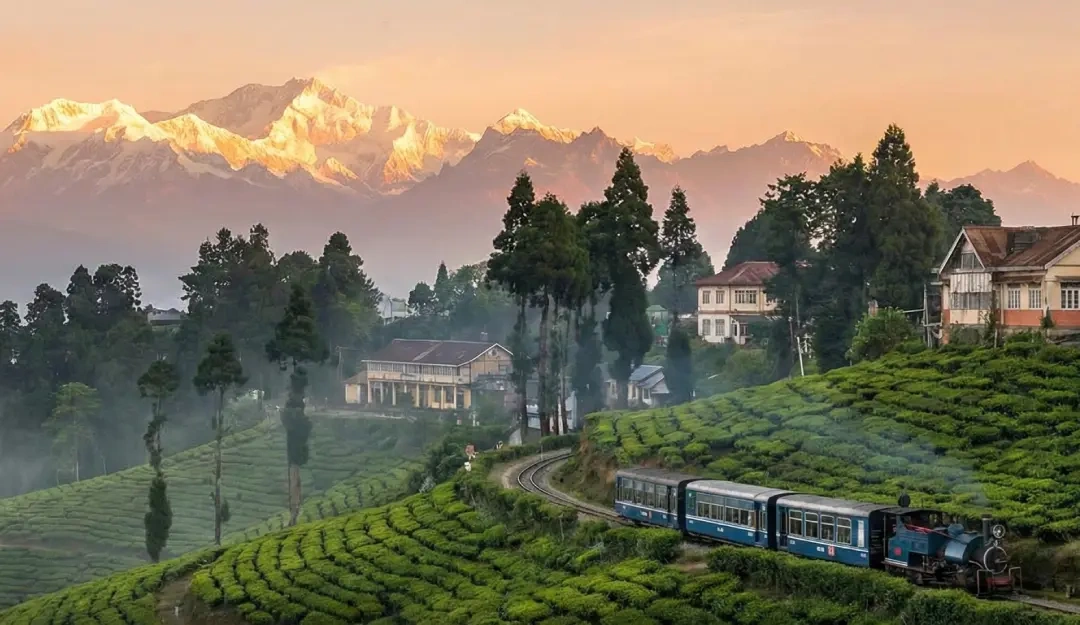
Transfer to the airport for your flight to Bagdogra. On arrival, drive through scenic mountain roads to Darjeeling, the "Queen of the Hills," surrounded by verdant tea gardens and the grandeur of the Himalayas. Overnight stay in Darjeeling.
Early morning excursion to Tiger Hill to witness the sunrise over Mount Kanchenjunga (8,597 m). Later, ride the famous Toy Train (subject to availability) to Ghoom Monastery, home to a grand statue of the Maitreya Buddha. Visit the Rock Garden, Chowk Bazaar, the Himalayan Mountaineering Institute, and the local zoo. Overnight stay in Darjeeling.
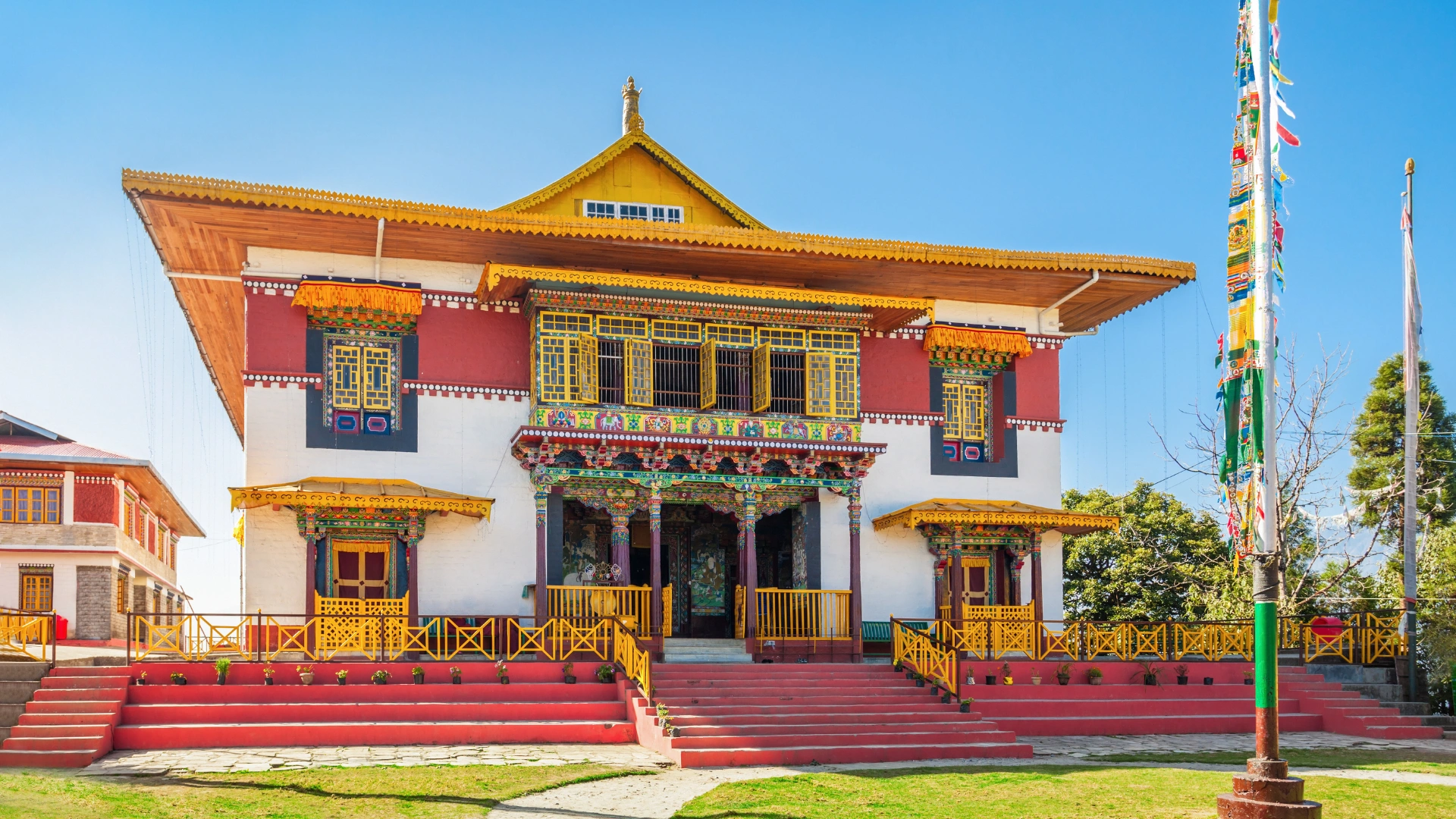
Drive to Sikkim through scenic tea estates and visit a tea factory en route. Arrive in Pemayangtse, a serene hill town with splendid Himalayan views. Visit Pemayangtse Monastery, one of Sikkim's oldest, and the nearby ruins of Rabdentse, the ancient royal capital. End the day at Sanga Choeling Monastery, dating from the 17th century. Overnight stay in Pemayangtse.
Take a day excursion to Yuksum, Sikkim's first capital and the site of the coronation of its first king. Enjoy a scenic walk to the Dubdi Monastery, perched atop a hill amid lush forests. On the return journey, stop at the sacred Kechopalri Lake, revered by Buddhists. Overnight stay in Pemayangtse.
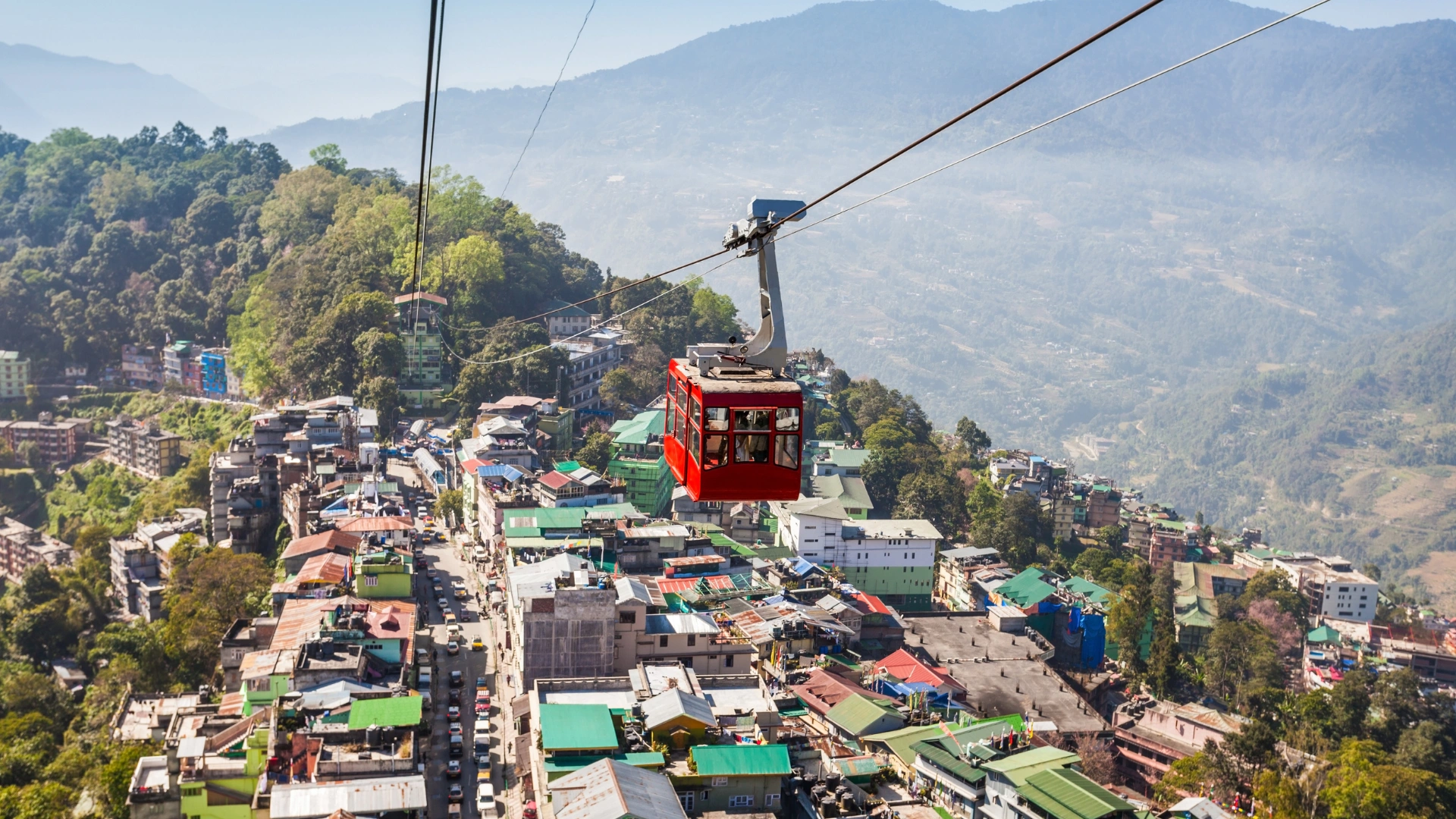
Depart for Gangtok, Sikkim's charming capital. En route, visit the village of Tashiding and walk to its monastery overlooking the valley. Stop at Martham village for a walk through its picturesque rice terraces. Arrive in Gangtok by evening. Overnight stay in Gangtok.
Excursion to Phodong Monastery, an important Buddhist center once visited by Alexandra David-Néel. Stop at Tashi Viewpoint for panoramic Himalayan vistas. In the afternoon, visit the Namgyal Institute of Tibetology, home to rare manuscripts and sacred art, and enjoy free time at Gangtok's lively bazaar. Overnight stay in Gangtok.
Visit the Rumtek Monastery, one of the most important monasteries of Tibetan Buddhism in exile, before driving through forested hills to Kalimpong. Explore the Durpin Dara Monastery for sweeping views of the valley and visit Thongsa Gompa, the oldest monastery in the region. Stroll through Kalimpong's colorful market filled with Nepalese and Bhutanese crafts. Overnight stay in Kalimpong.
Drive back to Bagdogra and fly to Kolkata. Upon arrival, transfer to your hotel. Overnight stay in Kolkata.
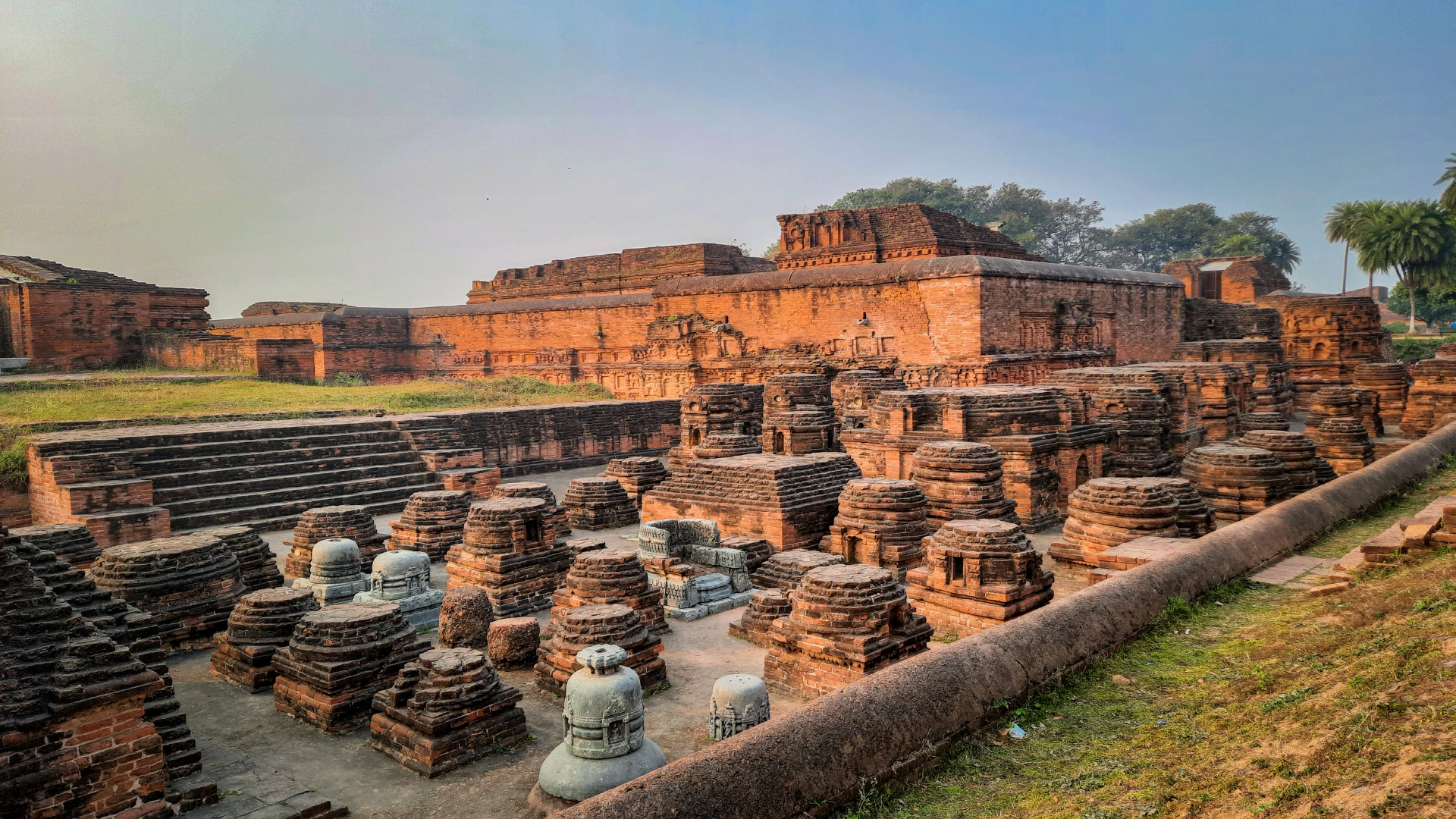
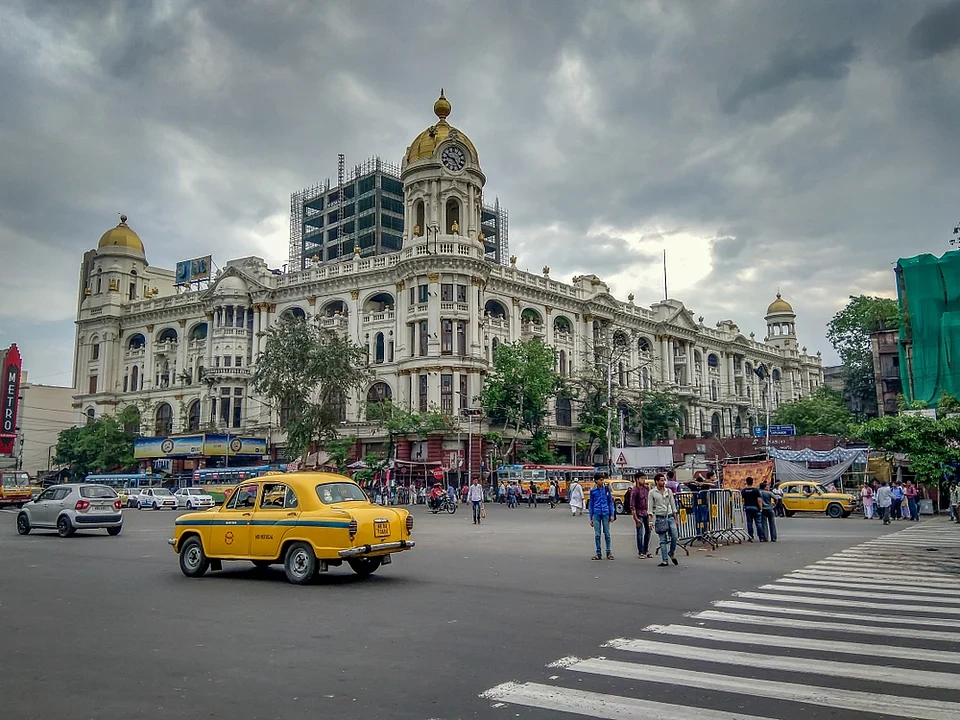
Explore the city's colonial heritage: visit the flower market under Howrah Bridge, the artisans' quarter of Kumartuli, the Marble Palace, and the Indian Museum with its Greco-Buddhist sculptures. Enjoy free time for shopping at New Market. Overnight stay in Kolkata.
Visit the Jain Temple of Shiltanath, Dakshineshwar Temple, and Belur Math across the Hooghly River. Discover the Victoria Memorial and enjoy a break at one of the city's literary cafés before your airport transfer for the return flight to France.
The route is offered year-round, though spring (March–May) and autumn (October–November) give the clearest mountain views for the Tiger Hill sunrise and Kanchenjunga panoramas.
Foreign nationals require an Inner Line Permit to enter Sikkim, which our team arranges as part of trip planning — no separate action is needed from you beyond providing passport details in advance.
A ride on the historic Darjeeling Himalayan Railway ("Toy Train") to Ghoom Monastery is included on Day 3, subject to seasonal availability.
The itinerary covers several of Sikkim's most significant monasteries, including Pemayangtse, Sanga Choeling, Dubdi, Tashiding, Phodong and Rumtek, alongside Ghoom Monastery near Darjeeling.
No strenuous trekking is required; sightseeing involves short walks and scenic drives through hill roads, making it suitable for most fitness levels, though altitude and winding roads should be considered for travelers with health concerns.