5 days
Delhi · Agra · Jaipur
Rajasthan, Royal, Culture, Heritage — forts, palaces and the golden Thar Desert across ten unforgettable days.
From the colourful frescoes of Shekhawati to the white marble splendour of the Taj Mahal, from golden Jaisalmer to blue Jodhpur and pink Jaipur, this journey through Rajasthan is a feast for the senses. It goes beyond the Golden Triangle's classic three cities to reach deep into the desert heartland — mighty forts, camel treks under desert stars, and market towns still ruled by their painted havelis and merchant legacies. A kaleidoscope of colour, tradition and royal history awaits at every stop.
Arrive in Delhi in the evening and transfer to your hotel. Take some time to rest and prepare for the colorful adventure ahead in the Land of Kings.
Overnight stay in Delhi.
After breakfast, explore the bustling capital of India — Delhi. Visit Old Delhi's lively streets by rickshaw, stopping at the magnificent Jama Masjid Mosque, and discover New Delhi's landmarks such as India Gate, Connaught Place, and Qutub Minar. Then drive to Shekhawati, a region famous for its frescoed havelis and merchant mansions from the 18th and 19th centuries.
Dinner and overnight stay at a heritage haveli in Shekhawati.
Visit the beautifully painted havelis of Mandawa before departing for Bikaner, a desert city surrounded by massive ramparts. Explore Junagarh Fort, built in the 16th century by Raja Rai Singh, known for its intricate palaces and temples. Take a tuk-tuk ride through the old bazaar and visit a Jain temple.
Overnight stay in Bikaner.
Drive across the vast Thar Desert to Jaisalmer, the "Golden City," famous for its yellow sandstone fort rising majestically from the sands. In the evening, enjoy sunset views from the royal cenotaphs (chhatris) — a poetic tribute to the city's princely past.
Overnight stay in Jaisalmer.
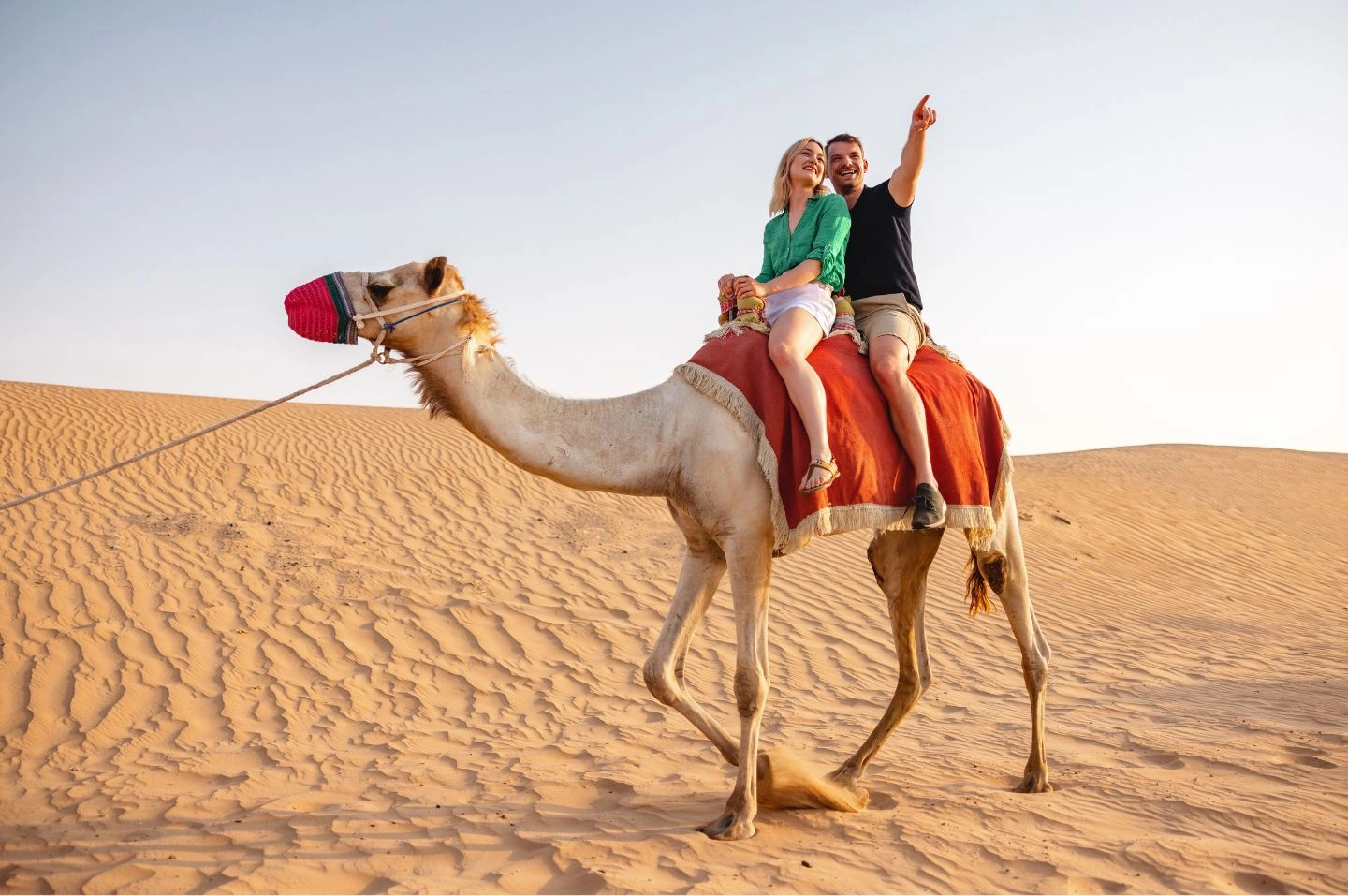
After breakfast, visit Gadisar Lake, Jaisalmer Fort, ornate havelis, and the ancient Jain temples. In the late afternoon, experience a camel ride in the Thar Desert and watch the sunset over the dunes — a truly unforgettable sight.
Dinner and overnight stay at the hotel.
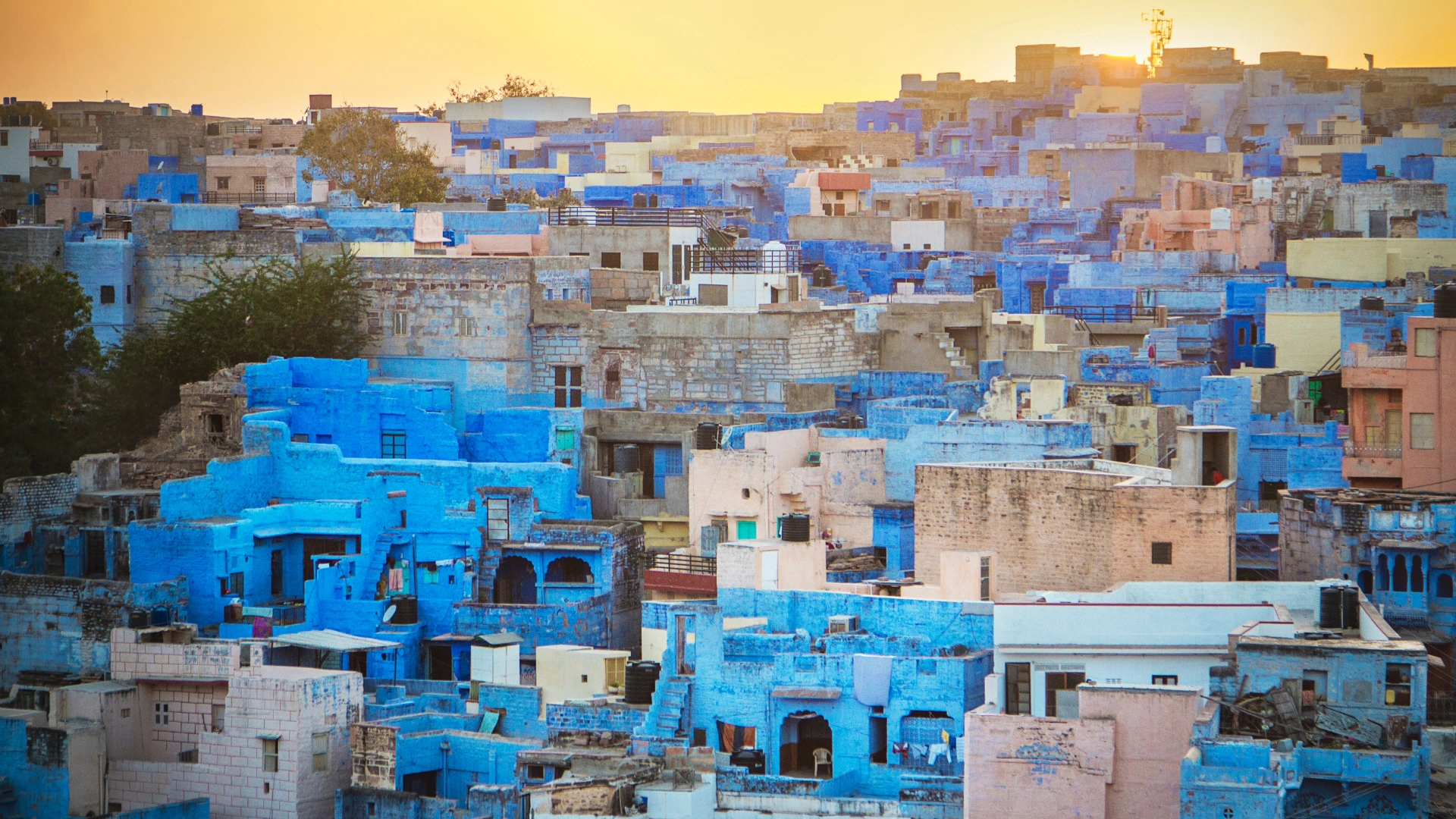
Drive to Jodhpur, the "Blue City," dominated by the majestic Mehrangarh Fort. Visit the fort's palaces and museums, followed by the marble cenotaph Jaswant Thada. Stroll through the lively old bazaar and admire the city's vibrant blue houses.
Dinner and overnight stay in Jodhpur.
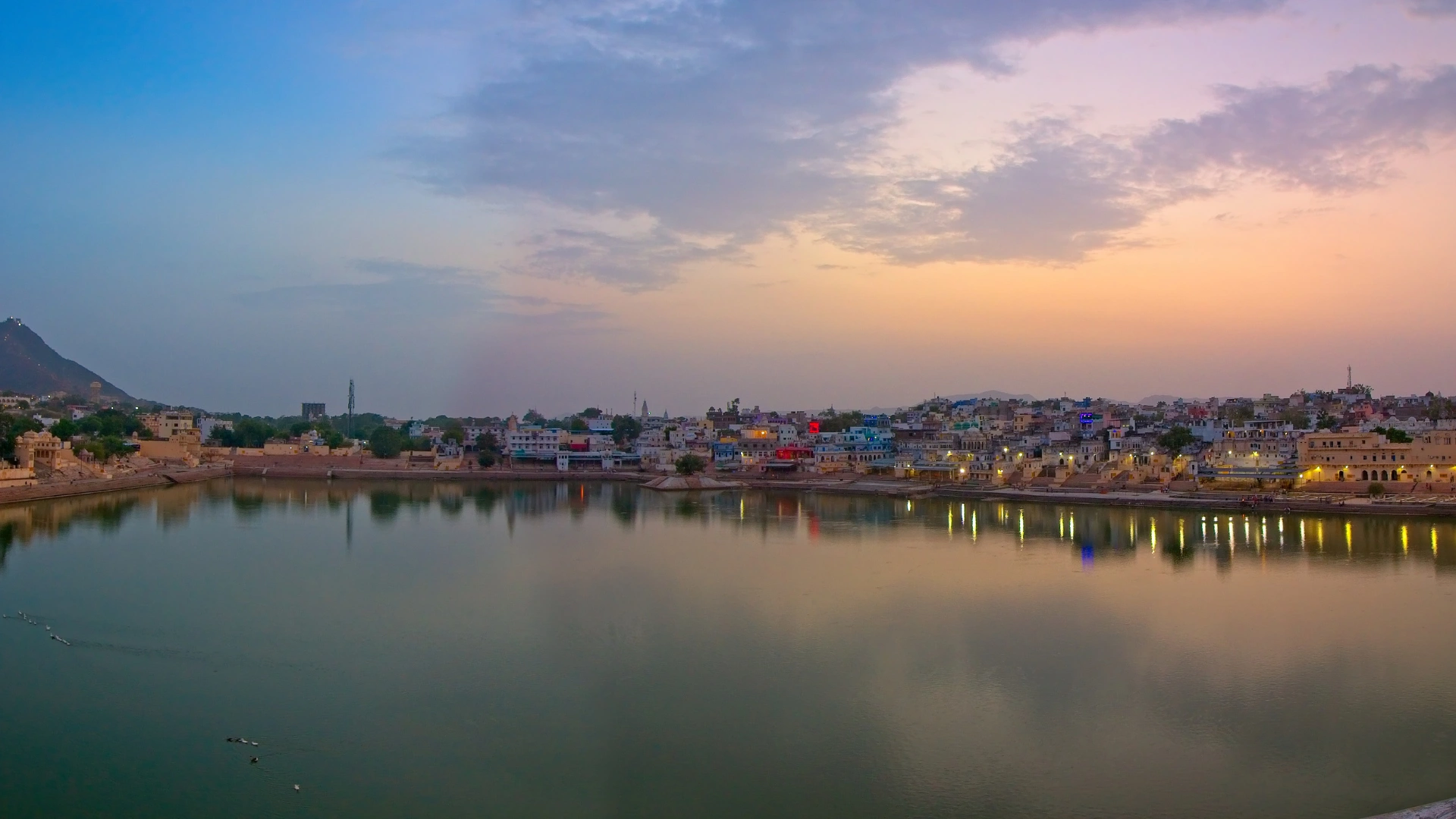
Depart for Pushkar, a sacred town dedicated to Lord Brahma. Visit the holy lake and Brahma Temple before continuing to Jaipur, the "Pink City." In the evening, visit the Birla Temple, a modern marble sanctuary dedicated to Vishnu and Lakshmi.
Overnight stay in Jaipur.
Begin your day with a visit to Amber Fort, a majestic 16th-century fortress overlooking Maota Lake. Stop en route at the Hawa Mahal (Palace of Winds), Jaipur's iconic honeycomb façade. Back in the city, visit the royal City Palace complex, still home to Jaipur's Maharaja, and the Jantar Mantar astronomical observatory, built in the 18th century by Maharaja Jai Singh II. End the day with a cyclo-rickshaw ride through Jaipur's bustling old streets.
Dinner and overnight stay.
Drive to Agra, stopping en route to explore Fatehpur Sikri, Emperor Akbar's deserted capital and a UNESCO World Heritage Site. Visit its mosque, palaces, and the tomb of Sheikh Salim Chishti. Continue to Agra, home of the Taj Mahal, and check in at your hotel.
Dinner and overnight stay in Agra.
Early morning visit to the Taj Mahal, the eternal symbol of love built by Emperor Shah Jahan for his wife Mumtaz Mahal. Continue to visit Agra Fort, another UNESCO site known for its impressive red sandstone architecture and views of the Taj Mahal. Drive back to Delhi in the evening. Rooms available for rest before your night transfer to the airport for your return flight to France.
Return flight to France.


This shorter itinerary covers the same signature forts and cities — Shekhawati, Bikaner, Jaisalmer, Jodhpur, Pushkar, Jaipur and Agra — at a faster pace, omitting Udaipur, Chittorgarh and Bundi to fit a 10-day window.
Yes, the Jaisalmer stop includes time in the Thar Desert around Gadisar Lake, with the option of a camel excursion into the dunes.
Jantar Mantar is a UNESCO World Heritage astronomical observatory built by Maharaja Jai Singh II in the 1720s-30s, and it is one of five such observatories he constructed across India, with Jaipur's the largest and best preserved.
Pricing is provided on request based on hotel category and travel dates — our team replies with a tailor-made quote within 24 hours of your enquiry.
Yes, Tour En Inde provides certified multilingual driver-guides, including French speakers, throughout this Rajasthan circuit.