Ajanta and Ellora Caves: India's Rock-Cut UNESCO Wonders
Ajanta and Ellora, timeless marvels of rock-cut art, echo the spiritual grace and artistic brilliance that shaped India's ancient soul.
Ajanta and Ellora, timeless marvels of rock-cut art, echo the spiritual grace and artistic brilliance that shaped India's ancient soul.
Ajanta and Ellora, timeless marvels of rock-cut art, echo the spiritual grace and artistic brilliance that shaped India's ancient soul.
The Ajanta and Ellora Caves, located near Aurangabad in Maharashtra, are among India's greatest treasures of art, faith, and history. Carved into rugged cliffs, these ancient rock-cut monuments showcase over two millennia of Buddhist, Hindu, and Jain heritage. Adorned with intricate sculptures and mesmerizing frescoes, the caves stand as a testament to India's artistic brilliance and spiritual depth. A journey through Ajanta and Ellora is a walk through time — where stone walls come alive with stories of devotion and creativity.
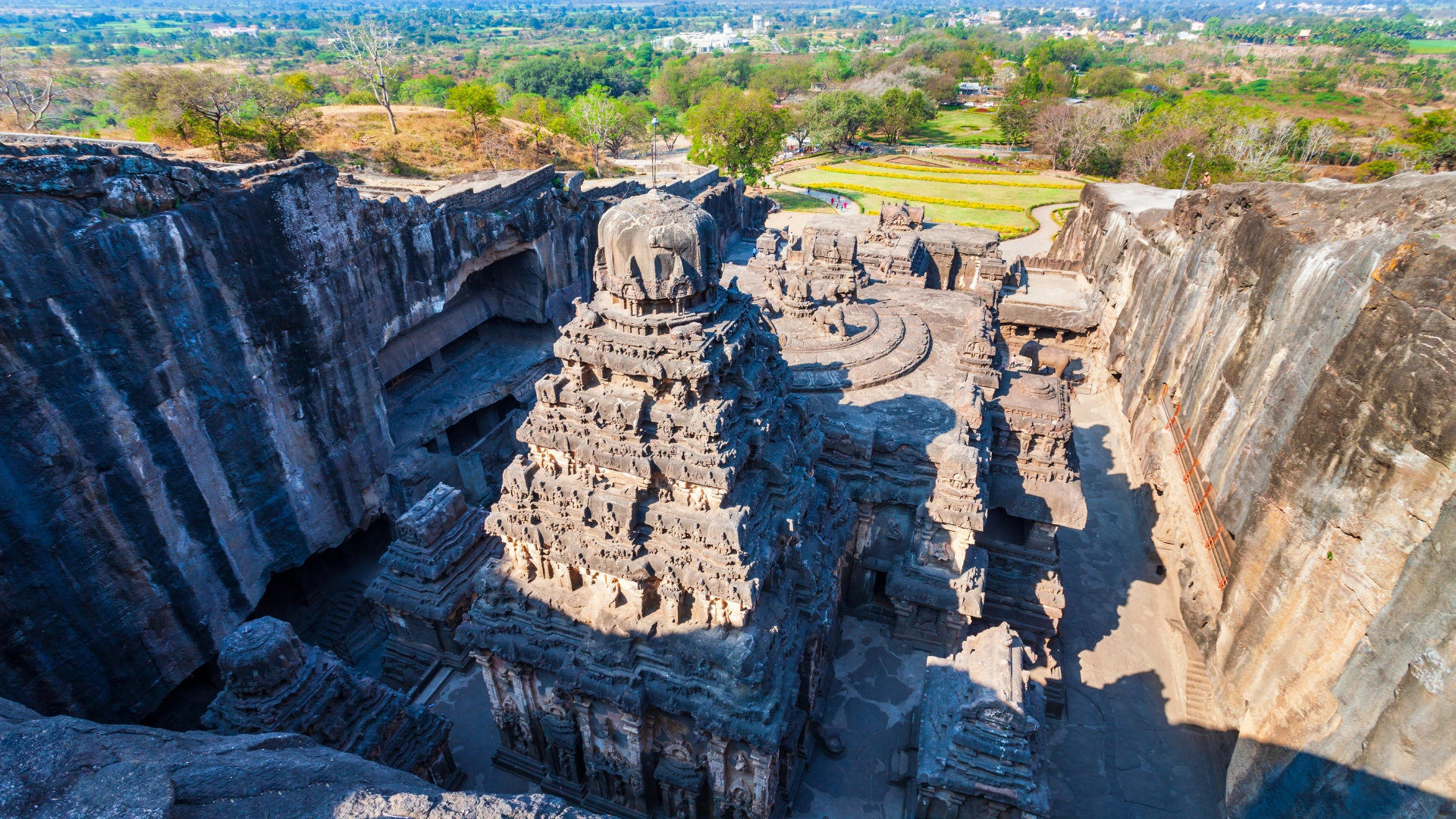
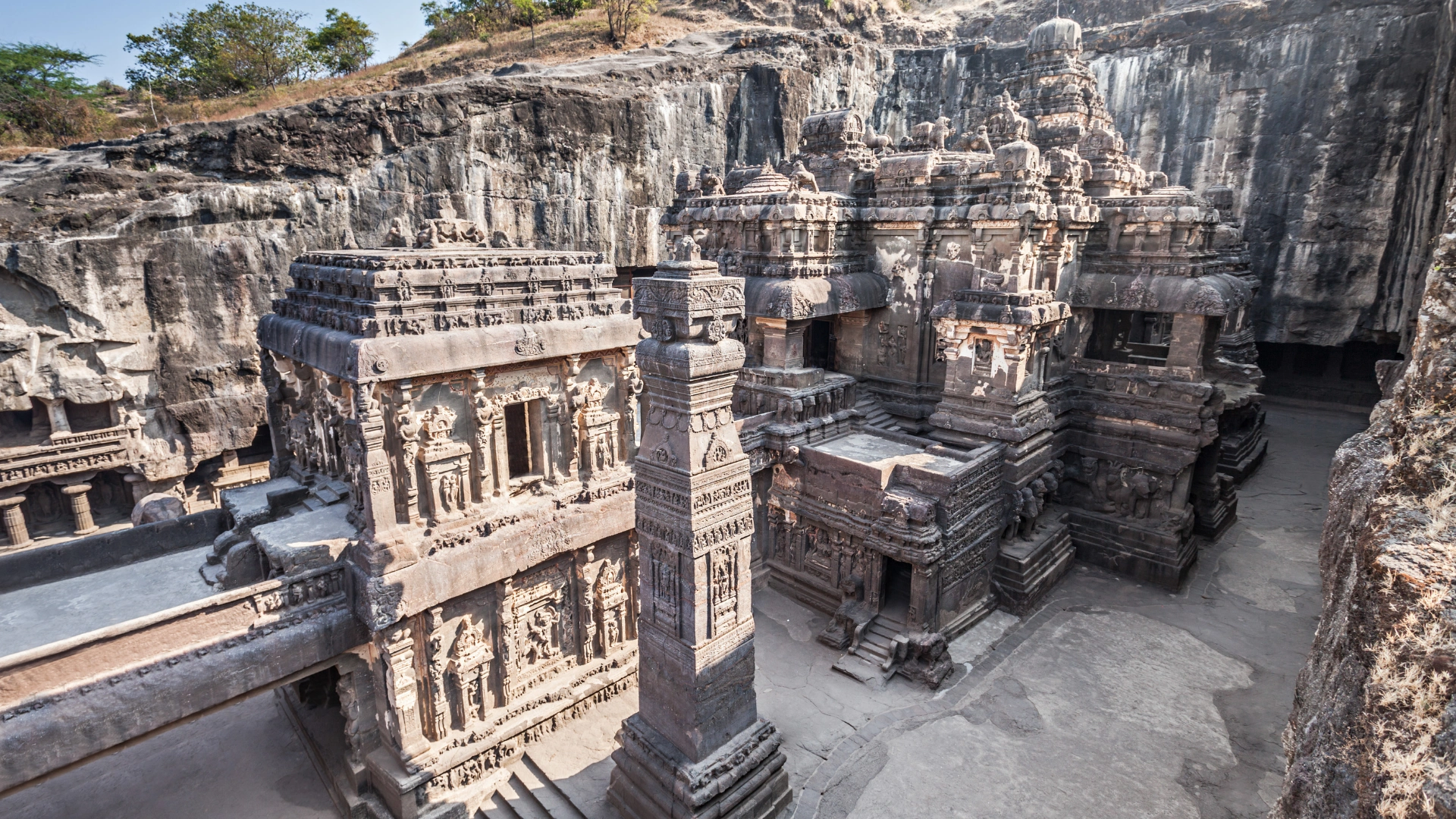
Carved between the 2nd century BCE and 10th century CE, Ajanta's 30 caves were rediscovered by chance in 1819 by a British officer during a tiger hunt, having lain hidden and forgotten in the jungle for nearly a thousand years. Ellora's Kailasa Temple, dedicated to Shiva, was carved top-down out of a single rock face — an estimated 200,000 tonnes of rock were removed by hand, making it one of the most astonishing feats of ancient engineering on Earth. Uniquely, Ellora's 34 caves represent three faiths — Buddhism, Hinduism, and Jainism — built side by side over centuries, reflecting an era of remarkable religious coexistence. Both sites are UNESCO World Heritage Sites and together form one of the most important troves of ancient Indian art and architecture anywhere in the world.
The Ajanta Caves, dating back to the 2nd century BCE, are celebrated for their exquisite murals and Buddhist carvings depicting scenes from the life of the Buddha. Hidden in a horseshoe-shaped gorge along the Waghora River, these caves transport visitors into a serene world of spiritual art. About 100 kilometers away, the Ellora Caves showcase a stunning fusion of Buddhist, Hindu, and Jain architecture, with 34 rock-cut shrines carved between the 6th and 10th centuries CE. The highlight, the Kailasa Temple, is a marvel of engineering — carved entirely from a single rock and dedicated to Lord Shiva.
Recognized as UNESCO World Heritage Sites, Ajanta and Ellora represent the pinnacle of India's ancient craftsmanship. The caves reflect not only religious devotion but also the cultural evolution of art and architecture over centuries. Visitors can explore the monasteries, prayer halls, and temples that once thrived as centers of learning and meditation. Local guides and museums nearby offer deep insights into the symbolism, artistry, and stories behind each carving and mural — bringing to life the vision of monks and artisans who shaped these masterpieces.
Dining around Ajanta and Ellora is a mix of local Maharashtrian flavors and simple vegetarian meals inspired by the region's traditions. Try Pithla Bhakri, Vada Pav, and Poha at nearby eateries, or enjoy thalis featuring local curries, rice, and lentils. In Aurangabad, travelers can savor authentic Mughlai delicacies such as Naan Qalia and Tandoori Kebabs, a legacy of the city's royal past. Cool off with traditional drinks like buttermilk or solkadhi after exploring the sun-drenched caves.
Begin your exploration at the Ajanta Caves to admire the ancient murals depicting the Jataka tales — stories of the Buddha's previous lives. At Ellora, marvel at the colossal Kailasa Temple, and explore the Buddhist and Jain caves for their intricate carvings and spiritual serenity. Visit Daulatabad Fort and Bibi Ka Maqbara in nearby Aurangabad to extend your heritage journey. Photography enthusiasts will find endless inspiration in the interplay of light and shadow that dances across the stone facades.
Aurangabad serves as the ideal base for exploring both Ajanta and Ellora, offering a range of accommodations from heritage hotels and luxury resorts to comfortable mid-range stays. Many properties feature colonial architecture and lush gardens that provide a relaxing atmosphere after a day of sightseeing. The Tour En Inde team handpicks stays that offer comfort, cultural character, and proximity to the sites, ensuring a memorable and insightful travel experience.
Ajanta and Ellora are well connected by road from Aurangabad, which also has an airport and railway station linking it to major cities like Mumbai and Pune. Local taxis, guided tours, and private vehicles make exploring convenient and comfortable. The Tour En Inde team arranges private transfers, professional guides, and heritage tours, ensuring travelers experience the caves' historical and spiritual grandeur in depth and ease.
Speak to our specialists about including Ajanta and Ellora Caves in your itinerary.
Get A Quote Call +91 98710 96042Ajanta's caves are mainly Buddhist, famed for painted murals depicting the Jataka tales, while Ellora's 34 caves represent Buddhism, Hinduism, and Jainism side by side, including the monolithic Kailasa Temple.
Most travelers allow two days from Aurangabad — one for Ajanta and one for Ellora — since the sites are about 100 km apart.
It was carved top-down from a single rock face, with an estimated 200,000 tonnes of stone removed by hand, making it one of the most remarkable feats of ancient engineering on Earth.
A British officer stumbled upon them by chance in 1819 during a tiger hunt, after the caves had lain hidden in the jungle for nearly a thousand years.
Aurangabad has its own airport and railway station, both well connected to Mumbai and Pune, making it the ideal base for visiting both cave complexes.