10 days
Royal · Culture · Heritage
Culture, Heritage, Wildlife — ancient Indus Valley ruins, royal palaces, sacred temples, tribal villages and the last wild Asiatic lions.
Gujarat rarely makes a first-time visitor's itinerary, yet it holds one of the densest concentrations of history, craft and nature anywhere in India: a 4,500-year-old Indus Valley port, a UNESCO stepwell, the country's only population of wild Asiatic lions, a desert of salt stretching to the horizon, and tribal communities whose embroidery and metalwork are collected in museums worldwide. This 13-day circuit through Saurashtra and Kutch strings all of it together — palaces still lived in by royal families, artisan villages reachable only by dirt track, and landscapes that shift from mangrove coast to white desert within a day's drive.
Arrive early morning in Ahmedabad, one of India's oldest and most vibrant cities, founded in the 15th century by Sultan Ahmad Shah. After a short rest at the hotel, explore the old walled city with its carved wooden havelis and narrow alleys known as pols. Then drive to Bhavnagar, stopping en route at Lothal, an ancient Indus Valley site dating back over 4,500 years. Overnight stay in Bhavnagar.
After breakfast, drive to Palitana, one of Jainism's holiest pilgrimage centers. Climb 3,500 steps (sedan chair available for hire) to reach the Shatrunjaya Hill temples — a magnificent complex of marble sanctuaries built between the 11th and 16th centuries. Spend the day exploring this spiritual mountain and enjoy the breathtaking views before returning for dinner and overnight stay.
Depart for Diu, a charming island and former Portuguese settlement known for its relaxed seaside atmosphere. On arrival, enjoy a leisurely walk along the waterfront and experience the island's coastal charm. Dinner and overnight stay at the hotel.
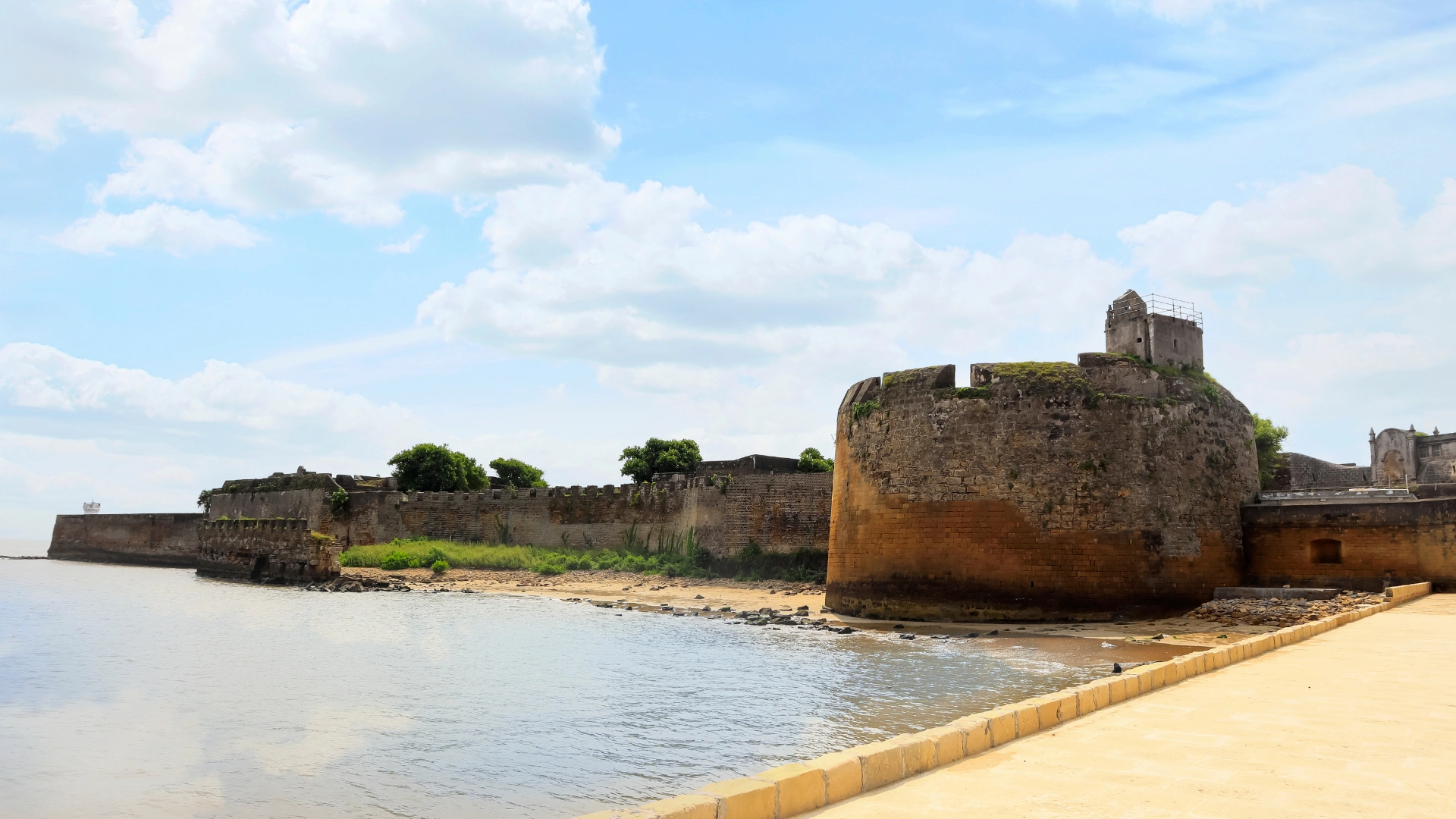
Enjoy a relaxing day on Diu Island. Visit the lively fish market, the ancient Portuguese churches, and the impressive Diu Fort overlooking the Arabian Sea. Spend the afternoon cycling through coastal villages or simply relax on the golden beaches. Dinner and overnight stay at the hotel.
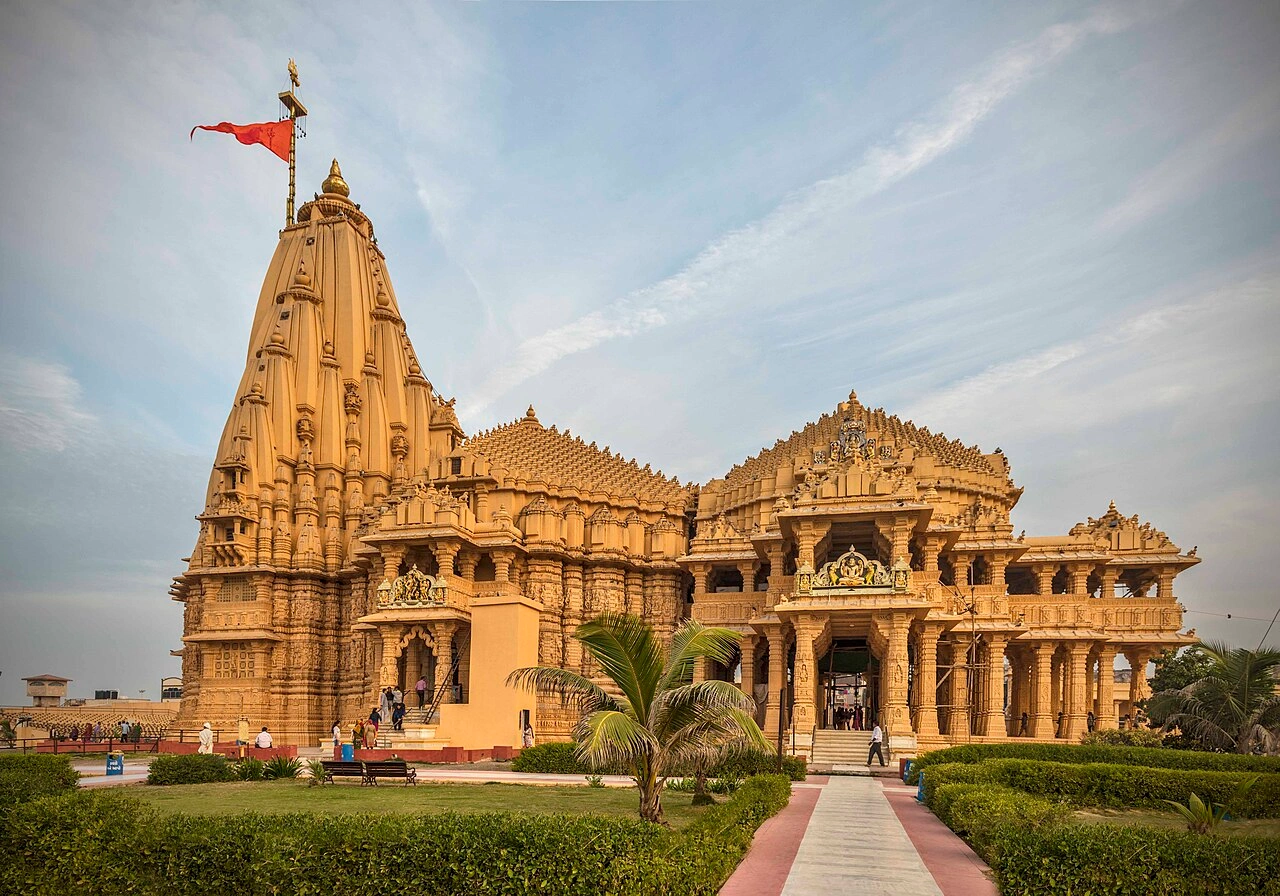
Drive to Gir National Park with a stop at Somnath, one of the twelve Jyotirlinga shrines dedicated to Lord Shiva. The temple, situated by the sea, has been rebuilt several times through history. Continue to Gir Park for a jeep safari and visit the nearby crocodile breeding center. Overnight stay in a riverside camp near Gir — the only habitat of Asiatic lions.
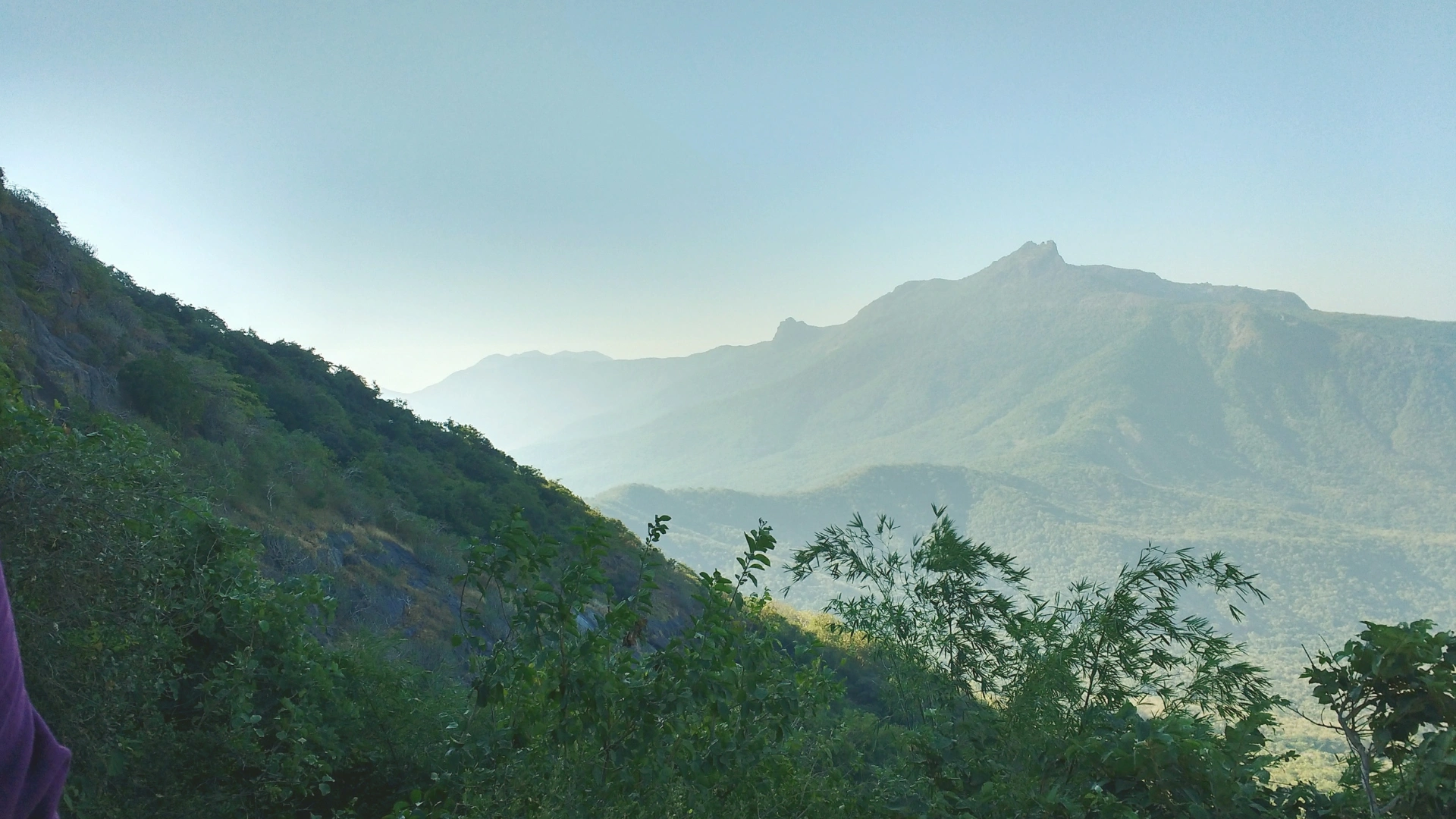
After an early morning safari in Gir, drive to Junagadh, a historic town at the foot of Mount Girnar. Visit the ornate mausoleums of the Nawabs, the ancient Uparkot Fort, and Ashoka's rock edict. Continue to Gondal to visit the Naulakha Palace, known for its carved balconies and rich royal artifacts. Stay at the Riverside Palace, still occupied by the royal family. Dinner and overnight stay.
Drive to Rajkot, where Mahatma Gandhi spent part of his childhood. Visit his ancestral home and school. Continue to Wankaner, a former princely state, to visit the 19th-century palace, vintage car collection, and stud farms of the famous Kathiawari horses. Proceed to Mandvi, a coastal town, for dinner and overnight stay.
Visit the Vijay Vilas Palace, the summer residence of the royal family of Kutch, set amidst scenic gardens and overlooking a private beach. Then drive to Bhuj, the capital of Kutch. Upon arrival, complete formalities for village visits. Explore Aina Mahal (Palace of Mirrors), Prag Mahal, and the Kutch Museum (closed on Wednesdays). Stroll through Bhuj's colorful bazaars. Overnight stay in Bhuj.
Full-day excursion to the Banni region, known for its vibrant tribal villages and traditional crafts. Visit the Khamir Craft Center, followed by artisan villages like Sumrasar, Nirona, Bhirandiya, and Dhordo. Meet local communities renowned for their embroidery, bell-making, and block printing. Return to Bhuj for overnight stay.
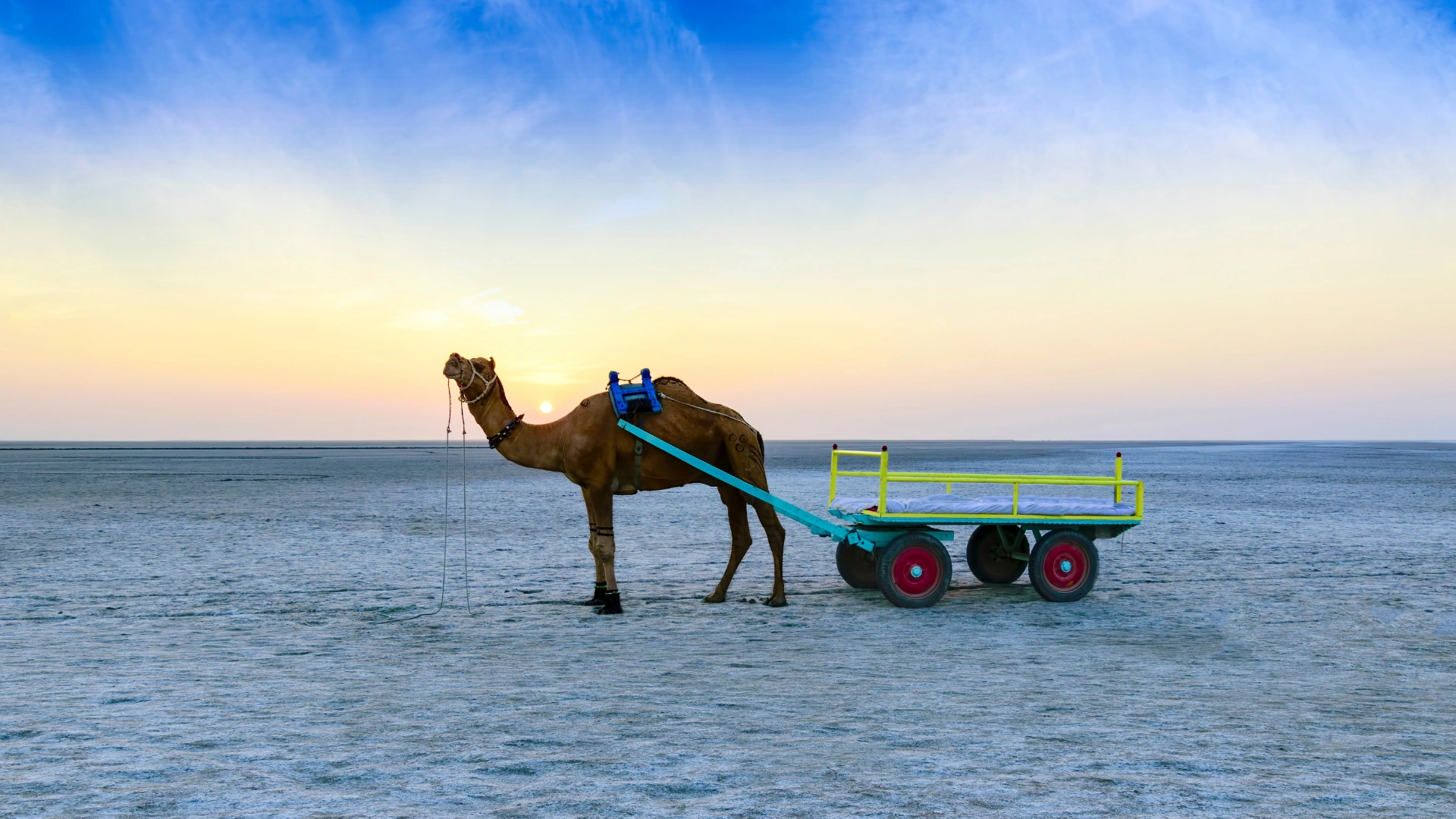
Take a scenic drive across the Great Rann of Kutch to Dholavira, an ancient archaeological site of the Indus Valley Civilization. Explore the ruins, ancient water systems, and excavated artifacts. Pass through villages with beautifully painted mud houses on your way back to Bhuj. Dinner and overnight stay.
Drive to Dasada, gateway to the Little Rann of Kutch. Enjoy a jeep safari to spot the region's famous wild asses (gudkhur), antelopes, desert foxes, and migratory birds. Visit Rabari and Vadiara shepherd villages and see their embroidery and salt-harvesting traditions. Overnight stay in Dasada.
Drive to Patan, the ancient capital of the Solanki dynasty. Visit the Rani ki Vav stepwell, a UNESCO World Heritage Site, and the last surviving workshop weaving the famous double-ikat patola saris. Continue to Modhera to visit the 11th-century Sun Temple dedicated to Surya. Proceed to Ahmedabad for dinner and overnight stay.
Enjoy a morning walk through Ahmedabad's old quarters, admiring the Indo-Islamic architecture of the Sidi Saiyad Mosque and Jama Masjid. Visit Adalaj Stepwell and the Calico Museum, housing India's finest textile collection (closed on Wednesdays). In the evening, transfer to the airport for your return flight.
Gujarat offers a different mix — Indus Valley archaeology, the only wild population of Asiatic lions, Jain pilgrimage architecture, tribal craft villages and Indo-Portuguese coastal towns — that most first-time India itineraries skip entirely.
Yes, Gir National Park, the only place on earth with wild Asiatic lions outside Africa, is included with a jeep safari as part of the itinerary.
Both are major archaeological sites of the Indus Valley Civilization, dating back over 4,000 years — Lothal for its ancient dockyard, and Dholavira, a UNESCO World Heritage Site, for its sophisticated water-management engineering.
Kutch is renowned for its tribal embroidery, bell-making and block-printing villages, the vast white salt desert of the Rann, and the endangered Indian wild ass found only in the nearby Little Rann sanctuary.
Yes, it is specifically designed to balance wildlife experiences at Gir and the Little Rann of Kutch with heritage sites, temples and artisan villages across the state.