Lachung & Yumthang Valley: Sikkim's Valley of Flowers
Lachung and Yumthang Valley, Sikkim's "Valley of Flowers," enchant with alpine meadows, snow-draped peaks, and the tranquil beauty of the Himalayas in bloom.
Lachung and Yumthang Valley, Sikkim's "Valley of Flowers," enchant with alpine meadows, snow-draped peaks, and the tranquil beauty of the Himalayas in bloom.
Lachung and Yumthang Valley, Sikkim's "Valley of Flowers," enchant with alpine meadows, snow-draped peaks, and the tranquil beauty of the Himalayas in bloom.
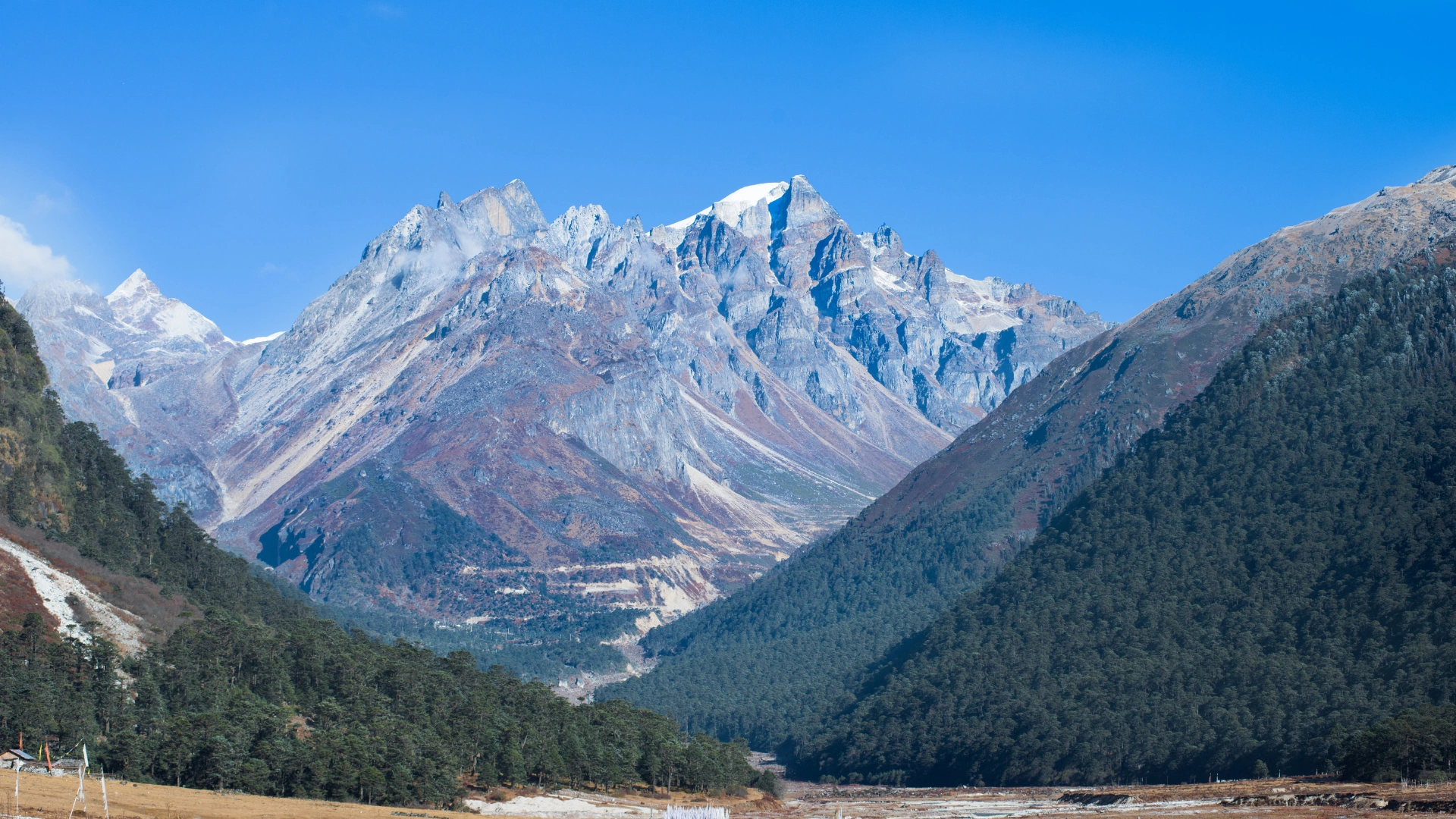
Lachung and the Yumthang Valley, often called the "Valley of Flowers," are among the most enchanting destinations in North Sikkim. Nestled in the lap of the Eastern Himalayas, these pristine valleys are blessed with snow-capped peaks, alpine meadows, and crystal-clear rivers. Lachung, a picturesque mountain village at an altitude of 8,600 feet, serves as the gateway to the stunning Yumthang Valley. Together, they form a paradise of natural beauty and peace — where every view feels like a painting touched by heaven.
Lachung village, inhabited by the Lachungpa community, has for centuries followed the Dzumsa, a unique traditional self-governance system still in active use today to manage local grazing, farming, and disputes without formal state intervention. The Yumthang Valley's Shingba Rhododendron Sanctuary protects over 24 species of rhododendron, Sikkim's state flower, blooming in a phenomenon so vivid it earned the valley its "Valley of Flowers" nickname. Its proximity to Zero Point, just a few kilometers from the Indo-China border, places the valley within a historically sensitive Himalayan frontier that only opened to tourism in the 1990s. Visiting Lachung offers a rare combination of untouched alpine ecology and a living indigenous governance tradition found almost nowhere else in India.
Lachung charms visitors with its wooden homes, blooming apple orchards, and the gentle flow of the Lachung River. The Yumthang Valley, located about 25 kilometers away, is known as Sikkim's own Valley of Flowers, where rhododendrons, primulas, and poppies blanket the landscape in spring. The Shingba Rhododendron Sanctuary is a must-visit for nature lovers. During winter, Yumthang transforms into a snowy wonderland with frozen streams and sparkling white meadows. For a more adventurous touch, head to Zero Point (Yumesamdong), where the roads end and the snow begins — a breathtaking spectacle near the Indo-China border.
Lachung is not just about natural beauty but also cultural depth. The Lachung Monastery, overlooking the village, offers a glimpse into the region's Buddhist traditions and peaceful rhythm of life. The village itself is home to the Lachungpa people, known for their warmth and simple Himalayan lifestyle. Visitors can experience local customs, traditional food, and folk music during village festivals. The harmonious coexistence of nature and culture here leaves travelers with a profound sense of serenity.
In Lachung, the cuisine is as heartwarming as the views. Savor local Sikkimese dishes like Thukpa, Momos, Gyathuk, and Phagshapa — comforting meals ideal for the chilly mountain air. Freshly brewed tea and butter tea are local favorites, keeping you warm amid the cold winds. Most guesthouses and small cafés serve simple, wholesome food prepared with local ingredients, while offering cozy dining with mountain views that soothe the soul.
Start your journey with a visit to the Lachung Monastery, then drive through scenic pine forests toward the Yumthang Valley. Stop at Shingba Rhododendron Sanctuary if visiting in spring, when the valley bursts into a riot of colors. Continue to Zero Point to experience snow and dramatic Himalayan vistas. Photographers will find endless inspiration in the changing hues of the valley, from lush greens to pure whites. In summer, take leisurely walks through alpine meadows; in winter, enjoy snow play and peaceful silence under the peaks.
Lachung offers charming mountain lodges, eco-resorts, and homestays that blend comfort with local character. Many accommodations feature traditional wooden interiors and offer mesmerizing views of snow-covered peaks. The Tour En Inde team handpicks stays that combine warmth, comfort, and scenic beauty — ensuring travelers experience the authentic Himalayan lifestyle in cozy surroundings.
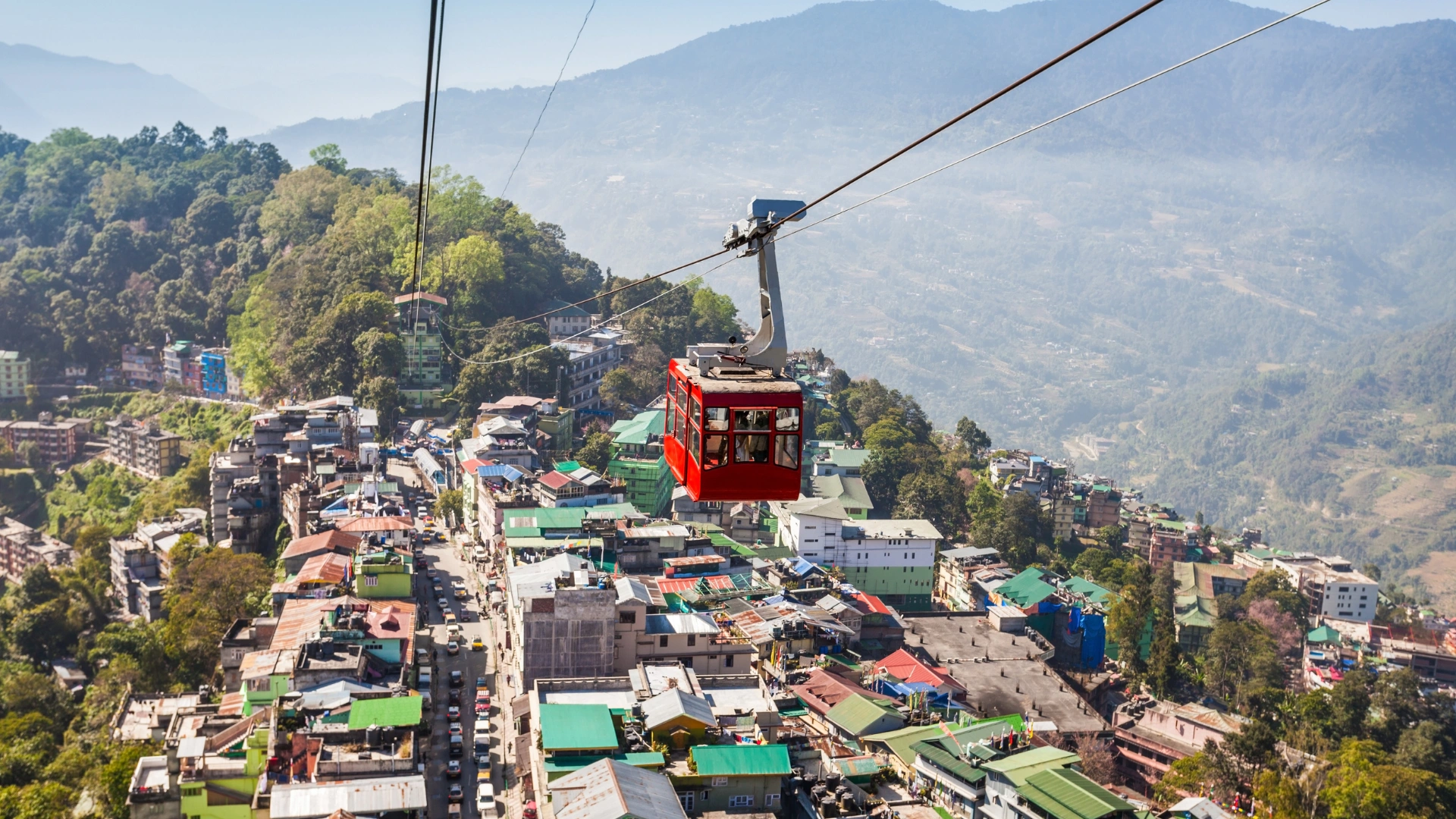
Lachung and Yumthang Valley are accessible from Gangtok via a scenic drive through winding mountain roads and waterfalls. Travel permits are required for this region, which the Tour En Inde team arranges seamlessly for guests. Local jeeps and guided tours are the best ways to explore the valleys. The team also organizes private transfers, photography tours, and snow excursions, ensuring a safe and memorable journey through the magical landscapes of North Sikkim.
Speak to our specialists about including Lachung/Yumthang Valley in your itinerary.
Get A Quote Call +91 98710 96042Rhododendrons typically bloom between late March and May, transforming the Shingba Sanctuary into a vivid carpet of color, though the valley is scenic in most seasons.
Yes, a restricted-area permit is required for North Sikkim, which Tour En Inde arranges in advance as part of the itinerary.
Zero Point (Yumesamdong) is a high-altitude spot near the Indo-China border, about 25 km beyond Lachung, where the road ends and snow is often present year-round.
Lachung is reached by a scenic mountain drive of about 5-6 hours from Gangtok; there is no direct rail or air access.
The Dzumsa is a traditional self-governance council still used by Lachung's Lachungpa community to manage grazing, farming and local disputes without formal state intervention.