Vaishali: Ancient Cradle of Democracy and Faith
Vaishali, Bihar's ancient city of enlightenment, resonates with the wisdom of Buddha and Mahavira — a timeless sanctuary of peace, faith, and history.
Vaishali, Bihar's ancient city of enlightenment, resonates with the wisdom of Buddha and Mahavira — a timeless sanctuary of peace, faith, and history.
Vaishali, Bihar's ancient city of enlightenment, resonates with the wisdom of Buddha and Mahavira — a timeless sanctuary of peace, faith, and history.
Vaishali, located in Bihar, is one of the most ancient and spiritually significant cities of India — a place where history, faith, and enlightenment converge. Once the capital of the Licchavi republic, Vaishali was a thriving center of politics, culture, and trade in ancient India. It holds great importance in both Buddhist and Jain traditions, as the site where Lord Buddha delivered his last sermon and where Lord Mahavira, the founder of Jainism, was born. Today, Vaishali stands as a peaceful pilgrimage town, echoing stories of wisdom and harmony that shaped India's spiritual heritage.
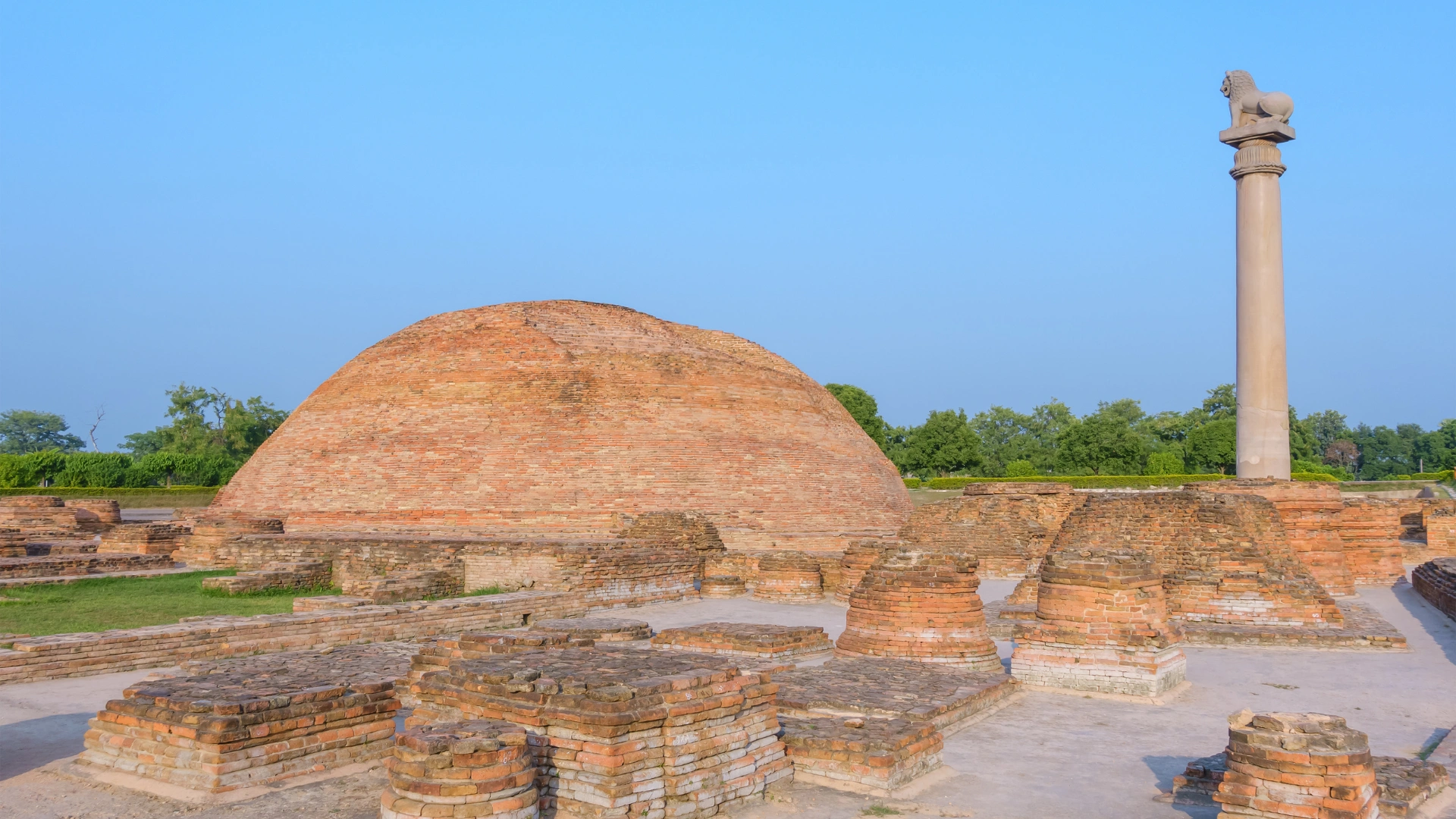
Vaishali is regarded by historians as the site of the world's first republic, governed by the Licchavi confederacy through an elected assembly centuries before Athenian democracy took shape, a fact that gives the town outsized significance in the history of self-governance. It was here that Gautama Buddha delivered his final sermon and announced his approaching Mahaparinirvana, and where the Second Buddhist Council was convened roughly a century after his death to resolve doctrinal disputes. Lord Mahavira, founder of Jainism, was born nearby at Kundalpur, making Vaishali sacred to two of India's major spiritual traditions. The intact Ashokan pillar, crowned with its lion capital, stands as one of the best-preserved edicts of Emperor Ashoka's empire-wide dharma campaign of the 3rd century BCE.
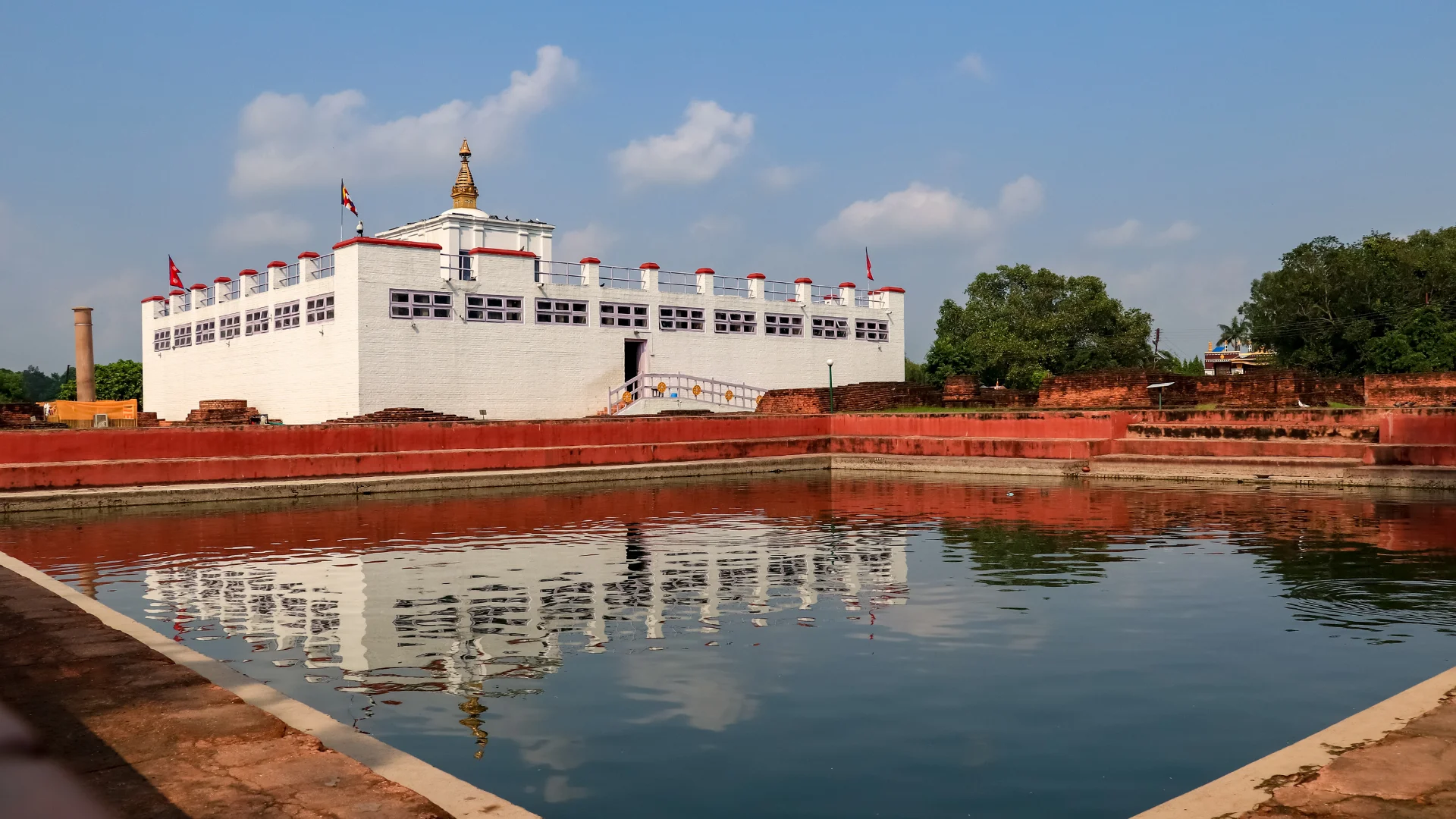
The landscape of Vaishali is dotted with ancient stupas, pillars, and relics that transport visitors to the golden age of Indian civilization. The most iconic site is the Ashokan Pillar, crowned with a lion capital and inscribed with Emperor Ashoka's edicts, symbolizing peace and dharma. The Buddha Stupa-I and Stupa-II enshrine sacred relics of the Buddha and are among the earliest stupas in India. Visit the Coronation Tank (Abhishek Pushkarini), where ancient Licchavi rulers were anointed, and the Ananda Stupa, a serene site surrounded by greenery. The nearby World Peace Pagoda and Japanese Temple add a modern yet spiritual dimension to this ancient land.
Vaishali's heritage is deeply rooted in Buddhism, Jainism, and the democratic spirit of ancient India. It was here that Gautama Buddha preached his last sermon and announced his Mahaparinirvana. The town also saw the first Buddhist council after Buddha's death, making it a cornerstone of Buddhist history. For Jain followers, Vaishali is sacred as the birthplace of Lord Mahavira. The Archaeological Museum of Vaishali houses terracotta figurines, pottery, coins, and artifacts that unveil the grandeur of its ancient civilization. The blend of history and spirituality makes Vaishali a fascinating destination for pilgrims, historians, and seekers alike.
Vaishali's food scene reflects the simple and earthy flavors of Bihar. Relish traditional dishes like Litti Chokha, Sattu Paratha, and Dal Pitha, which embody the region's rustic charm. Street vendors serve local snacks such as Chana Ghugni, Thekua, and Khaja, perfect for a quick bite while exploring. Refresh yourself with Sattu Sharbat or a cup of sweetened chai from local stalls. Nearby towns like Hajipur and Patna offer a wider range of restaurants serving North Indian and Bihari cuisines, combining taste with cultural authenticity.
Start your spiritual journey at the Ashokan Pillar and the Buddha Stupas, followed by a visit to the Vishwa Shanti Stupa, which offers tranquility and scenic views. Explore the Archaeological Museum to gain deeper insights into Vaishali's glorious past. Visit Kundalpur, believed to be the birthplace of Lord Mahavira, and spend time meditating near the serene Abhishek Pushkarini. In February or March, attend the Vaishali Mahotsav — a vibrant cultural festival celebrating the town's ancient heritage through music, dance, and art.
Vaishali offers modest accommodations including guesthouses, lodges, and dharamshalas suitable for pilgrims and travelers. For more comfort, nearby Hajipur and Patna provide a range of hotels and resorts with modern amenities. The Tour En Inde team curates convenient and comfortable stays that balance accessibility, peace, and local charm, ensuring a serene retreat after a day of spiritual exploration.
Vaishali is well connected by road to Patna, Muzaffarpur, and Hajipur, with the nearest airport located in Patna (around 70 kilometers away). Local transport includes taxis, auto-rickshaws, and private vehicles for sightseeing. The Tour En Inde team arranges guided heritage tours, private transfers, and pilgrimage itineraries, ensuring a smooth and insightful journey through this sacred and historical town.
Speak to our specialists about including Vaishali in your itinerary.
Get A Quote Call +91 98710 96042Vaishali was governed by the Licchavi confederacy through an elected assembly centuries before Athenian democracy, making it one of history's earliest known republics.
Buddha delivered his final sermon in Vaishali and announced his approaching death there; the Second Buddhist Council was also held in the town about a century later.
Yes — Lord Mahavira, founder of Jainism, was born nearby at Kundalpur, making Vaishali sacred to Jains as well as Buddhists.
Vaishali is well connected by road to Patna, Muzaffarpur and Hajipur, with the nearest airport in Patna, around 70 km away.
A half day is sufficient to see the Ashokan Pillar, the Buddha Stupas and the Archaeological Museum.