Things to Do in Munnar: Tea Hills, Best Time & Travel Guide
The best things to do in Munnar are walking through the tea estates, visiting the Tea Museum, spotting Nilgiri tahr at Eravikulam National Park, boating at Mattupetty Dam and watching sunrise from Kolukkumalai or Top Station. The best time to visit is October to February, and December is cool and clear, with daytime highs of roughly 20 to 22°C.
Things to do in Munnar at a glance
Why Munnar is worth visiting
Munnar is one of South India’s best-loved hill stations, a patchwork of rolling tea estates, eucalyptus groves, misty valleys and spice-scented forest in Kerala’s Idukki district. At roughly 1,500 to 1,600 metres above sea level, it offers a cool escape from the coastal heat, and Anamudi, the highest peak in South India, rises nearby inside Eravikulam National Park. For many travellers, the things to do in Munnar are simple pleasures: slow walks between tea bushes, a hot cup straight from the estate, sunrise above the clouds and quiet evenings by a log fire.
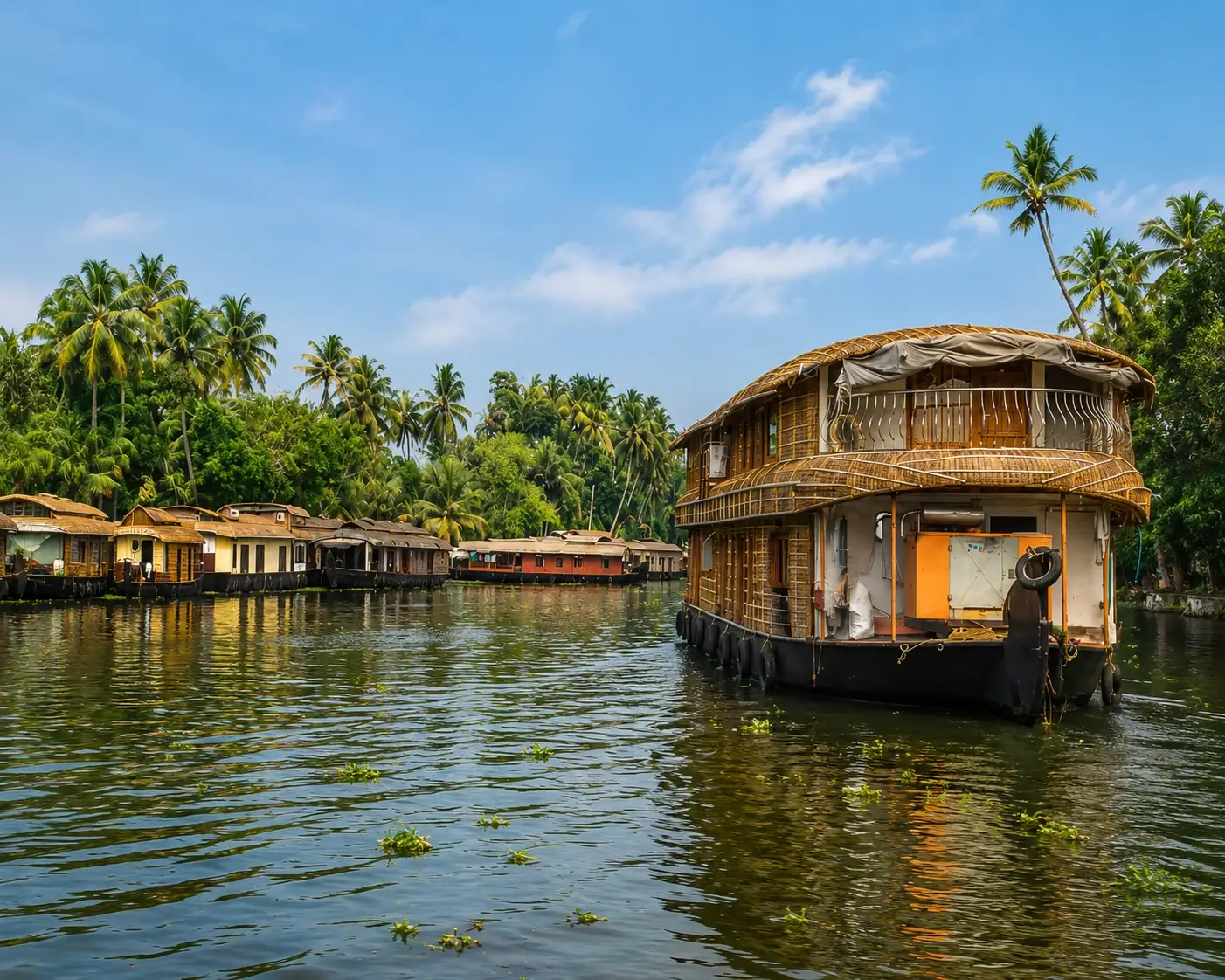
It also makes an easy pairing with Kerala’s other highlights. Many itineraries combine Munnar with Cochin‘s heritage lanes and the Alleppey backwaters, giving you hills, history and houseboats in one trip.
A short history of Munnar’s tea country
The name Munnar is often linked to the meeting of three streams, Mudrapuzha, Nallathanni and Kundala. In the late nineteenth century, British planters began clearing forested slopes here for tea, and the Kannan Devan Hills became one of India’s notable tea-growing areas. Plantation bungalows, small churches, tea factories and workers’ settlements still shape the landscape today. After independence, tea estates stayed at the heart of the local economy, and visitors can still see how leaves are plucked, withered, rolled and dried. Exact dates and details vary by source, so ask your guide at the Tea Museum for the estate’s own story.
Best time to visit Munnar: month by month
| Month | Approx. temperature | What to expect |
|---|---|---|
| October | 16–26°C | Post-monsoon freshness; clear skies return |
| November | 13–24°C | Dry, pleasant, excellent for tea walks |
| December | 8–22°C | Coolest, crisp mornings; peak holiday crowds |
| January | 7–22°C | Cold nights, misty dawns, great views |
| February | 10–25°C | Warming up; Eravikulam may close for calving |
| March – May | 15–28°C | Warmer days, busy season, occasional showers |
| June – September | 16–24°C | Heavy monsoon, waterfalls at full flow, landslide risk |
These figures are approximate and vary with altitude and year, so treat them as a guide rather than a forecast.
Weather and packing for December
December is one of the most comfortable months to explore Munnar. Days are mild and sunny, mornings can be misty and nights may fall into single digits, especially in higher places such as Top Station and Kolukkumalai. Pack a light jacket or sweater, a scarf, comfortable walking shoes with grip, sunscreen, a small umbrella for stray showers, a power bank and a reusable water bottle. Book hotels early for Christmas and New Year, because this is peak season.
Top things to do in Munnar
- Walk through the tea estates: early morning is best, when mist hangs over the bushes and the pickers begin work.
- Visit the Tea Museum: explore the story of Munnar’s plantations, old machinery and tea tasting.
- Eravikulam National Park: home to the endangered Nilgiri tahr, with grassland trails and sweeping views. The park is usually closed for a period in the early months of the year for calving, so confirm dates before you go.
- Mattupetty Dam and Echo Point: a calm reservoir for boating and a viewpoint known for its natural echo, roughly 13 km from town.
- Top Station: one of the highest accessible viewpoints around, with far views across the Western Ghats towards Tamil Nadu.
- Kolukkumalai sunrise: a jeep ride to a high tea estate famed for dawn views; set off before sunrise.
- Waterfalls and spice gardens: Attukal and Lakkam waterfalls, plus cardamom, pepper and clove plantations, add easy half-day stops.
- Neelakurinji: the hills turn violet in a mass bloom only about once every 12 years. The last was in 2018, so look to around 2030.
People and culture
Munnar’s population includes plantation communities whose families have worked the estates for generations, as well as indigenous groups such as the Muthuvan and Mannan living in the surrounding forests. Malayalam is the main language, though Tamil is also widely heard because of long ties with the neighbouring state. Food is a highlight: expect appam with stew, Kerala parotta with beef or vegetable curry, fresh fish in the coastal towns, banana chips and spiced tea. Be respectful when photographing workers or villagers, and buy tea, spices and homemade chocolate from licensed local shops.
How to reach Munnar and plan with Tour En Inde
Cochin International Airport is the nearest major airport, roughly 110 km away, and the road journey takes about four to five hours depending on traffic and stops. The route passes waterfalls, spice farms and rubber plantations, so a private car with a driver lets you break the journey comfortably. The nearest railheads are Aluva and Ernakulam, and state buses run from several Kerala towns, though a private vehicle is more convenient for sightseeing in the hills.
Tour En Inde can arrange a chauffeur-driven transfer, a hillside stay and local guides. Start with our Munnar destination page, or combine hills and backwaters in Kerala Spices And Ayurveda or the longer Essence of South India. Allow two to three days in Munnar itself, and carry some cash because mobile signal and ATMs can be patchy in remote estates.
A simple 3-day Munnar plan
Day 1: arrive from Cochin, stop at a waterfall, check in and take a sunset walk through a nearby tea estate. Day 2: Eravikulam National Park, the Tea Museum, Mattupetty Dam and Echo Point. Day 3: early jeep ride to Kolukkumalai or Top Station for sunrise, then a spice-plantation visit before the drive onward to the backwaters.
Things to do in Munnar: FAQs
What are the best things to do in Munnar?
Top picks include walking through tea estates, visiting the Tea Museum, spotting Nilgiri tahr at Eravikulam National Park, boating at Mattupetty Dam, sunrise at Kolukkumalai and the viewpoint at Top Station.
What is the best time to visit Munnar?
October to February is cool, dry and clear, with November to January the most comfortable. March to May is warmer and busy, while June to September brings heavy monsoon rain and lush green hills.
How many days do you need in Munnar?
Two full days cover the main sights, while three days leave time for Kolukkumalai, a spice-plantation visit and slow tea-estate walks.
How far is Munnar from Cochin airport?
Cochin International Airport is roughly 110 km away, and the drive usually takes about four to five hours depending on traffic and stops.
Is Munnar cold in December?
Days are mild and mornings are chilly. Nights can fall into single digits in the higher areas, so carry a light jacket and a sweater.
When does the Neelakurinji flower bloom in Munnar?
The Neelakurinji blooms only once every 12 years in the Western Ghats hills. The last big bloom was in 2018, so the next is expected around 2030, but check local updates.
Plan your Munnar trip
Tell us your dates, group size and interests and we will send a tailor-made Kerala itinerary within 24 hours.