


Spiritual & Mindful Experiences in India
Dawn boat rides on the Ganga, evening aarti, temple towns and quiet ashrams. We plan spiritual journeys with respect for rituals, with time to sit, watch and reflect.
Spiritual & Mindful: what to expect
- Sunrise boat rides and evening aarti at the ghats
- Yoga and meditation sessions with qualified teachers
- Guides who explain customs, so you visit with understanding
- Vegetarian meals and quieter hotels on request
Best time: October to March. Festivals such as Diwali and the Kumbh Mela add crowds, so book early.
Tours that include Spiritual & Mindful

Destinations to start with
Varanasi
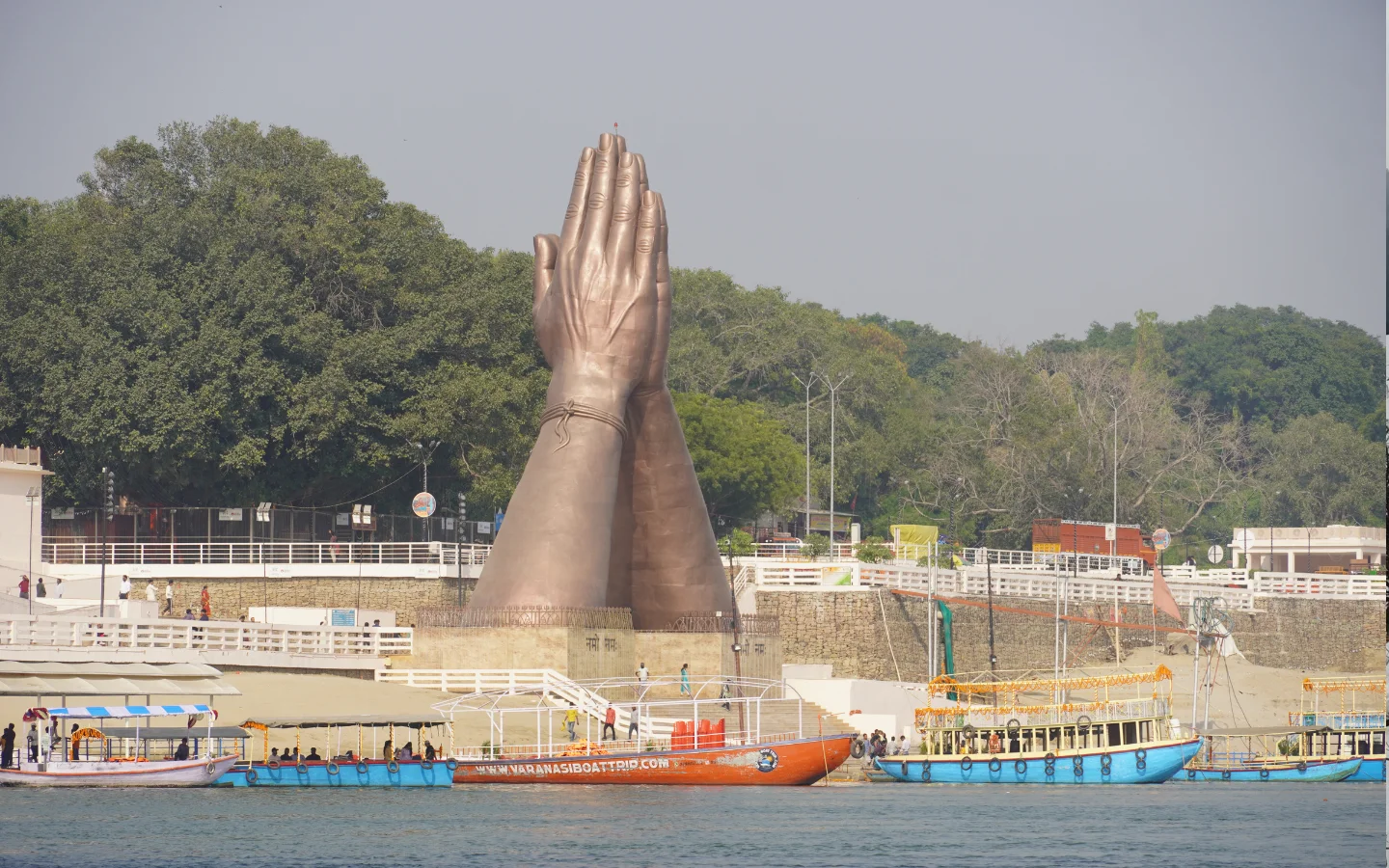
Ganga Aarti at Dashashwamedh Ghat, a sunrise boat ride, the Kashi Vishwanath Temple and Sarnath, a major Buddhist site.
Rishikesh
Called the "Yoga Capital of the World," it offers yoga, meditation, Ganga Aarti at Triveni Ghat and white-water rafting.
Haridwar
The Ganga Aarti at Har Ki Pauri at sunset is one of India's most moving spiritual spectacles.
Puri
The Rath Yatra (chariot festival) draws millions of pilgrims; the beach is also quiet and scenic.
Madurai
The Meenakshi Temple's colourful gopurams (towers) and ritual evenings are among South India's greatest sights.
Pushkar
The sacred lake with 52 ghats, the camel fair and bohemian cafes make Pushkar a unique spiritual town.
Every journey is private and tailor-made for solo travellers, couples, families and groups. Not sure where to begin? Request a free quote or browse all experiences.
Spiritual and mindful travel at a glance
| Ideal length | 5 to 10 days |
|---|---|
| Main airports | Varanasi (VNS), Delhi (DEL), Dehradun (DED) |
| Pairs well with | Varanasi, Rishikesh, Haridwar, Bodh Gaya |
| Pace and effort | Easy; early mornings and respectful dress |
| Group types | Solo travellers, couples, families, friends and private groups |
| Booking | Private and tailor-made; free quote within 24 hours |
India travel essentials
- Visa: apply online through the official Indian government portal; carry a passport valid for six months or more.
- Weather: dry and mild from October to March; hot from April to June; monsoon from June to September.
- Money: Indian rupee (INR); cards work in cities and hotels, cash is useful in small towns.
- Time and power: UTC+5:30, 230 V, plug types C, D and M.
- Health: use bottled or filtered water and ask your doctor about vaccinations early.
Explore all tours, 65 destinations and experiences, or request a free quote.
Prefer to talk it through?
Book a free video or phone call with an India specialist. We listen to your dates, interests and group, then sketch the right route.
Frequently Asked Questions
Do I need to be religious to join a spiritual tour?
No. Many guests are simply curious. We explain what you are seeing and let you take part as much or as little as you like.
What should I wear at temples and ghats?
Cover shoulders and knees, wear shoes that are easy to take off, and carry a light scarf. Your guide briefs you before each visit.
Can this be combined with yoga?
Yes. Rishikesh and Haridwar pair well with Varanasi, and we can add a multi-day yoga and meditation retreat.
What is the best time to visit India?
October to March is the main season for most of India, with dry and mild weather in the north and in Kerala. April to June is hot in the plains, and the monsoon runs roughly from June to September. Mountain regions such as Ladakh are best from late May to September.
What currency, language and time zone does India use?
India uses the Indian rupee (INR). English and Hindi are widely used in tourism, and many local languages are spoken. India Standard Time is UTC+5:30 all year with no daylight saving. Mains power is 230 V, 50 Hz, with type C, D and M plugs.
Is India safe and healthy for tourists?
Millions of visitors travel safely each year. Private drivers and guides, licensed hotels and sensible precautions make trips easy. Drink bottled or filtered water, ask your doctor about vaccinations well before travel, and take travel insurance.