Wellness & Backwaters Experiences in India
Houseboats drifting through Kerala's backwaters, Ayurveda treatments, spice gardens and tea hills. A slower India for travellers who want to rest as well as explore.
Wellness & Backwaters: what to expect
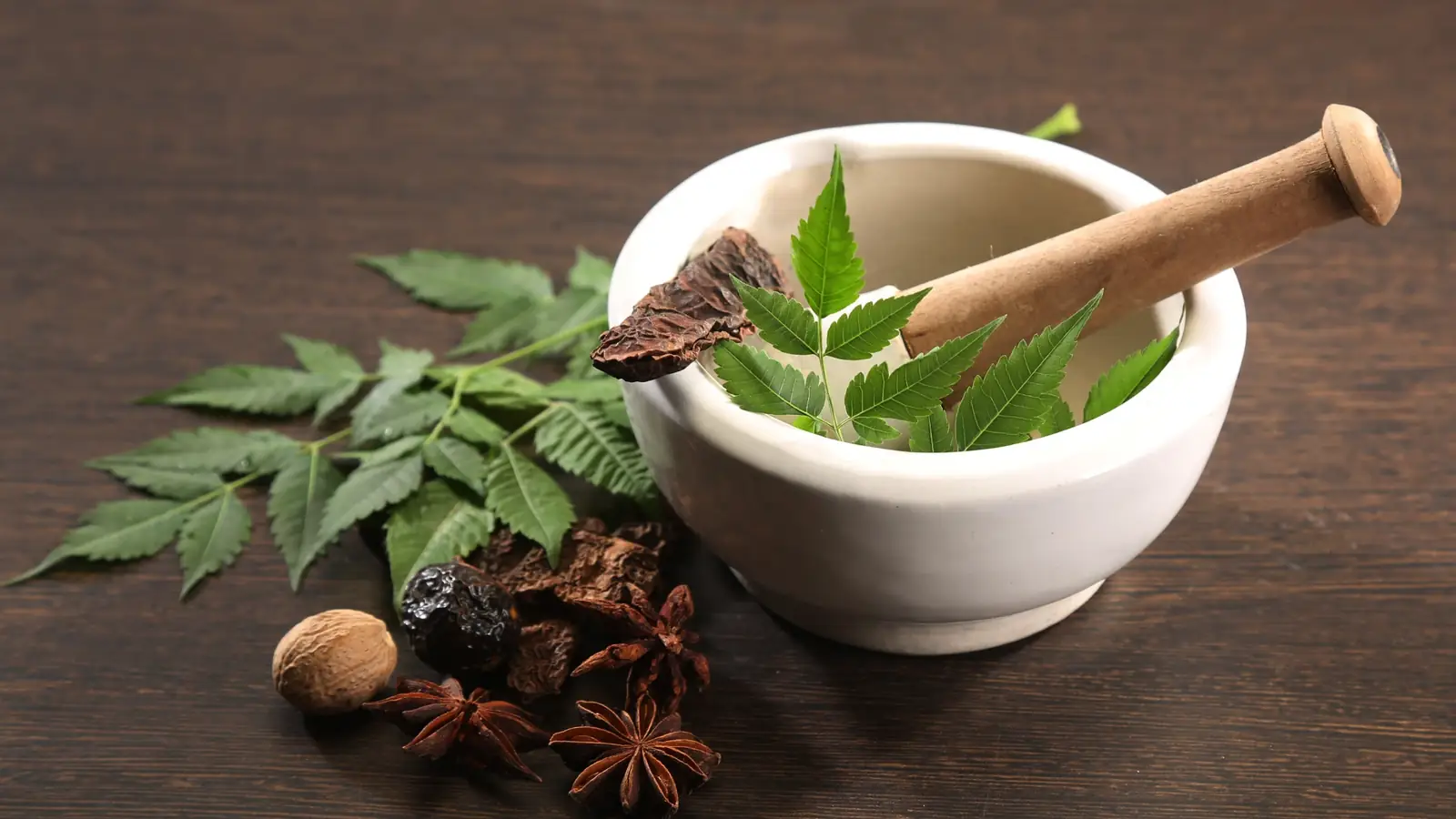
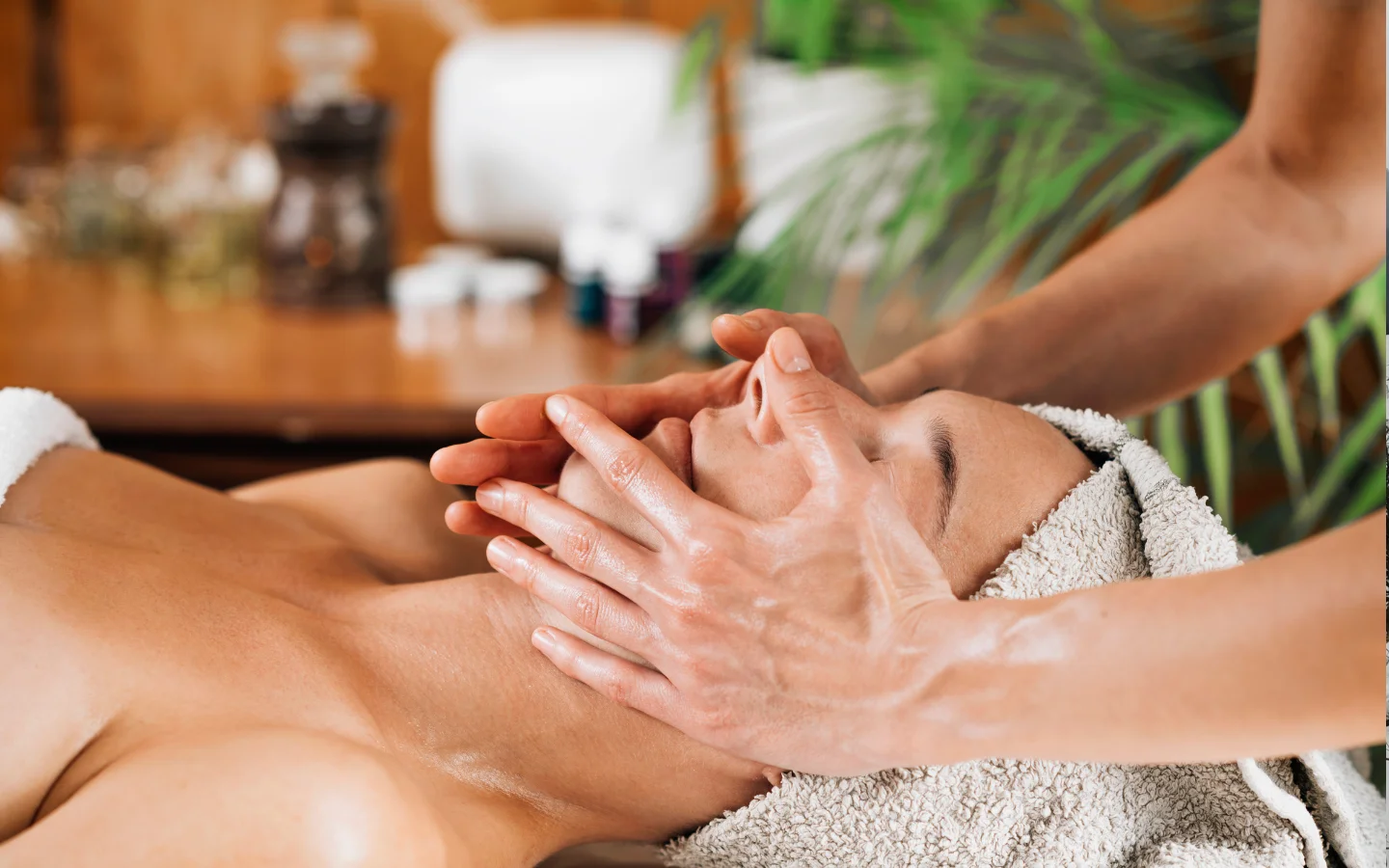
- Ayurvedic consultation and treatments at reputable centres
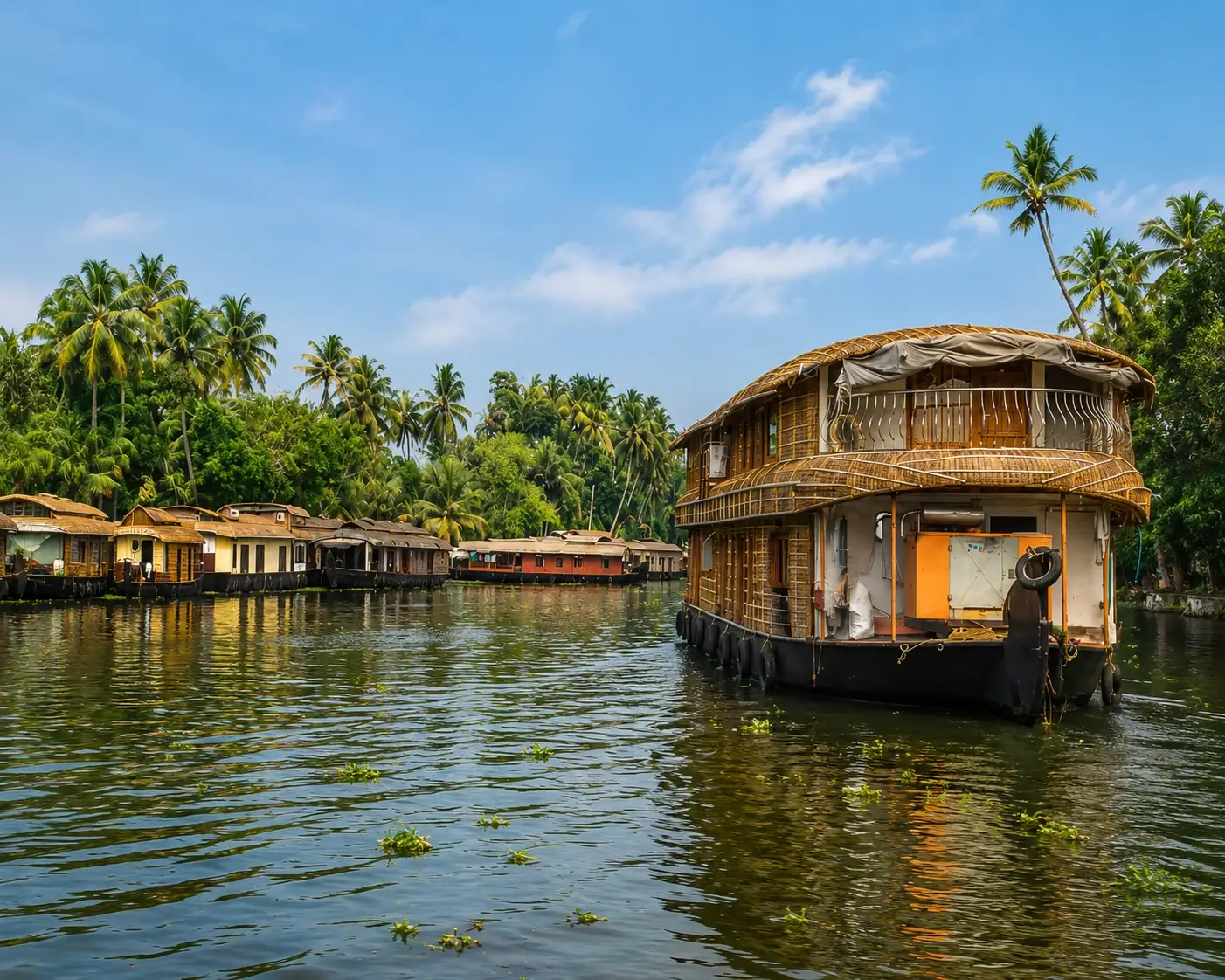
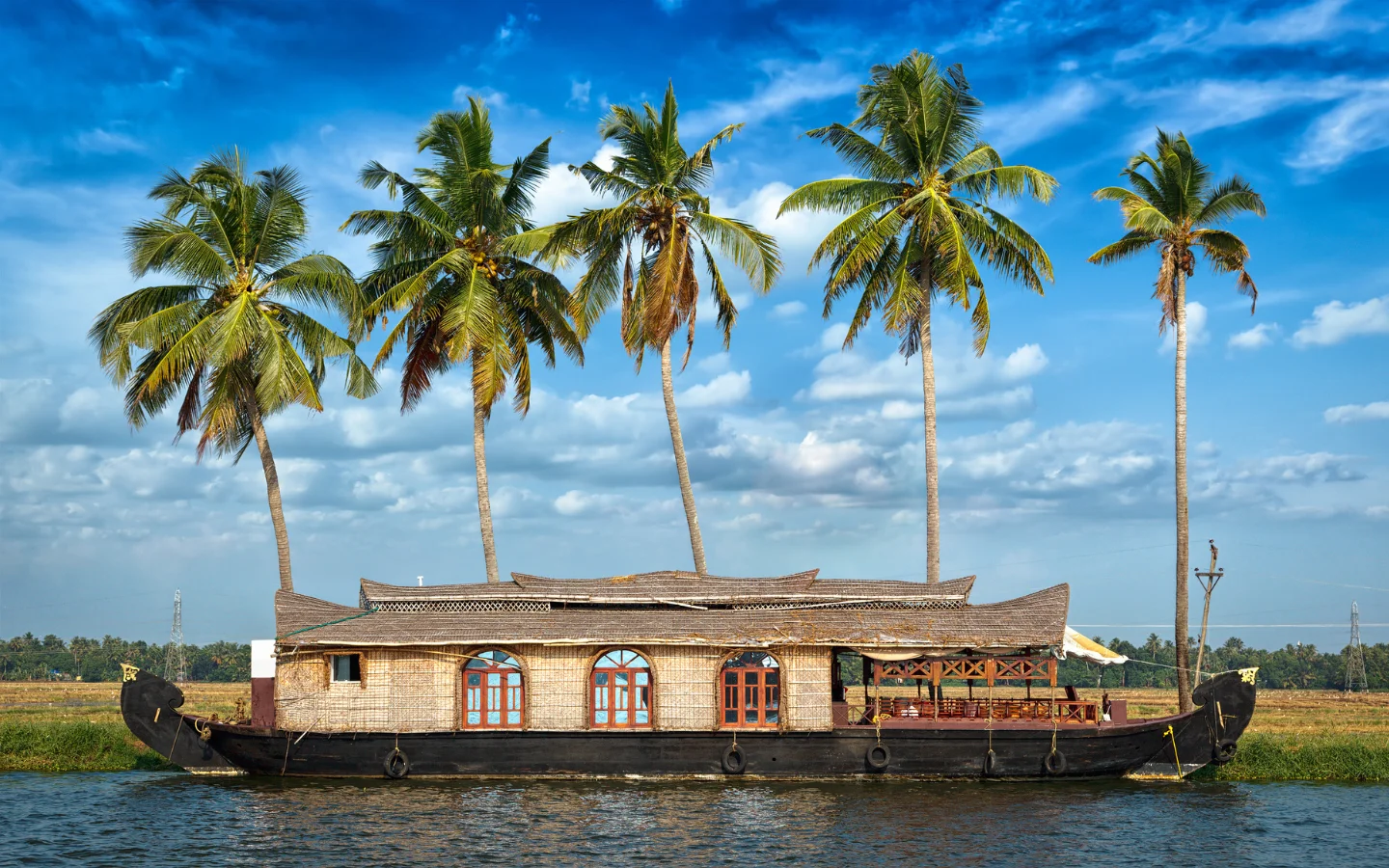
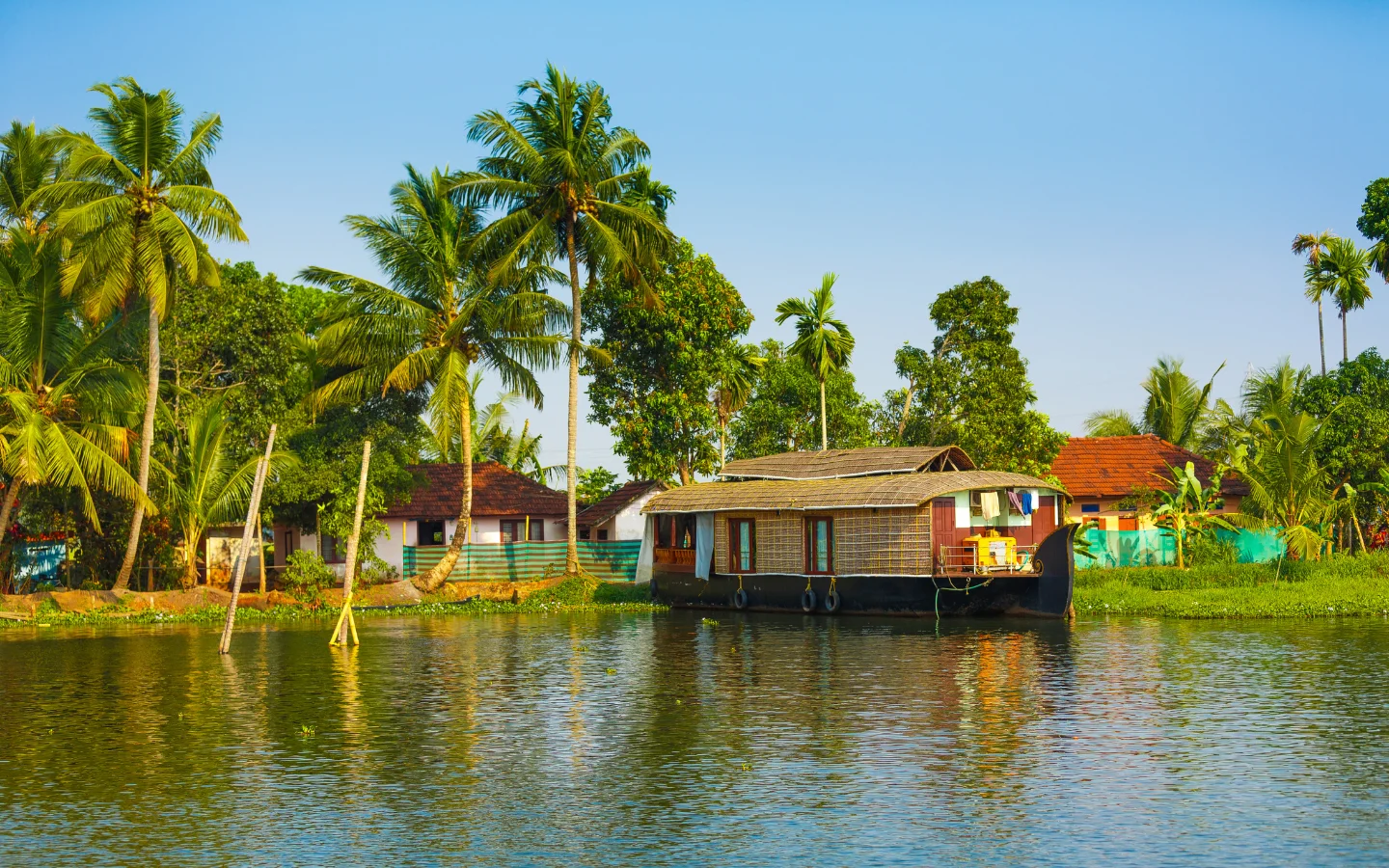
- Overnight houseboat cruise on the Alleppey backwaters
- Cooking classes using Kerala spices
- Yoga or meditation at sunrise
Best time: October to March for Kerala; the monsoon (June to September) is the traditional Ayurveda season, with lower prices.
Tours that include Wellness & Backwaters
Destinations to start with
Alleppey
Kerala's backwaters are a rare living wetland culture, best experienced on a traditional kettuvallam (houseboat).
Munnar
Its rolling emerald tea plantations, Eravikulam National Park (home of the Nilgiri tahr) and cool climate make it Kerala's favourite hill escape.
Varkala
Dramatic cliffs by the Arabian Sea, with yoga, cafes and Ayurvedic centres.
Cochin
It is the best gateway to Kerala, with Chinese fishing nets, Kathakali performances and spice markets.
Wayanad
Spice plantations, wildlife sanctuaries, waterfalls and ancient caves provide an off-the-beaten-path nature stay.
Rishikesh
Called the "Yoga Capital of the World," it offers yoga, meditation, Ganga Aarti at Triveni Ghat and white-water rafting.
Every journey is private and tailor-made for solo travellers, couples, families and groups. Not sure where to begin? Request a free quote or browse all experiences.
Wellness and backwaters at a glance
| Ideal length | 7 to 14 days |
|---|---|
| Main airports | Kochi (COK), Thiruvananthapuram (TRV) |
| Pairs well with | Kerala backwaters, Munnar, Varkala, Ayurveda centres |
| Pace and effort | Easy; slow pace with rest days |
| Group types | Solo travellers, couples, families, friends and private groups |
| Booking | Private and tailor-made; free quote within 24 hours |
India travel essentials
- Visa: apply online through the official Indian government portal; carry a passport valid for six months or more.
- Weather: dry and mild from October to March; hot from April to June; monsoon from June to September.
- Money: Indian rupee (INR); cards work in cities and hotels, cash is useful in small towns.
- Time and power: UTC+5:30, 230 V, plug types C, D and M.
- Health: use bottled or filtered water and ask your doctor about vaccinations early.
Explore all tours, 65 destinations and experiences, or request a free quote.
Prefer to talk it through?
Book a free video or phone call with an India specialist. We listen to your dates, interests and group, then sketch the right route.
Frequently Asked Questions
How long should an Ayurveda stay be?
Seven days is a good minimum for a treatment programme. A shorter stay can still include consultations and massages.
Is a houseboat cruise comfortable for families?
Yes. Private houseboats have bedrooms, a crew and a cook. We choose boats that suit your group size.
Can we add beaches?
Yes. Varkala and Kovalam are easy additions after the backwaters.
What is the best time to visit India?
October to March is the main season for most of India, with dry and mild weather in the north and in Kerala. April to June is hot in the plains, and the monsoon runs roughly from June to September. Mountain regions such as Ladakh are best from late May to September.
What currency, language and time zone does India use?
India uses the Indian rupee (INR). English and Hindi are widely used in tourism, and many local languages are spoken. India Standard Time is UTC+5:30 all year with no daylight saving. Mains power is 230 V, 50 Hz, with type C, D and M plugs.
Is India safe and healthy for tourists?
Millions of visitors travel safely each year. Private drivers and guides, licensed hotels and sensible precautions make trips easy. Drink bottled or filtered water, ask your doctor about vaccinations well before travel, and take travel insurance.