


Wildlife & Nature Experiences in India
Tiger safaris in Ranthambore, mangrove cruises in the Sundarbans, bird life on Chilika Lake and the forests of Kerala. Careful planning for the best chance of sightings.
Wildlife & Nature: what to expect
- Open-vehicle safaris with trained naturalists
- Early starts and a rest day built in
- Boat trips in mangroves and lakes
- Eco-lodges close to the parks
Best time: October to April for most parks. Tigers are easier to see from March to May.
Tours that include Wildlife & Nature
Destinations to start with
Ranthambore
One of India's best places to see wild tigers, within a UNESCO-listed fort setting.
Sundarbans
Home to the Royal Bengal tiger and estuarine crocodiles, reached by boat through tidal channels.
Chilika Lake
Asia's largest brackish-water lagoon, it hosts more than a million migratory birds each winter and a rare population of Irrawaddy dolphins.
Wayanad
Spice plantations, wildlife sanctuaries, waterfalls and ancient caves provide an off-the-beaten-path nature stay.
Munnar
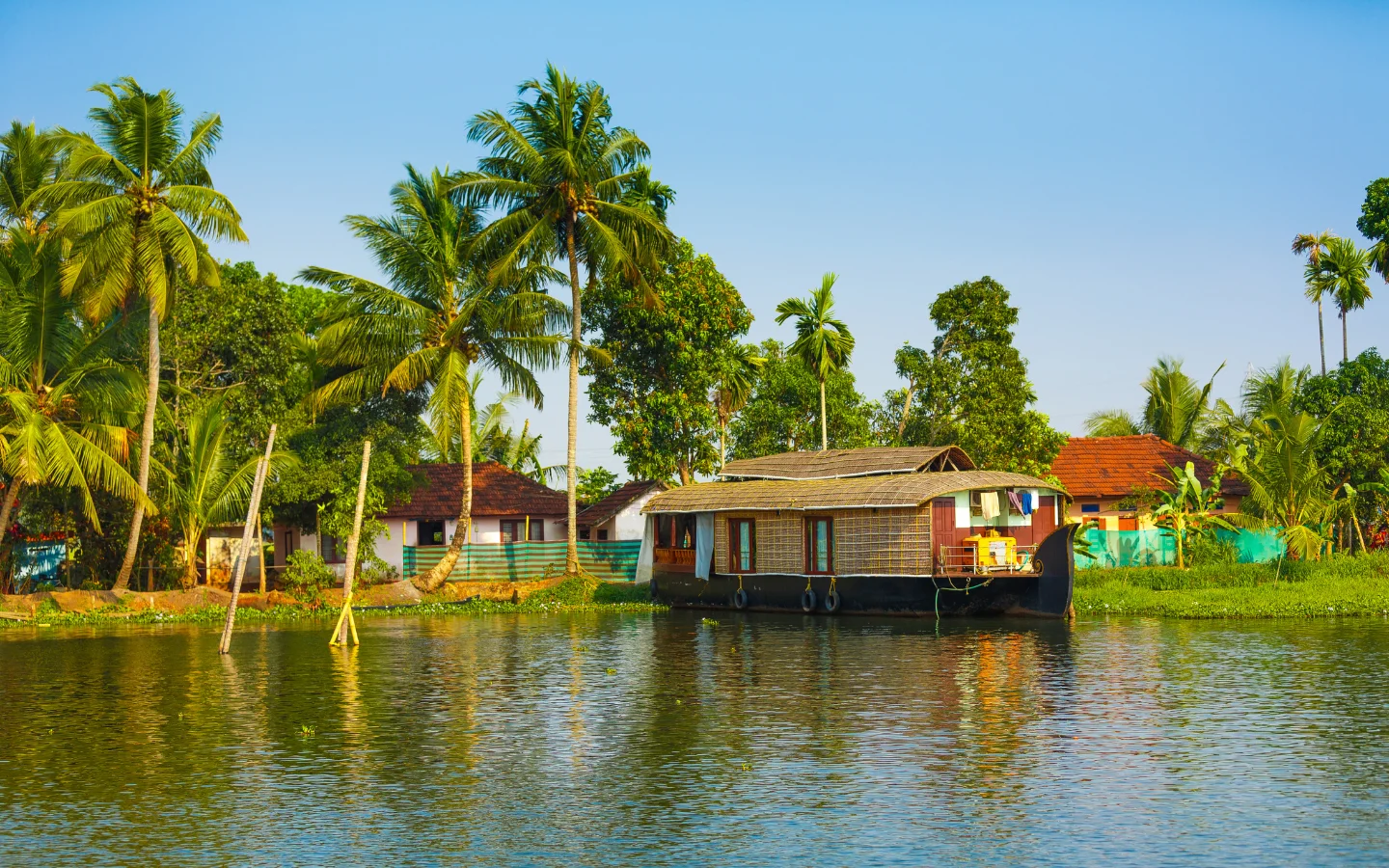
Its rolling emerald tea plantations, Eravikulam National Park (home of the Nilgiri tahr) and cool climate make it Kerala's favourite hill escape.
Jaipur
Jaipur is the capital of Rajasthan and the third city of the Golden Triangle, with the Amber Fort, City Palace, Hawa Mahal and Jantar Mantar (UNESCO).
Every journey is private and tailor-made for solo travellers, couples, families and groups. Not sure where to begin? Request a free quote or browse all experiences.
Wildlife and nature at a glance
| Ideal length | 2 to 5 days per park |
|---|---|
| Main airports | Jaipur (JAI) for Ranthambore, Kolkata (CCU) for the Sundarbans |
| Pairs well with | Ranthambore, Sundarbans, Chilika Lake, Wayanad |
| Pace and effort | Easy to moderate; early starts for safaris |
| Group types | Solo travellers, couples, families, friends and private groups |
| Booking | Private and tailor-made; free quote within 24 hours |
India travel essentials
- Visa: apply online through the official Indian government portal; carry a passport valid for six months or more.
- Weather: dry and mild from October to March; hot from April to June; monsoon from June to September.
- Money: Indian rupee (INR); cards work in cities and hotels, cash is useful in small towns.
- Time and power: UTC+5:30, 230 V, plug types C, D and M.
- Health: use bottled or filtered water and ask your doctor about vaccinations early.
Explore all tours, 65 destinations and experiences, or request a free quote.
Prefer to talk it through?
Book a free video or phone call with an India specialist. We listen to your dates, interests and group, then sketch the right route.
Frequently Asked Questions
Will I see a tiger?
Sightings are never guaranteed. Booking two or three safaris and travelling in the dry season improves your chances.
Is a safari suitable for children?
Some parks set age limits. We advise on which parks and safari types suit families.
Can wildlife be combined with a cultural tour?
Yes. Ranthambore fits neatly between Jaipur and Agra on the way to Delhi.
What is the best time to visit India?
October to March is the main season for most of India, with dry and mild weather in the north and in Kerala. April to June is hot in the plains, and the monsoon runs roughly from June to September. Mountain regions such as Ladakh are best from late May to September.
What currency, language and time zone does India use?
India uses the Indian rupee (INR). English and Hindi are widely used in tourism, and many local languages are spoken. India Standard Time is UTC+5:30 all year with no daylight saving. Mains power is 230 V, 50 Hz, with type C, D and M plugs.
Is India safe and healthy for tourists?
Millions of visitors travel safely each year. Private drivers and guides, licensed hotels and sensible precautions make trips easy. Drink bottled or filtered water, ask your doctor about vaccinations well before travel, and take travel insurance.