Sundarbans: The Royal Bengal Tiger's Mangrove Kingdom
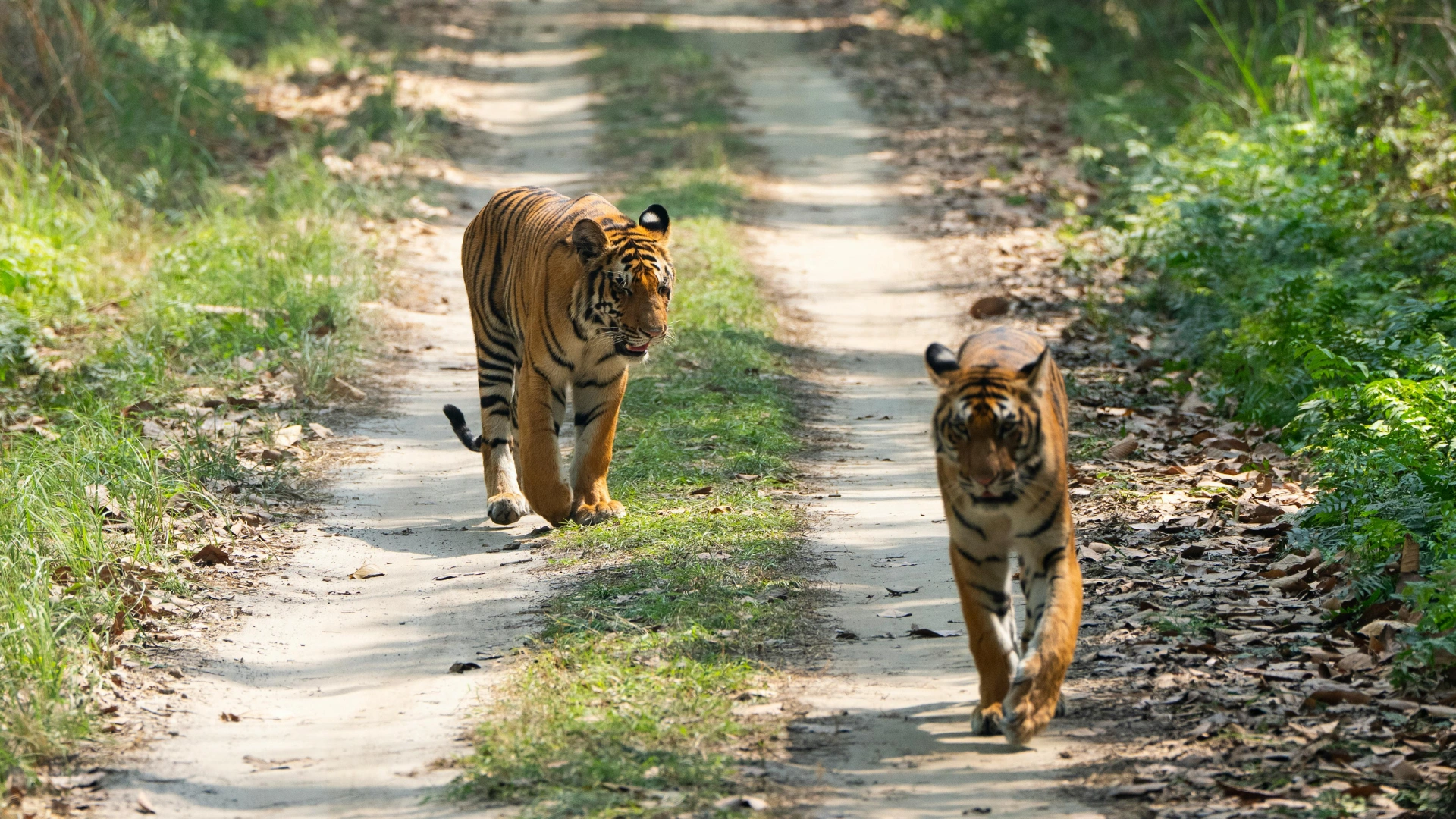
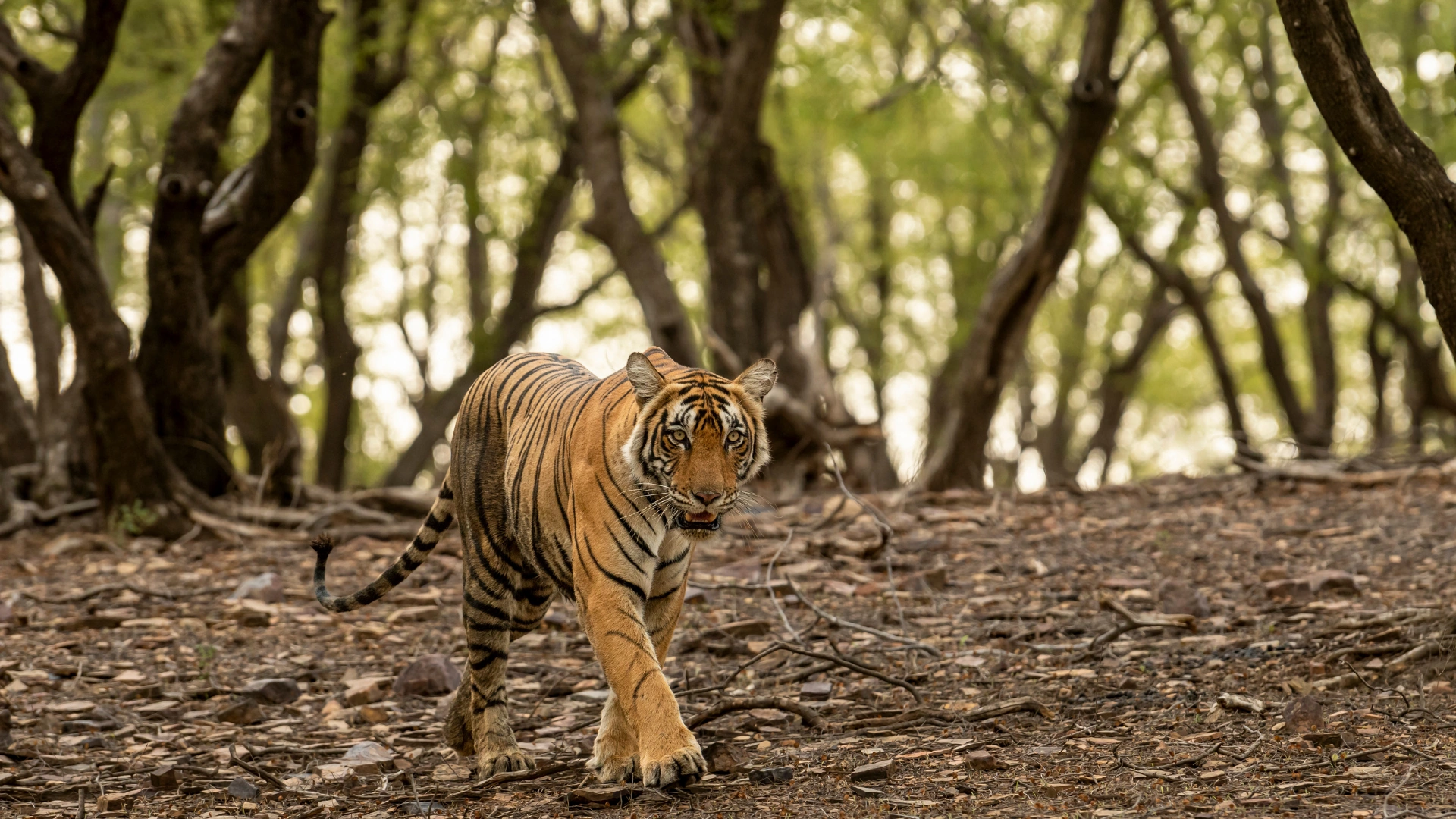
The Sundarbans, home to the Royal Bengal Tiger, unveil a wild paradise of mangroves, rivers, and breathtaking natural beauty.
The Sundarbans, home to the Royal Bengal Tiger, unveil a wild paradise of mangroves, rivers, and breathtaking natural beauty.
The Sundarbans, home to the Royal Bengal Tiger, unveil a wild paradise of mangroves, rivers, and breathtaking natural beauty.
The Sundarbans, a UNESCO World Heritage Site, is a mesmerizing world of mangrove forests, winding waterways, and rich biodiversity located in the delta region of West Bengal. Known as the land of the Royal Bengal Tiger, this vast wilderness offers a rare encounter with raw nature. From boat safaris through dense mangrove creeks to birdwatching in serene backwaters, the Sundarbans reveal India's wild, untouched, and mysterious side in its purest form.
The Sundarbans forms the single largest contiguous mangrove forest on Earth, spanning the delta where the Ganges, Brahmaputra, and Meghna rivers meet the Bay of Bengal, and it is the only mangrove ecosystem in the world known to support a resident population of tigers. These Royal Bengal Tigers are uniquely adapted swimmers, capable of crossing tidal creeks between islands, a behavior found nowhere else among the species. Declared a UNESCO World Heritage Site and a Tiger Reserve, the Sundarbans also acts as a natural storm barrier protecting millions of people in the Bengal delta from cyclones, making a visit here a direct encounter with one of the planet's most ecologically vital and irreplaceable landscapes.
Stretching across a maze of rivers, islands, and estuaries, the Sundarbans form one of the most fascinating ecosystems in the world. Villages scattered along the edges of the forest coexist with nature, living in rhythm with the tides and the wildlife that surrounds them. As you sail through silent waterways bordered by thick mangroves, you can feel the pulse of nature—untamed, powerful, and profoundly peaceful all at once.
The Sundarbans is a paradise for wildlife enthusiasts. A boat safari through its winding creeks may reward you with glimpses of the Royal Bengal Tiger, saltwater crocodiles, spotted deer, and a rich variety of birds. The region is also home to dolphins, monitor lizards, and rare mangrove flora. Visit the Sajnekhali Watchtower, Dobanki Canopy Walk, and Sudhanyakhali Tiger Reserve to experience the wilderness up close and feel the thrill of nature's grandeur.
Meals in the Sundarbans are rustic, flavorful, and inspired by the delta's natural bounty. Freshly caught fish, prawns, and crabs feature prominently in local Bengali-style curries cooked with mustard and spices. Simple rice meals, lentils, and vegetables complete the menu. Many eco-lodges and boats serve homemade delicacies, allowing you to savor authentic coastal cuisine while surrounded by the soothing sound of river tides and chirping birds.
Cruise along the creeks to explore key watchtowers and protected zones, where you can observe the region's incredible biodiversity. Visit Sajnekhali for its tiger reserve and museum, or the Dobanki canopy walkway for a treetop perspective of the forest. The Bhagabatpur Crocodile Project and nearby local villages offer cultural encounters, showcasing how people live harmoniously within this unique environment. Every journey here is a reminder of nature's delicate balance and enduring strength.
Accommodation in the Sundarbans ranges from eco-friendly resorts and forest lodges to comfortable river cruises. Most stays blend modern amenities with rustic charm, offering close proximity to the waterways and mangroves. The Tour En Inde team arranges handpicked lodges and guided tours, ensuring your stay is safe, authentic, and deeply connected to the essence of this natural wonder.
The Sundarbans are accessible from Kolkata via road and river routes, with the nearest entry points being Godkhali and Sonakhali. Within the region, all exploration takes place by boat—an unforgettable experience in itself. The Tour En Inde team provides comfortable transfers, private boats, and expert local guides, ensuring your journey through this enchanting labyrinth of nature is seamless, safe, and memorable.
Speak to our specialists about including Sundarbans in your itinerary.
Get A Quote Call +91 98710 96042Sightings are possible but not guaranteed, as tigers here are elusive and spread across a vast mangrove delta; watchtowers like Sajnekhali improve the chances.
The Sundarbans are reached from Kolkata via road and river routes, with Godkhali and Sonakhali as the main entry points, typically a 3-4 hour journey.
2-3 days, usually via an overnight boat cruise or lodge stay, allows time for multiple watchtower and canal excursions.
It can be, though it involves boat travel and early-morning safaris; families should check age suitability with their operator for younger children.
The Sundarbans is also home to saltwater crocodiles, spotted deer, river dolphins, monitor lizards and a wide variety of mangrove birdlife.