Gangtok: Sikkim's Himalayan Capital of Monasteries and Views
Gangtok, Sikkim's serene capital, enchants with misty mountains, fluttering prayer flags, and the soulful rhythm of life in the Himalayas.
Gangtok, Sikkim's serene capital, enchants with misty mountains, fluttering prayer flags, and the soulful rhythm of life in the Himalayas.
Gangtok, Sikkim's serene capital, enchants with misty mountains, fluttering prayer flags, and the soulful rhythm of life in the Himalayas.
Gangtok, the vibrant capital of Sikkim, sits gracefully along the slopes of the Eastern Himalayas, offering a harmonious blend of natural beauty, spirituality, and modern charm. With its misty mountains, fluttering prayer flags, and views of the majestic Kanchenjunga, Gangtok captivates travelers seeking peace, adventure, and culture. This lively hill town is not just a gateway to Sikkim's wonders but a destination that perfectly balances serenity and sophistication in the lap of the Himalayas.
Gangtok rose to prominence in the 19th century as a stop on the trade route between Lhasa and British India, and it became the formal capital of the independent Kingdom of Sikkim under the Chogyal monarchy in 1894, retaining that status when Sikkim became India's 22nd state in 1975. Rumtek Monastery, just outside the city, was rebuilt in the 1960s as the seat-in-exile of the Karmapa Lama, head of the Karma Kagyu school of Tibetan Buddhism, making Gangtok one of the most important centers of Tibetan Buddhism outside Tibet itself. The Namgyal Institute of Tibetology, established in 1958, holds one of the world's largest collections of Tibetan Buddhist manuscripts and thangkas. Gangtok's layered history as a monarchic capital, Buddhist sanctuary, and modern state capital makes it the cultural anchor of the entire Sikkim Himalaya.
Gangtok's landscape is a mesmerizing mix of scenic viewpoints, monasteries, and vibrant city life. Begin your journey at Tashi View Point for breathtaking sunrise views of Mount Kanchenjunga, then explore the serene Enchey Monastery set amidst pine forests. The Namgyal Institute of Tibetology offers deep insights into Buddhist culture and art, while the Do Drul Chorten Stupa radiates spiritual calm. Take a stroll along MG Marg — Gangtok's pedestrian boulevard — lined with cafés, shops, and colorful lights, reflecting the city's cosmopolitan vibe amid mountain tranquility.
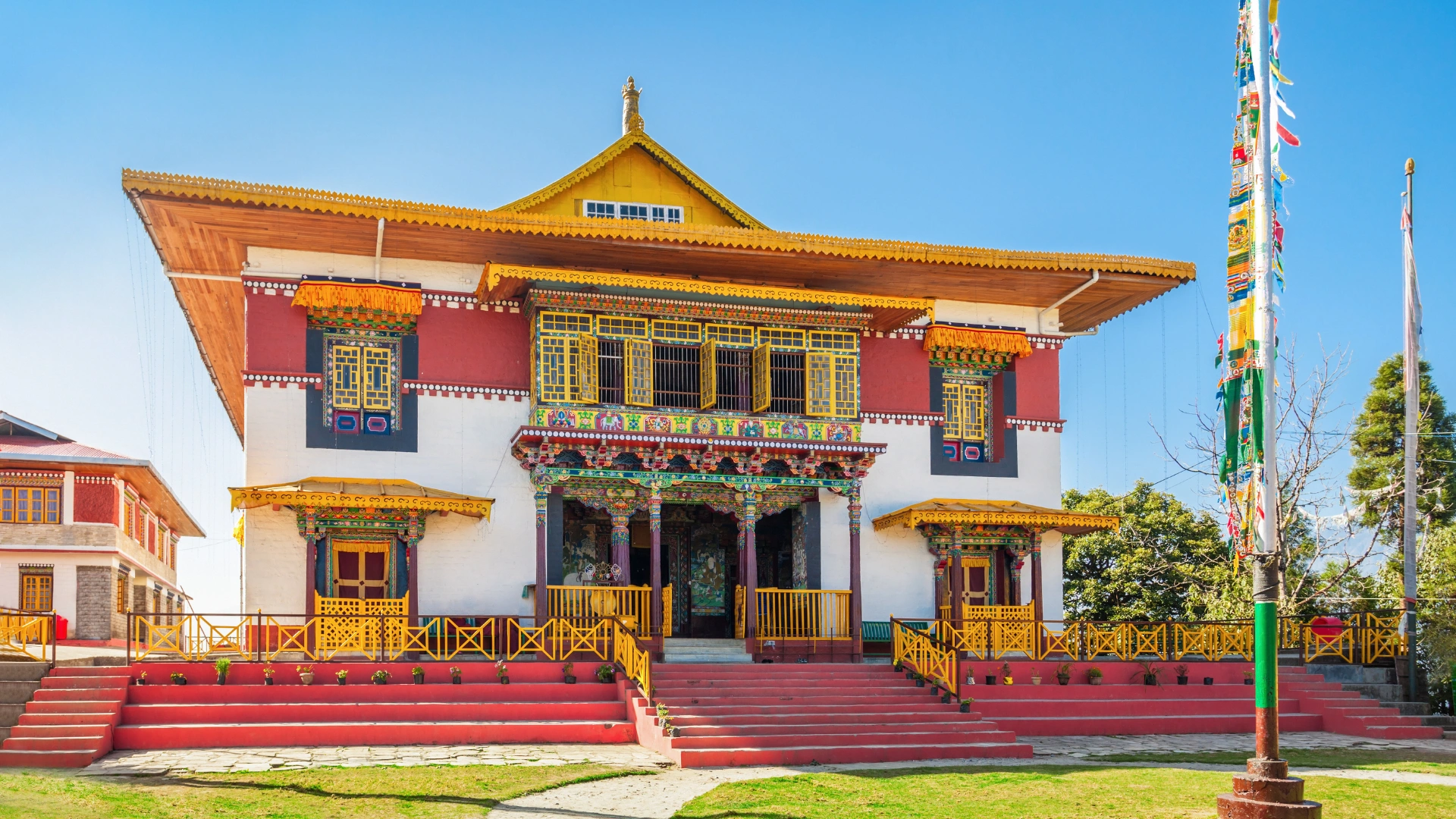
Gangtok is steeped in Buddhist heritage and Himalayan tradition. The city's monasteries, prayer wheels, and stupas reflect its spiritual depth and cultural harmony. Attend morning prayers at Rumtek Monastery, the seat of the Karmapa Lama, or visit Lingdum Monastery for its stunning architecture and peaceful surroundings. The blend of Tibetan, Nepali, and Bhutia cultures gives Gangtok its unique character, evident in its festivals, art, and daily life. From masked Cham dances to colorful prayer flags fluttering in the wind, every corner tells a story of devotion and diversity.
Gangtok's culinary scene is a delightful mix of local and global flavors. Indulge in Sikkimese favorites like Thukpa, Momos, Phagshapa, and Kinema Curry, or enjoy Tibetan butter tea in a cozy café overlooking the hills. MG Marg offers a range of dining options — from rooftop cafés to fine-dine restaurants serving Indian, Asian, and Continental cuisine. Don't miss local delicacies like Sel Roti, Gundruk Soup, and homemade fruit wines that add a touch of the Himalayas to every meal.
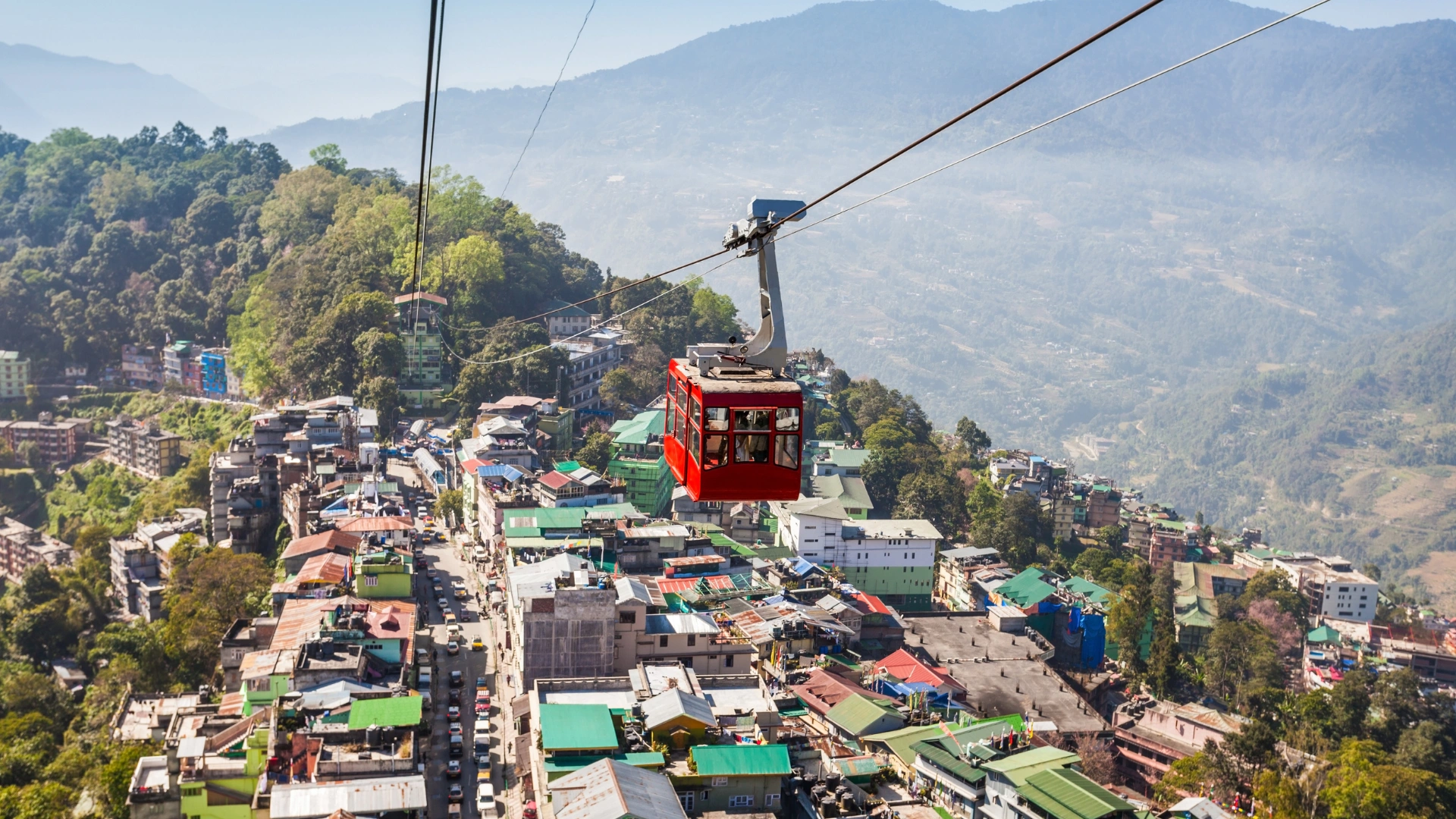
Start your day with panoramic views from Ganesh Tok or Hanuman Tok, both offering breathtaking vistas of the valley and peaks. Visit the Flower Exhibition Centre to see exotic orchids and rhododendrons, or take a short cable car ride for an aerial view of the city. For adventure lovers, Gangtok serves as a base for paragliding, river rafting on the Teesta, and treks to Tsomgo Lake and Nathula Pass. As evening falls, the city's cafés and night markets come alive, blending mountain calm with youthful energy.
Gangtok offers a wide range of accommodations — from luxury resorts with Himalayan views to boutique hotels and charming homestays that reflect local culture. Many properties feature balconies overlooking misty valleys and modern comforts paired with traditional décor. The Tour En Inde team curates stays that combine comfort, style, and cultural authenticity, ensuring travelers experience Gangtok's warm hospitality in the most scenic settings.
Gangtok is well connected by road from Siliguri and Darjeeling, with the nearest airport at Pakyong and the closest railway station at New Jalpaiguri. Within the city, taxis and guided tours make exploring easy and enjoyable. The Tour En Inde team arranges private transfers, sightseeing tours, and customized itineraries, ensuring a seamless and enriching experience in Sikkim's lively capital.
Speak to our specialists about including Gangtok in your itinerary.
Get A Quote Call +91 98710 96042Gangtok is reached via Pakyong Airport or New Jalpaiguri railway station, followed by a scenic road journey from Siliguri or Darjeeling.
Rumtek is the seat-in-exile of the Karmapa Lama, head of the Karma Kagyu school of Tibetan Buddhism, and one of the most significant Buddhist monasteries outside Tibet.
Yes, on clear days Tashi View Point and several hotels in Gangtok offer direct views of Mount Kanchenjunga, the world's third-highest peak.
Yes, both require an Inner Line Permit due to their proximity to the Indo-China border; Tour En Inde arranges these permits as part of your itinerary.
March to June and October to December offer the clearest mountain views and pleasant weather for sightseeing in Gangtok.