Ladakh Tour Itinerary: 15 Days Leh, Nubra & Pangong Guide
A good Ladakh tour itinerary runs 10 to 15 days: acclimatise in Leh, visit its monasteries, drive the Indus Valley, cross Khardung La to Nubra Valley and finish at Pangong Lake. The best time to go is June to September, and July brings mild days of roughly 20 to 25°C with the high passes generally open.
Ladakh tour itinerary at a glance
Why Ladakh is worth visiting
Ladakh is a high-altitude desert tucked between the Karakoram and the Great Himalaya, and it feels unlike anywhere else in India. Barren, colour-streaked mountains frame emerald barley fields, whitewashed villages and monasteries perched on rocky ridges, while the sky is startlingly clear and blue.
It is also a living centre of Tibetan Buddhism. Prayer flags snap in the wind, monks chant in dimly lit prayer halls and festivals fill courtyards with masked dances. A well-planned Ladakh tour itinerary balances this cultural depth with big landscapes, from the Indus Valley to the high passes, Nubra’s sand dunes and the shifting blues of Pangong Lake.
A short history of Ladakh
Ladakh sat on branches of the old Silk Route, linking Kashmir, Tibet and Central Asia, and traders, pilgrims and armies passed through for centuries. Buddhism arrived early and the region developed close ties with Tibetan monastic traditions. Leh grew into the capital of a Buddhist kingdom, and the Leh Palace above the old town recalls that royal past. In the 19th century the region came under the Dogra rulers of Jammu and Kashmir, and after 1947 it became part of India. In 2019 Ladakh became a separate Union Territory. Historical details vary by source, so local guides can add useful context on site.
Best time for a Ladakh tour: month by month
| Month | Approx. temperature | What to expect |
|---|---|---|
| June | 20–25°C day, 5–10°C night | Passes opening, clear skies, pleasant start of season |
| July – August | 20–25°C day, 5–10°C night | Peak season, green valleys, best road access; occasional rain or landslides |
| September | 15–22°C day, cooler nights | Golden light, fewer crowds, festivals in some monasteries |
| October – November | 5–20°C day, down to −5°C at night | Lean season, cold and dry, some camps close |
| December – March | −5–5°C day, −10°C or colder at night | Extreme cold, snow, many passes closed, flights still operate |
| April – May | 5–15°C day, −5–10°C night | Warming up, roads gradually reopen, still chilly at night |
Figures are approximate seasonal ranges and vary by altitude and year. Nights at Pangong Lake and in Nubra camps are noticeably colder than in Leh.
Weather and packing for July
July is one of the most comfortable months for a Ladakh tour. Days in Leh are typically 20 to 25°C, but the sun is intense at altitude and nights can fall to 5 to 10°C, and colder at Pangong. Pack layers: a warm fleece, a windproof jacket, thermals for lake camps, sturdy walking shoes, sunglasses, a wide-brimmed hat and high-SPF sunscreen. Carry a refillable bottle, lip balm, basic medicines and any prescription drugs. Ask us about an oxygen kit, which we can arrange on request. Rain is limited but can cause brief road delays, so keep a little flexibility in your plan.
A 15-day Ladakh tour itinerary
This route mirrors our Mystic Himalayas: The Wonders of Ladakh journey, which keeps early days gentle so your body can adjust.
- Days 1–2: Delhi to Leh: Spend a day in Delhi (Old Delhi, Qutub Minar, India Gate), then fly to Leh and rest. Visit nearby Sankar Monastery only once you feel comfortable.
- Days 3–4: Leh and its monasteries: Thiksey and Hemis monasteries, Shey Palace, then Spituk, Phyang and Stok Palace, all within easy reach of Leh.
- Days 5–7: Indus Valley and the Drokpa villages: Drive west along the Indus past Basgo, Likir and Alchi monasteries, visit Lamayuru, and continue towards Dha Hanu to meet the Drokpa community before returning to Leh.
- Days 8–10: Nubra Valley: Cross Khardung La into Nubra, stay in camp, visit Diskit and Samstanling monasteries, take an optional Bactrian camel ride and return via Shanti Stupa.
- Days 11–13: Pangong Lake: Cross Changla Pass, visit Thaktok Monastery and spend a full day by the lake, then return to Leh and browse the local market.
- Days 14–15: Delhi and departure: Fly back to Delhi, visit Lodi Garden and Akshardham, and transfer to the airport.
What to see and do in Ladakh
- Thiksey and Hemis monasteries: hillside monasteries with large Buddha statues, colourful murals and, in summer, lively festivals.
- Shanti Stupa and Leh Palace: easy viewpoints over the town, best at sunset.
- Khardung La and Nubra Valley: a high-pass crossing into a green valley of dunes, Diskit Monastery and double-humped Bactrian camels.
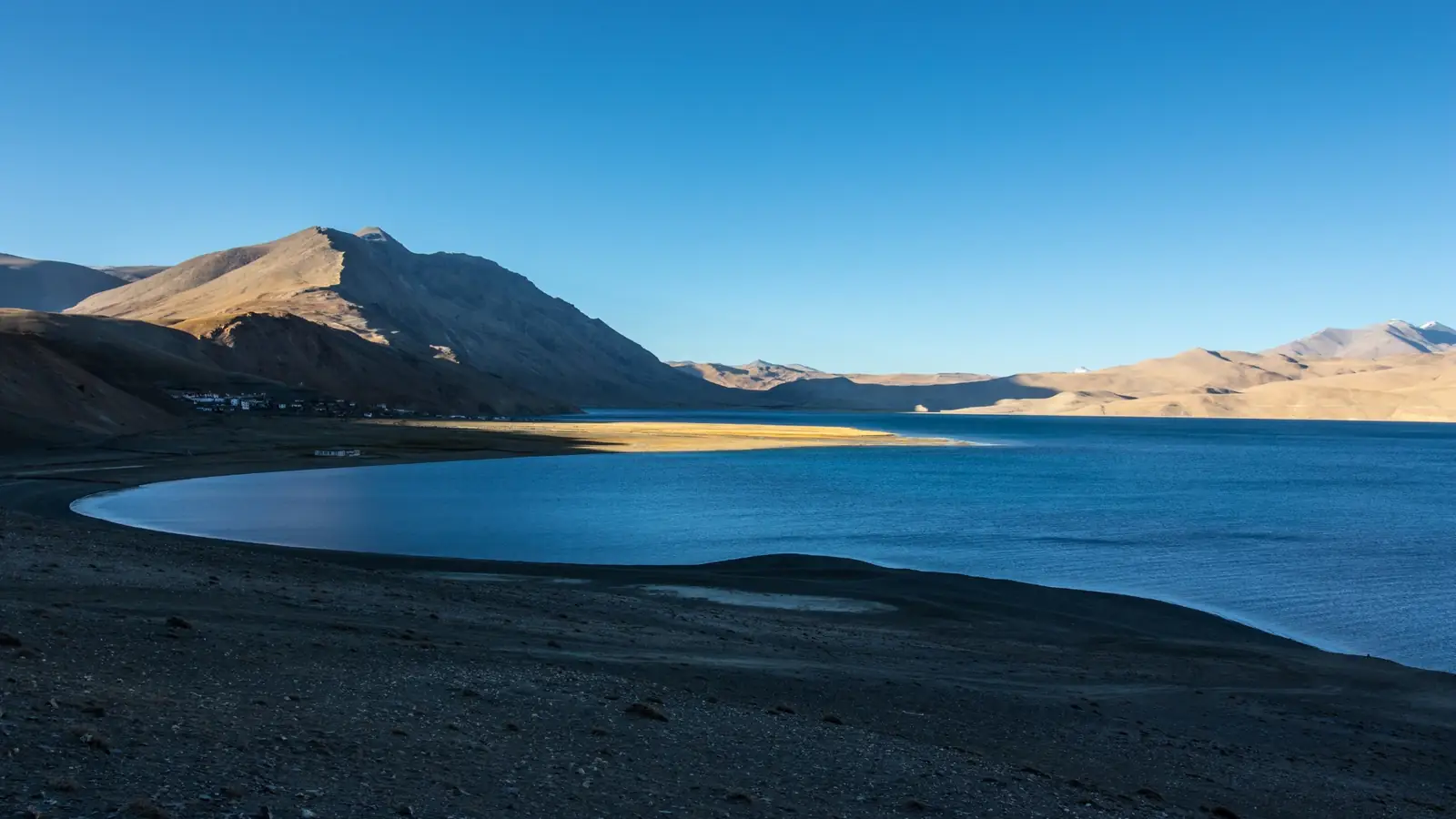
- Pangong Lake: a long high-altitude lake whose colours change from turquoise to deep blue through the day.
- Alchi and Lamayuru: among the oldest and most atmospheric monasteries in the region.
- Optional extras: a thangka workshop, a cooking demonstration, a monastery meditation session or a village homestay.
People, culture and food
Ladakhi people are warm, mostly Buddhist, with a significant Muslim community in places such as Leh and Kargil. Greet people with a smile and a friendly “Julley”, walk clockwise around stupas and prayer wheels, remove shoes before entering prayer halls and ask before photographing monks or villagers. Try momos, thukpa noodle soup, skyu pasta stew and butter tea, plus apricots in season. Dress modestly at monasteries and keep voices low.
How to reach Ladakh and plan with Tour En Inde
Most travellers fly from Delhi to Leh, and flights run year-round. In summer you can also arrive by road via the Manali-Leh highway, which generally opens in May or early June, or the Srinagar-Leh highway, which generally opens around April. Both are long, high-altitude drives, so allow time to acclimatise. Always confirm current road status and permit requirements before you travel.
Tour En Inde handles permits, vehicles, camps and monastery entries. Start with our Leh destination page, then explore the Mystic Himalayas Ladakh tour, pair it with the Himalayan Serenity journey, or read our Sonamarg and Srinagar pages for a Kashmir add-on.
Ladakh tour itinerary: FAQs
What is the best Ladakh tour itinerary?
A classic Ladakh tour itinerary covers Leh and its monasteries, a drive along the Indus to Lamayuru, the Nubra Valley across Khardung La and Pangong Lake across Changla Pass. Our 15-day journey adds Delhi at either end and builds in rest days for acclimatisation.
What is the best time for a Ladakh tour?
June to September is the main season, when the high passes are generally open and days are mild. July is a popular and reliable month. Winters are extremely cold and many roads and passes close.
How many days are enough for Ladakh?
Seven to ten days cover Leh, Nubra and Pangong at a comfortable pace. Fifteen days, as in our Mystic Himalayas journey, add the Indus Valley monasteries, the Drokpa villages near Dha Hanu and Delhi sightseeing.
How do I avoid altitude sickness in Ladakh?
Leh sits at about 3,500 m, so rest on arrival, drink plenty of water, avoid alcohol early on and climb gradually. Consult a doctor before travelling, and tell your guide at once if headaches or breathlessness persist.
Is Ladakh safe and open for tourists in July?
July is peak season and most routes are open, though weather and landslides can occasionally delay roads. Check current conditions and permit rules before you travel. We arrange the inner-line permits on our tours.
How do I reach Leh?
The easiest way is a direct flight to Leh Kushok Bakula Rimpochee Airport, usually from Delhi. In summer you can also drive the Manali-Leh or Srinagar-Leh highways, which are long, high-altitude journeys best done with a driver.
Plan your Ladakh tour
Tell us your dates, group size and interests and we will send a tailor-made itinerary within 24 hours.