Ajmer: Home of the Ajmer Sharif Sufi Shrine
Ajmer, Rajasthan’s spiritual heart, blends Mughal heritage, sacred shrines, and tranquil lakes into a soulful journey of faith and culture.
Plan your India journey
Free tailor-made quote within 24 hours. No obligation.
Ajmer, Rajasthan’s spiritual heart, blends Mughal heritage, sacred shrines, and tranquil lakes into a soulful journey of faith and culture.
Ajmer, nestled in the heart of Rajasthan, is a city where spirituality, history, and culture come together in perfect harmony. Surrounded by the rugged Aravalli Hills, it is best known for the revered Ajmer Sharif Dargah of Khwaja Moinuddin Chishti, which draws pilgrims from across the world. With its ancient monuments, serene lakes, and vibrant bazaars, Ajmer offers an authentic glimpse into Rajasthan’s spiritual and royal heritage.
Why Visit Ajmer
Ajmer Sharif Dargah is one of the most revered Sufi shrines on the subcontinent, drawing pilgrims of every faith to the tomb of Khwaja Moinuddin Chishti, whose teachings of universal love have shaped South Asian spirituality for over 800 years. The city was also once a Mughal stronghold — Emperor Akbar walked here on foot from Agra to pay homage, and the nearby Adhai Din Ka Jhonpra mosque remains one of the finest surviving examples of early Indo-Islamic architecture in India. Combined with its role as gateway to sacred Pushkar, Ajmer offers travelers a layered story of Rajput, Mughal, and Sufi India rarely found together in one compact city.
Exploring the Area
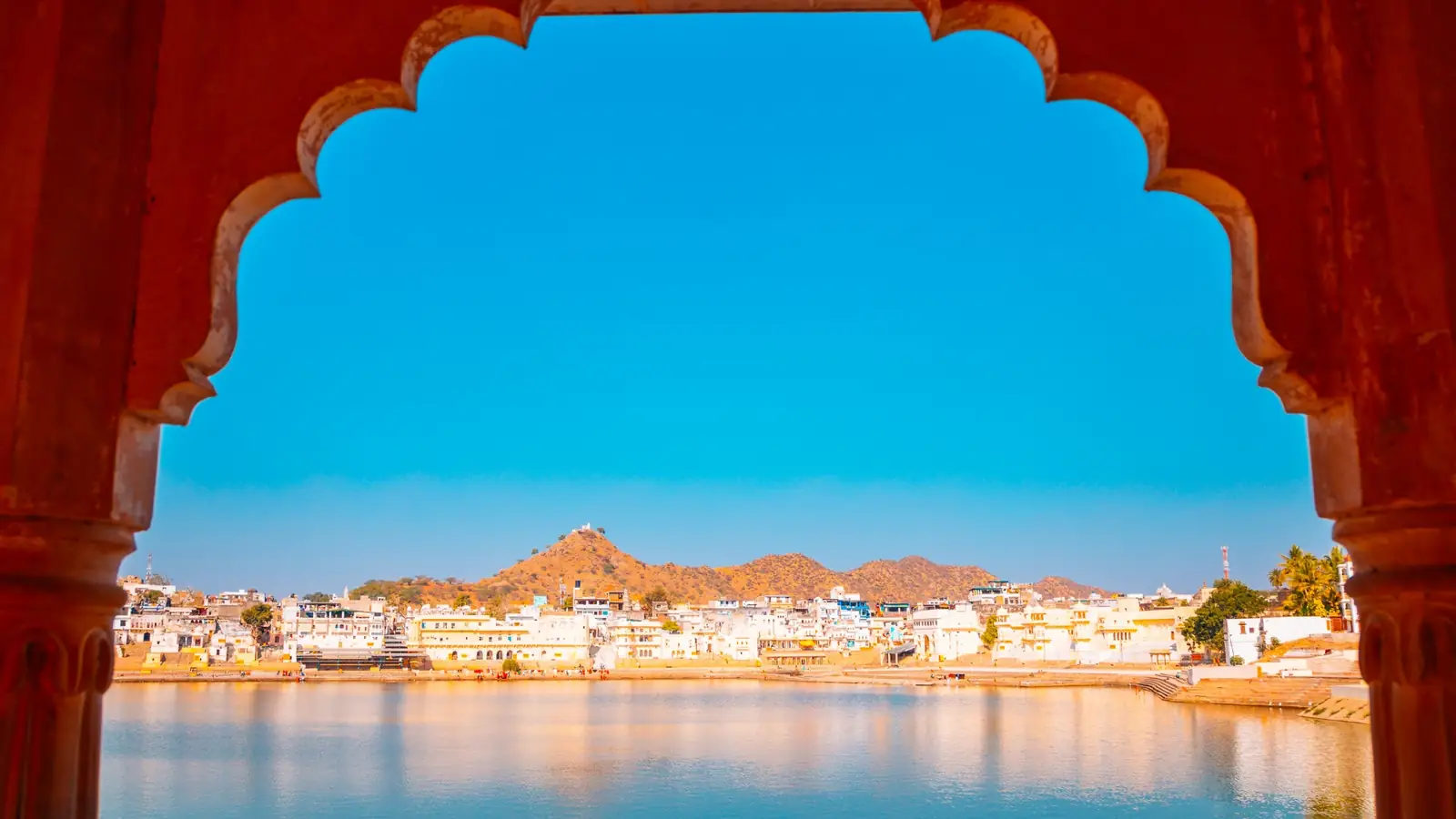
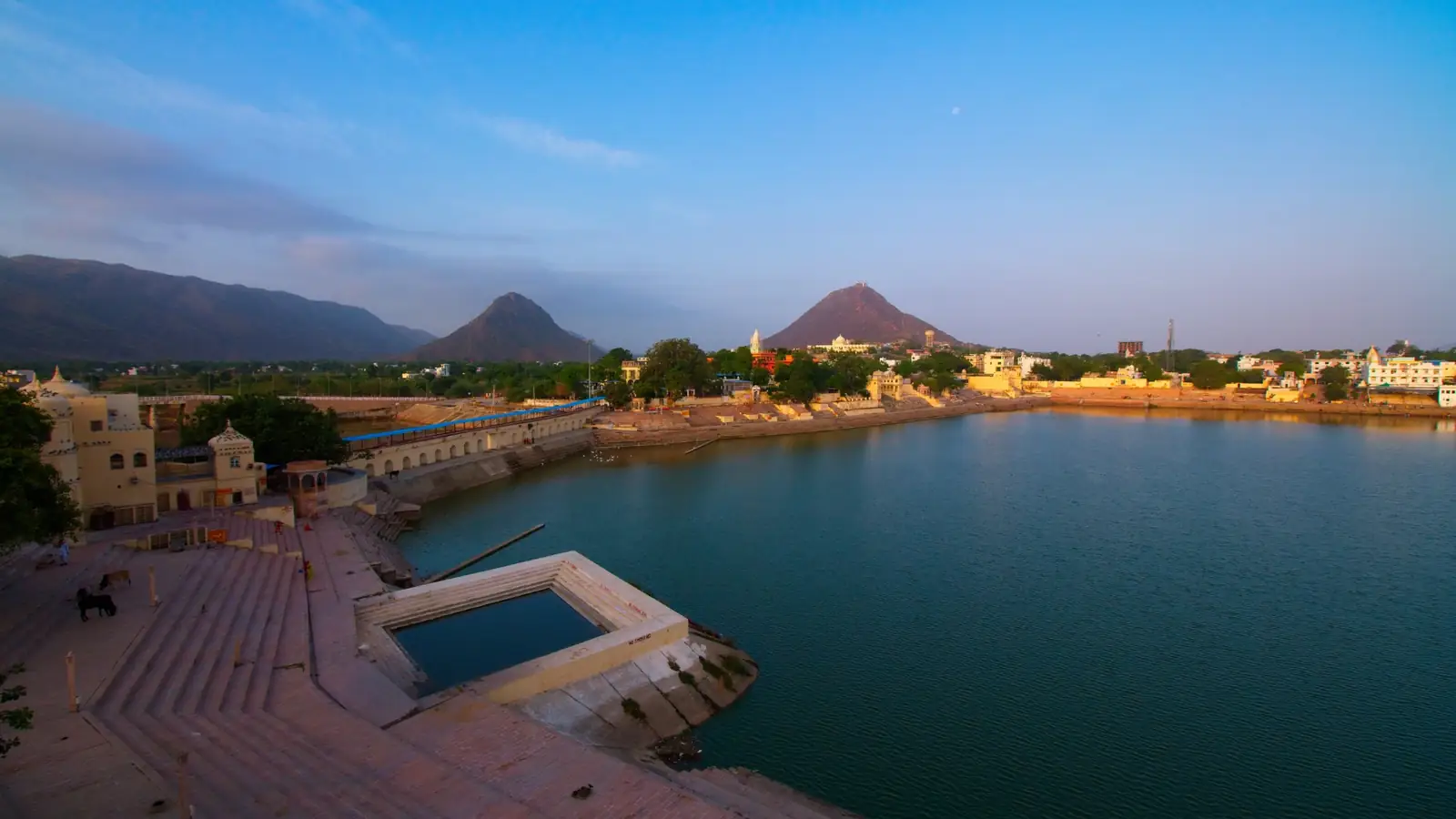
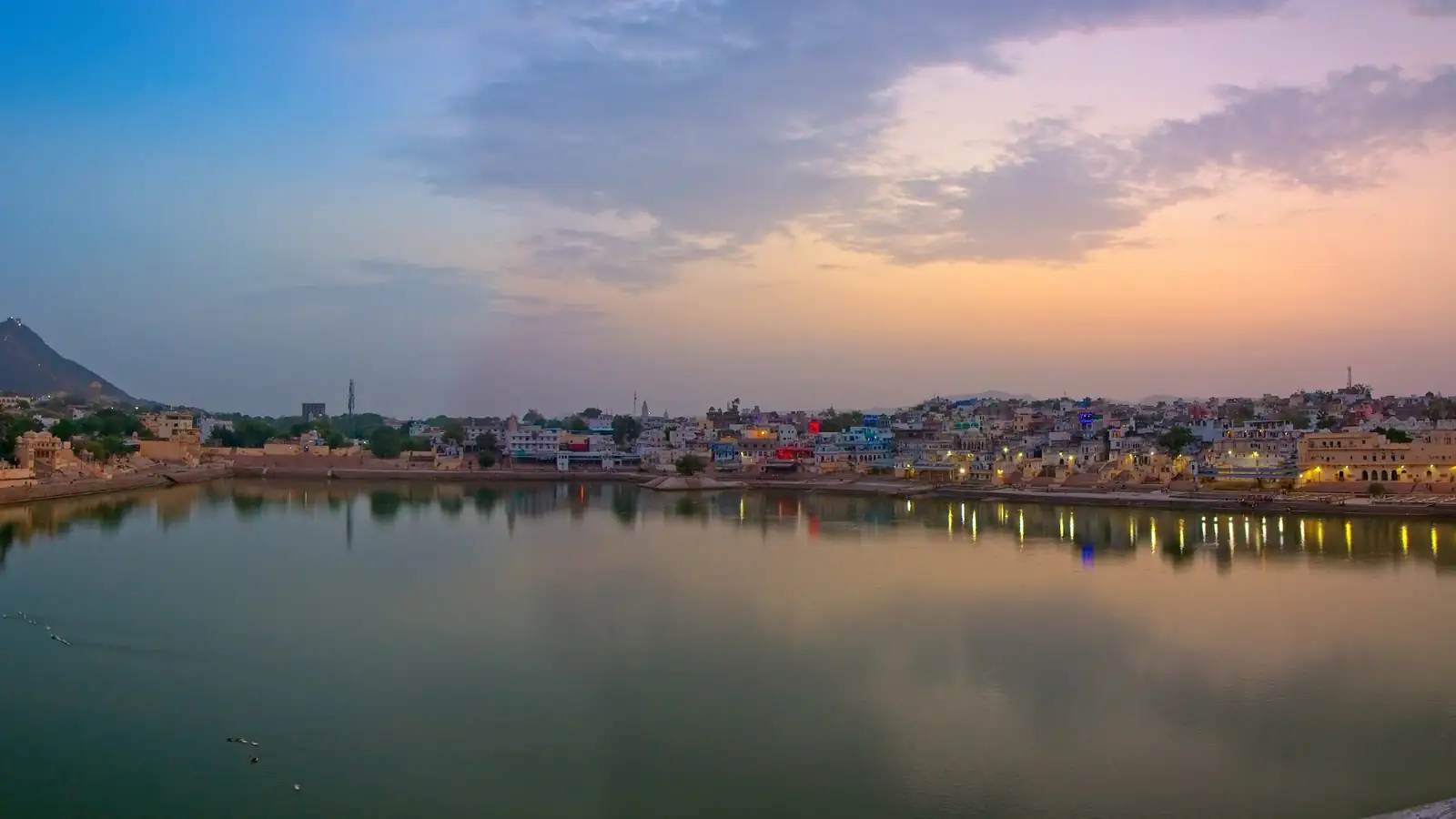
Ajmer is a city of contrasts—its sacred shrines, Mughal architecture, and Rajput grandeur coexist beautifully. The Ajmer Sharif Dargah, a magnificent marble mausoleum, stands as a beacon of faith and unity. The tranquil Ana Sagar Lake offers panoramic views of the city, while Daulat Bagh’s lush gardens and the Taragarh Fort showcase Ajmer’s royal legacy. Every corner of the city tells a story of devotion, resilience, and timeless beauty.
Spiritual and Cultural Adventures
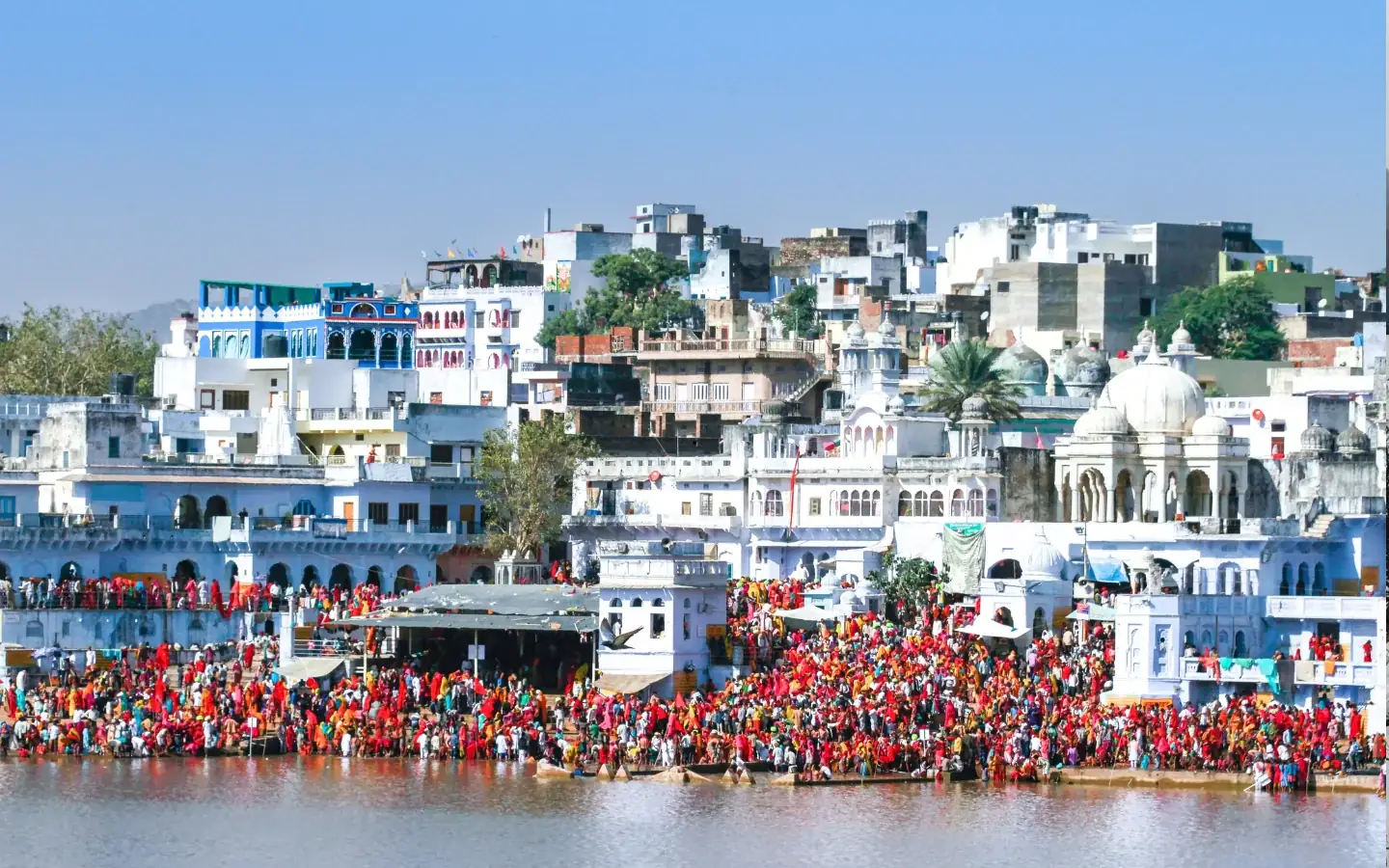
Ajmer invites travelers to experience its deep spiritual pulse. The Ajmer Sharif Dargah is the city’s soul, where devotees of all faiths gather to offer prayers and seek blessings. Visit the Adhai Din Ka Jhonpra, an architectural marvel blending Indo-Islamic styles, or explore Akbari Fort and Museum for a glimpse into Mughal history. The city’s narrow lanes filled with devotional music, incense, and vibrant shops create a spiritual and cultural mosaic unique to Rajasthan.
Eating and Drinking
Ajmer’s cuisine is a flavorful mix of Mughlai, Rajasthani, and street food delights. Savor local favorites like Kebabs, Biryani, and Sohan Halwa, a sweet specialty of the city. Try traditional Rajasthani dishes such as Dal Baati Churma and Laal Maas, or enjoy chai and snacks at lively street stalls near the Dargah. The aroma of freshly cooked food and the warmth of local hospitality make dining in Ajmer both satisfying and soulful.
What to See and Do
Begin your day at the Ajmer Sharif Dargah to experience its spiritual energy, then take a serene walk around Ana Sagar Lake. Visit Taragarh Fort for panoramic views and explore the Akbari Fort and Museum for its royal artifacts. The Nasiyan Jain Temple, with its gold-plated interiors, is another architectural marvel. A short drive takes you to Pushkar, one of the holiest towns in India, adding a divine complement to your Ajmer journey.
Where to Stay
Ajmer offers a wide range of accommodations, from heritage havelis and boutique hotels to modern stays near the lake and Dargah. Many properties combine traditional Rajasthani architecture with modern comforts. The Tour En Inde team carefully selects stays that provide convenience, warmth, and cultural charm, ensuring your time in Ajmer is peaceful, authentic, and truly memorable.
How to Get Around
Ajmer is well connected by road and rail to major cities like Jaipur, Delhi, and Udaipur, with the nearest airport located in Kishangarh, just 30 kilometers away. Within the city, auto-rickshaws and taxis make travel easy, while walking through the narrow bazaar lanes offers an immersive local experience. The Tour En Inde team organizes guided visits, heritage walks, and private transfers, ensuring your exploration of Ajmer’s sacred and historical wonders is smooth and enriching.
Plan Your Ajmer Visit
Speak to our specialists about including Ajmer in your itinerary.
Get A Quote Call +91 98710 96042Related Tours
Ajmer: history, importance and planning your visit
History
Founded in the 7th century by the Chauhan ruler Ajayaraja, Ajmer became a centre of Sufism when Khwaja Moinuddin Chishti settled here in the 12th century.
Why travellers go
It is a living centre of faith, where rituals and daily life are still intertwined, and respectful visitors are welcome to observe.
Best time to visit
October to March.
Getting there
Ajmer is connected by rail to Delhi and Jaipur (Shatabdi Express to Ajmer in about 2.5 hours from Jaipur is common); the nearest airport is Jaipur, about 135 km away.
| Location | Rajasthan, India |
|---|---|
| Best time to visit | October to March |
| Getting there | Ajmer is connected by rail to Delhi and Jaipur (Shatabdi Express to Ajmer in about 2.5 hours from Jaipur is common); the nearest airport is Jaipur, about 135 km away. |
| Known for | Temples, rituals and pilgrimage |
Local tip: Cover your head and remove shoes at the dargah; Thursday evenings feature qawwali.
For Buddhist and spiritual travellers: we can arrange quiet visiting times, a guide who explains the rituals and customs, and vegetarian meals. Visitors from Japan, Korea, China and Europe are welcome, and we advise on respectful dress and behaviour at each site.
More in Rajasthan
Ajmer is in Rajasthan. We design private, tailor-made journeys for solo travellers, couples, families, groups, corporate and MICE teams and destination weddings, with a local driver, an English-speaking guide and hand-picked hotels. Browse our tours or request a custom itinerary.
Prefer to talk it through?
Book a free video or phone call with an India specialist. We listen to your dates, interests and group, then sketch the right route.
Frequently Asked Questions
What is the Ajmer Sharif Dargah?
It is the tomb of Sufi saint Khwaja Moinuddin Chishti, revered by pilgrims of all faiths for over 800 years and one of South Asia’s most important Sufi shrines.
How far is Ajmer from Pushkar?
Pushkar is just 15 kilometers from Ajmer, making it easy to visit both towns together on the same day.
What is the nearest airport to Ajmer?
The nearest airport is Kishangarh, about 30 kilometers away, with additional connections available through Jaipur.
Is Ajmer only a religious destination?
No, alongside the Dargah, Ajmer offers Mughal-era architecture, Ana Sagar Lake, Taragarh Fort, and access to Pushkar’s sacred lake, making it a fuller cultural stop.
Do visitors of all faiths visit the Ajmer Dargah?
Yes, the Dargah is known for drawing devotees of every religion, reflecting the Sufi message of universal love taught by Khwaja Moinuddin Chishti.
What is the best time to visit Ajmer?
October to March. Cover your head and remove shoes at the dargah; Thursday evenings feature qawwali.
How do I get to Ajmer?
Ajmer is connected by rail to Delhi and Jaipur (Shatabdi Express to Ajmer in about 2.5 hours from Jaipur is common); the nearest airport is Jaipur, about 135 km away.
What is the history of Ajmer?
Founded in the 7th century by the Chauhan ruler Ajayaraja, Ajmer became a centre of Sufism when Khwaja Moinuddin Chishti settled here in the 12th century.
Why is Ajmer worth visiting?
The Ajmer Sharif dargah draws pilgrims of every faith and is among the most important Sufi shrines in South Asia; nearby Pushkar completes a unique inter-faith pilgrimage.