Pushkar Camel Fair: Dates, Best Time & Travel Guide
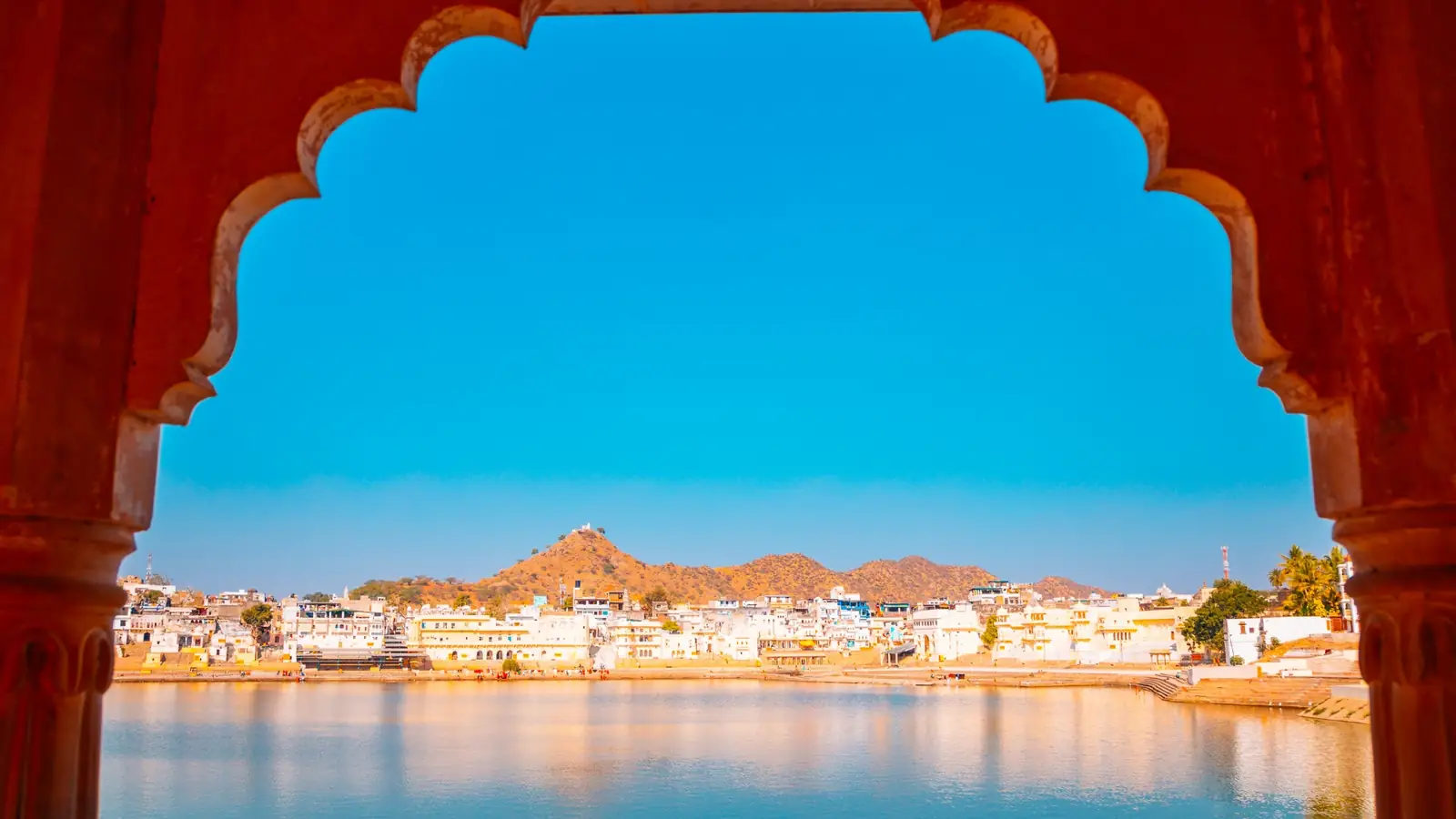
The Pushkar Camel Fair is Rajasthan’s great livestock market and pilgrimage, held beside the sacred Pushkar Lake each November. In 2026 it is expected to run from around November 17 to 25, peaking on Kartik Purnima, with warm days of about 22 to 28°C and cold nights.
Pushkar Camel Fair quick facts
Why the Pushkar Camel Fair belongs on your India itinerary
The Pushkar Camel Fair is one of the most photogenic gatherings in Asia. For about a week, herders, traders, pilgrims and travelers fill the sands beside a sacred lake, with thousands of camels and horses bought, sold, painted and paraded.
What makes it different from a festival staged for visitors is that it still works as a real market and a real pilgrimage. You can watch a negotiation over a camel in the morning, join the crowd at a folk music show in the afternoon and see the ghats glow with oil lamps at dusk.
It also fits neatly into a Rajasthan journey. Many guests combine it with Jaipur and the nearby shrine city of Ajmer, making it a vivid cultural highlight between palaces and forts.
History of Pushkar and its fair: lake, legend and livestock
Pushkar is among the oldest pilgrimage towns in India. According to Hindu legend, Lord Brahma let a lotus fall to earth and the lake appeared where it landed. The Brahma Temple beside it is one of the very few temples in the country dedicated to the creator god, and Pushkar is counted among the five sacred dhams of Hindu devotees.
Tradition says that on the night of Kartik Purnima, millions of gods and goddesses consecrated the waters. That is why pilgrims bathe in the lake at dawn on the full-moon day of the lunar month of Kartik.
The fair grew around that pilgrimage. Locals describe it as more than a century old, a time when villagers gathered for rituals, music and dance, and where trading in camels and cattle followed naturally. Today it is known as the Pushkar Fair, the Camel Fair or the Kartik Mela.
Best time to visit Pushkar: month by month
The famous fair takes place in November, but Pushkar is a pleasant town for much of the cool season. Temperatures below are approximate monthly averages for the Pushkar and Ajmer area.
| Month | Average temp. | What to expect |
|---|---|---|
| January | 15°C | Cool, clear days; quiet town |
| February | 18°C | Mild and pleasant for sightseeing |
| March | 24°C | Warming up; spring light |
| April | 29°C | Hot afternoons; fewer visitors |
| May–June | 33°C | Very hot; best avoided |
| July–September | 27–29°C | Monsoon showers; green hills |
| October | 26°C | Warm days, cooling evenings |
| November | 21°C | Fair season: sunny days, cold nights |
| December | 16°C | Cool and calm; bring layers |
Our advice: choose November if you want the full spectacle, or February to March if you prefer fewer crowds and mild weather with the same lake and temple atmosphere.
Pushkar weather in November: temperature and what to pack
November is the headline month for the Pushkar Camel Fair. Days are sunny and dry, usually around 22 to 28°C, while nights and early mornings can fall to about 8 to 14°C. That contrast catches many first-time visitors by surprise, especially at the dawn bath on Kartik Purnima.
Pack layers: light cotton for the day, a fleece or wool shawl for evenings, a scarf for dust, sunglasses, a hat and comfortable closed shoes, since the fairground is sandy. Bring modest clothing for the temples and cash for small stalls, as many fairground vendors do not take cards.
What to see and do at the Pushkar Camel Fair
The livestock market is the heart of the fair, with camels and horses traded in the days before the full moon. Alongside it you will find camel beauty contests, decorated-camel parades, moustache and turban competitions, tug-of-war matches, folk dances and puppet shows.
Some years also include sunrise hot-air balloon rides over the fairground, which are an optional extra at a premium price. Do not miss a stroll along the lake ghats at dusk, the Brahma Temple, the market lanes of Pushkar for silver jewellery and textiles, and the sunrise walk up to Savitri Temple for a view over the dunes and the lake.
Our guides take you to the quieter corners too: the camp where herders cook breakfast over open fires, or the edge of the arena where horses are shown to buyers.
People, culture and responsible travel
The fair brings together Rajasthani herders, pilgrims from across India, musicians, sadhus and travelers from around the world. The men wear bright turbans and the women dress in colourful skirts and jewellery, so the whole fairground feels like a moving painting.
Remember that this is a holy place and someone’s workplace. Ask before photographing people and animals, avoid drones without a permit, and eat in local vegetarian restaurants, since Pushkar does not allow meat or alcohol in town. Staying with a small family-run operator keeps your spending in the community.
How to reach Pushkar and plan with Tour En Inde
The easiest rail connection is Ajmer Junction, about 30 minutes by road from Pushkar, with direct trains from Delhi, Jaipur and other major cities. The nearest airport is Jaipur, around 140 km away, followed by a drive of roughly two and a half to three hours. Our private cars and drivers handle the transfers.
Rooms and tents in Pushkar sell out early for fair week, so we recommend booking months ahead. We usually add Pushkar to the Rajasthan Complete Tour or the Royal Heritage of Rajasthan journey, or include it as a cultural stop on the Golden Triangle.
Pushkar Camel Fair: frequently asked questions
When is the Pushkar Camel Fair in 2026?
The fair is expected to run from around November 17 to 25, 2026, peaking on Kartik Purnima, around November 23 to 24. Exact dates follow the Hindu lunar calendar and are confirmed by Rajasthan Tourism about two months ahead, so check before booking.
What is the best time to visit the Pushkar Camel Fair?
Arrive two or three days before Kartik Purnima. Livestock trading is busiest in the middle days, the contests fill the middle of the programme, and the holy bath at dawn on Kartik Purnima is the spiritual climax. Early arrival also means calmer streets and easier hotel choices.
How many days do I need for the Pushkar Camel Fair?
Plan at least three nights in Pushkar. A day trip from Jaipur misses the dawn and sunset moments that make the fair special, and traffic around the fairground can be slow.
What is the weather like during the fair?
Expect warm, dry days of roughly 22 to 28°C and cold nights and mornings of about 8 to 14°C. Rain is very unlikely, but you will want a fleece or shawl at dawn and after sunset.
Is the Pushkar Camel Fair suitable for families and first-time visitors?
Yes, with some planning. The atmosphere is friendly and colourful, but it is crowded and dusty. A private driver, a guide and a comfortable base outside the busiest lanes make it far easier for children, seniors and first-time visitors.
What should I know about etiquette in Pushkar?
Pushkar is a holy town: dress modestly with shoulders and knees covered, remove shoes at temples and ghats, and ask before photographing people or their camels. Meat and alcohol are not sold in the town, and photography is not allowed inside the Brahma Temple sanctum.
Plan your Pushkar Camel Fair trip with local experts
Tell us your dates and interests and we will build a private itinerary with the right hotel or camp, guide and transfers. Free quote within 24 hours, no obligation.