Goa: India’s Beach State of Portuguese Heritage
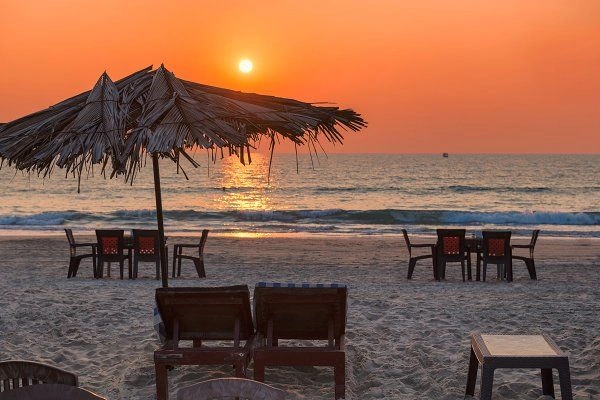
Goa, India’s coastal gem, enchants with golden beaches, vibrant culture, and a soulful rhythm that celebrates life by the sea.
Plan your India journey
Free tailor-made quote within 24 hours. No obligation.
Goa, India’s coastal gem, enchants with golden beaches, vibrant culture, and a soulful rhythm that celebrates life by the sea.
Goa, India’s sunshine state, is where golden beaches meet vibrant culture, colonial charm, and carefree spirit. Known for its sun, sand, and sea, Goa offers a unique blend of relaxation and adventure. With palm-fringed shores, Portuguese-inspired architecture, and lively markets, Goa is more than a destination — it’s a feeling of freedom, joy, and celebration. Whether you seek quiet coastal retreats or energetic nightlife, Goa’s rhythm captures every traveler’s heart.
Why Visit Goa
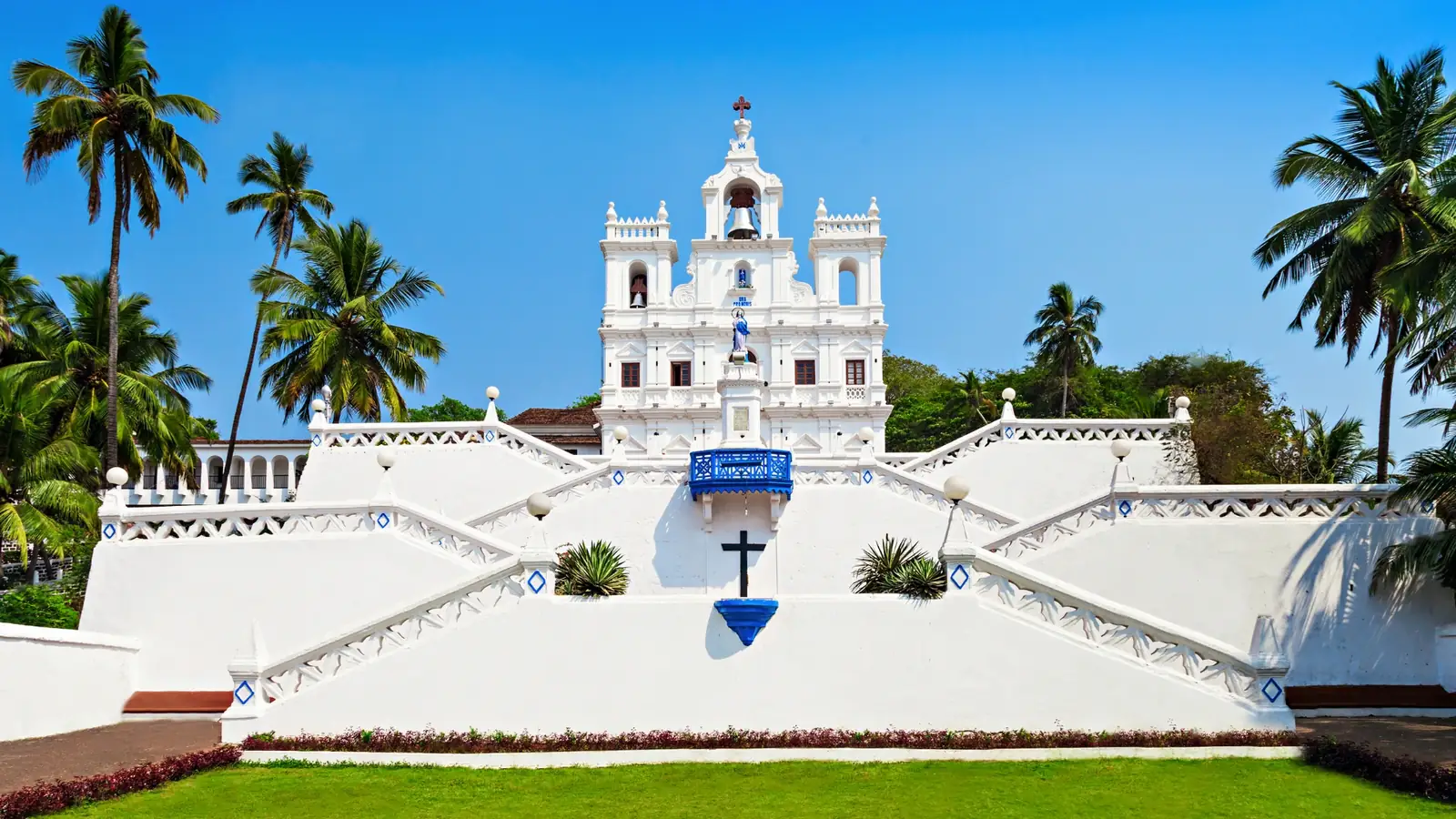
Goa’s identity was shaped by over 450 years of Portuguese colonial rule (1510–1961), the longest European colonial presence in South Asia, leaving behind a legacy of baroque churches, azulejo tiles, and a distinct Indo-Portuguese cuisine and dialect found nowhere else in India. The Basilica of Bom Jesus, a UNESCO World Heritage Site, holds the mortal remains of St. Francis Xavier, making Goa a major site of Christian pilgrimage in Asia. Long before European contact, Goa was a thriving hub of the Kadamba dynasty and later a key port for the Vijayanagara Empire’s spice trade. Beyond its beaches, Goa remains one of India’s most religiously diverse states, where temples, churches, and mosques stand side by side as testament to centuries of cultural exchange.
Exploring the Area
Goa’s landscape is a mix of serene beaches, lush hinterlands, and historic architecture. In North Goa, explore the bustling shores of Baga, Calangute, and Anjuna, famous for their beach shacks, water sports, and markets. In contrast, South Goa charms with its tranquil stretches like Palolem, Agonda, and Colva, perfect for peace seekers. Wander through Old Goa to marvel at its grand churches — including the Basilica of Bom Jesus and Sé Cathedral — reflecting the region’s rich Portuguese heritage.
Heritage and Cultural Adventures
Goa’s culture is a colorful fusion of Indian and Portuguese influences, seen in its festivals, food, and architecture. Stroll through Panjim’s Latin Quarter of Fontainhas, where colonial homes and winding lanes exude old-world charm. Visit ancient temples like Shri Mangeshi and Mahalasa Narayani, or attend vibrant local feasts and carnivals that showcase Goa’s lively traditions. For art lovers, the state’s galleries and handicraft boutiques celebrate Goan creativity and craftsmanship.
Eating and Drinking
Goan cuisine is a delicious blend of spice, flavor, and coastal freshness. Savor signature dishes like Goan Fish Curry, Prawn Balchão, and Xacuti, paired with steamed rice or freshly baked pao bread. Beach shacks serve grilled seafood and tropical cocktails with ocean views, while local cafés offer feni — Goa’s traditional cashew liquor. Don’t miss desserts like Bebinca and Dodol, sweet reminders of the region’s Portuguese legacy and culinary artistry.
What to See and Do
Start your journey with a sunrise walk along the beach or a dolphin-watching cruise on the Arabian Sea. Visit Fort Aguada for panoramic coastal views or Chapora Fort for cinematic sunsets. Explore spice plantations, enjoy river cruises on the Mandovi, or shop at Anjuna Flea Market for handmade treasures. Adventure lovers can try parasailing, scuba diving, or jet skiing. As night falls, Goa comes alive with beach parties, live music, and bonfire gatherings under the stars.
Where to Stay
Goa offers accommodations for every mood — from luxury beachfront resorts and heritage villas to bohemian boutique stays. North Goa’s hotels keep you close to nightlife and beaches, while South Goa’s resorts offer serene oceanfront escapes. The Tour En Inde team handpicks stays that blend comfort, charm, and coastal elegance, ensuring a perfect balance of relaxation and adventure during your Goan getaway.
How to Get Around
Goa is well connected by air, rail, and road to major Indian cities. Within the state, scooters, bikes, and taxis are the most popular ways to explore. Cycling through villages or taking a ferry across its rivers offers glimpses of local life. The Tour En Inde team arranges private transfers, guided tours, and customized itineraries, ensuring your journey through Goa is effortless, exciting, and filled with sunshine.
Plan Your Goa Visit
Speak to our specialists about including Goa in your itinerary.
Get A Quote Call +91 88264 68809Related Tours
Goa: history, importance and planning your visit
History
Goa was ruled by the Portuguese from 1510 until 1961. Its UNESCO-listed churches and convents in Old Goa, including the Basilica of Bom Jesus (with the relics of St Francis Xavier), reflect that heritage.
Why travellers go
It adds a relaxed coastal rest to a cultural itinerary.
Best time to visit
November to February.
Getting there
Goa's Dabolim and Manohar International (Mopa) airports connect to Delhi, Mumbai and Bengaluru; Madgaon and Thivim are the main railway stations.
| Location | Goa, India |
|---|---|
| Best time to visit | November to February |
| Getting there | Goa's Dabolim and Manohar International (Mopa) airports connect to Delhi, Mumbai and Bengaluru; Madgaon and Thivim are the main railway stations. |
| Known for | Beaches and coastal rest |
Local tip: North Goa is livelier; South Goa is quieter and ideal for a restful ending to a trip.
Tours that include Goa
Goa is in Goa. We design private, tailor-made journeys for solo travellers, couples, families, groups, corporate and MICE teams and destination weddings, with a local driver, an English-speaking guide and hand-picked hotels. Browse our tours or request a custom itinerary.
Prefer to talk it through?
Book a free video or phone call with an India specialist. We listen to your dates, interests and group, then sketch the right route.
Frequently Asked Questions
What is the difference between North Goa and South Goa?
North Goa (Baga, Calangute, Anjuna) is known for nightlife, markets, and water sports, while South Goa (Palolem, Agonda, Colva) offers quieter, more secluded beaches.
What is the best time to visit Goa?
November to February offers the most pleasant weather for beaches and sightseeing, while the monsoon (June-September) brings lush landscapes but heavy rain.
Why is the Basilica of Bom Jesus significant?
It is a UNESCO World Heritage Site holding the mortal remains of St. Francis Xavier, making it one of Asia’s most important Christian pilgrimage sites.
How many days are ideal for a Goa trip?
4-5 days allow time to enjoy both beaches and heritage sites, such as Old Goa’s churches and a spice plantation tour, without feeling rushed.
Is Goa suitable for families as well as couples?
Yes, Goa offers calm family beaches in the south, adventure and nightlife in the north, and heritage sightseeing for all ages in between.
What is the best time to visit Goa?
November to February. North Goa is livelier; South Goa is quieter and ideal for a restful ending to a trip.
How do I get to Goa?
Goa's Dabolim and Manohar International (Mopa) airports connect to Delhi, Mumbai and Bengaluru; Madgaon and Thivim are the main railway stations.
What is the history of Goa?
Goa was ruled by the Portuguese from 1510 until 1961. Its UNESCO-listed churches and convents in Old Goa, including the Basilica of Bom Jesus (with the relics of St Francis Xavier), reflect that heritage.
Why is Goa worth visiting?
Beyond beaches, Goa offers Indo-Portuguese architecture, spice plantations, Fontainhas' Latin quarter and a relaxed coastal pace after a heritage tour.